2026 Nissan Rogue vs Lexus RX 350: 5 Key Differences Revealed
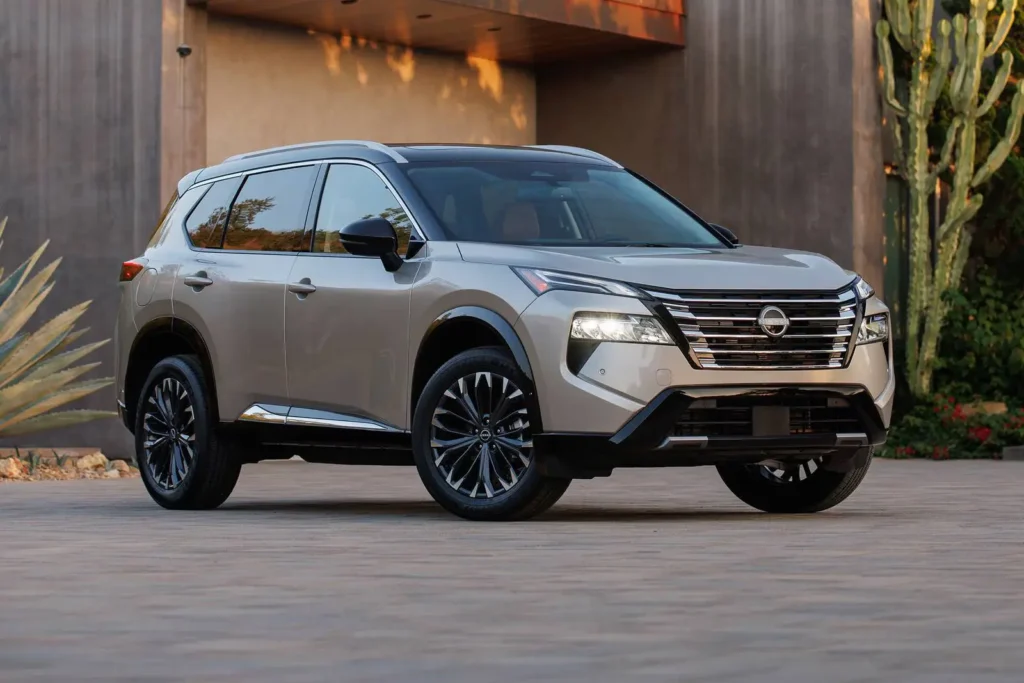
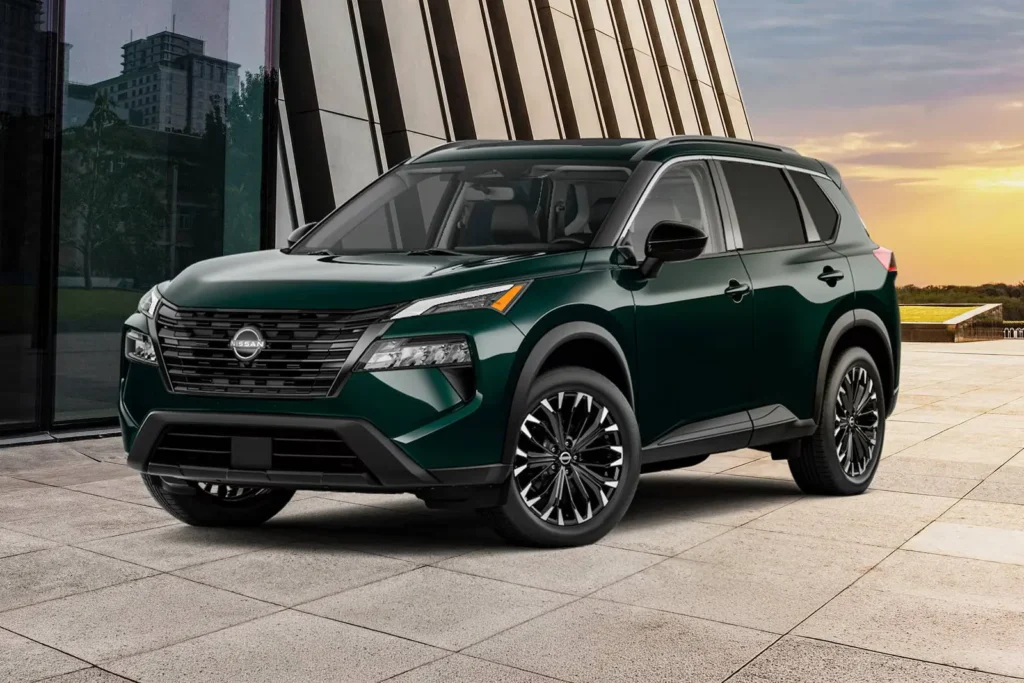
The 2026 Nissan Rogue and the 2026 Lexus RX 350 sit at opposite ends of the crossover SUV pricing spectrum, yet they compete for the same essential buyer: the commuter-focused, family-oriented driver who wants a comfortable, reliable, and technologically capable vehicle for daily use and weekend trips. The 2026 Nissan Rogue approaches that brief from a position of extraordinary value, fuel efficiency, and innovative engineering that belies its accessible price point. The 2026 Lexus RX 350 approaches the same brief from a position of quiet luxury, proven long-term reliability, and a cabin refinement that few vehicles at any price can replicate.
This is not a review that will declare a clear overall winner, because these two vehicles are genuinely designed for buyers with different priorities and different budgets. What this review will do is give every serious buyer a precise, honest, and thoroughly researched understanding of what each vehicle delivers, where each vehicle asks for compromise, and how to determine which one belongs in your driveway. Both the 2026 Nissan Rogue and the 2026 Lexus RX 350 deserve that level of analytical respect — and both have earned it.
Side-by-Side Specifications at a Glance
Before the deep analysis, the core numbers establish the context for everything that follows.
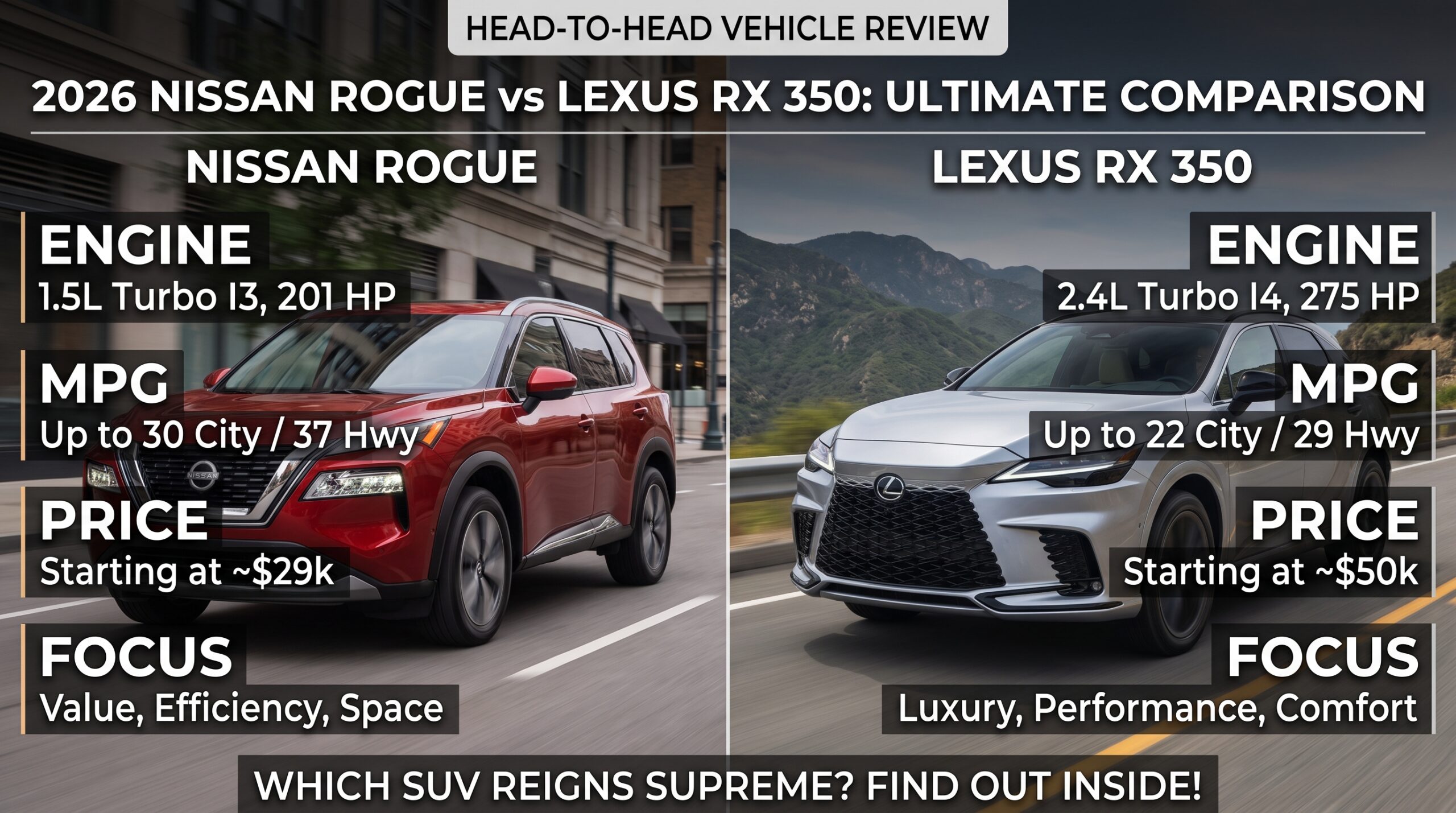
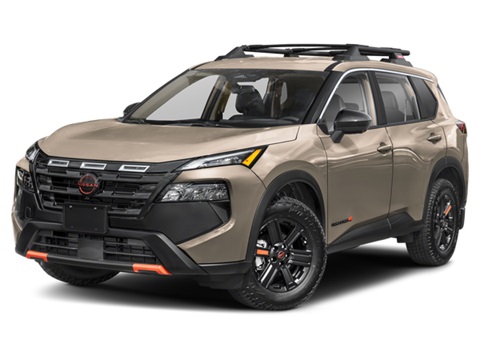
2026 Nissan Rogue Starting MSRP: $28,800 to $39,000 Engine: 1.5-liter VC-Turbo 3-Cylinder Horsepower: 201 hp / 225 lb-ft torque Transmission: Xtronic CVT Fuel Economy: 30 City / 37 Highway (FWD) Seating: 5 passengers Towing Capacity: 1,500 lbs
2026 Lexus RX 350 Starting MSRP: $50,500 to $66,000 Engine: 2.4-liter Turbo 4-Cylinder / 2.5-liter Hybrid (RX 350h) Horsepower: 275 hp (Gas) / 246 hp (Hybrid) Drivetrain: FWD / Available Direct4 AWD Fuel Economy: 22 City / 29 Highway (Gas) | 37 City / 34 Highway (Hybrid) Seating: 5 passengers
The price gap between these two vehicles — $28,800 at the Rogue’s entry point versus $50,500 at the RX 350’s starting MSRP — is the foundational fact of this comparison. Everything else in this review must be understood through that lens.
The 2026 Nissan Rogue: Built for the Intelligent Daily Commuter
Variable Compression Technology: Engineering That Earns Its Premium
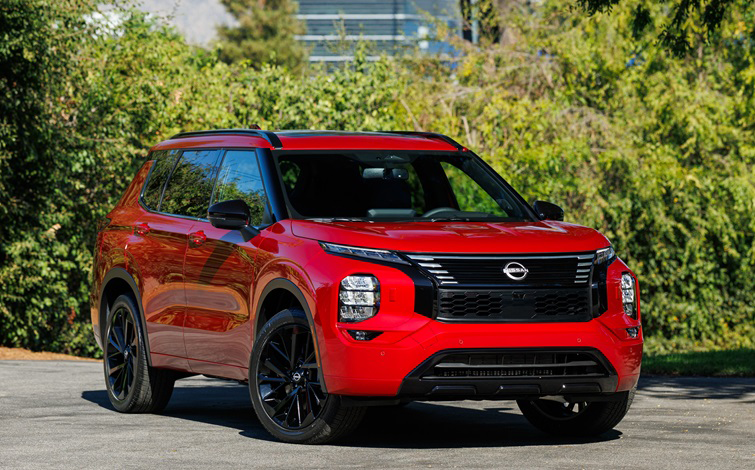
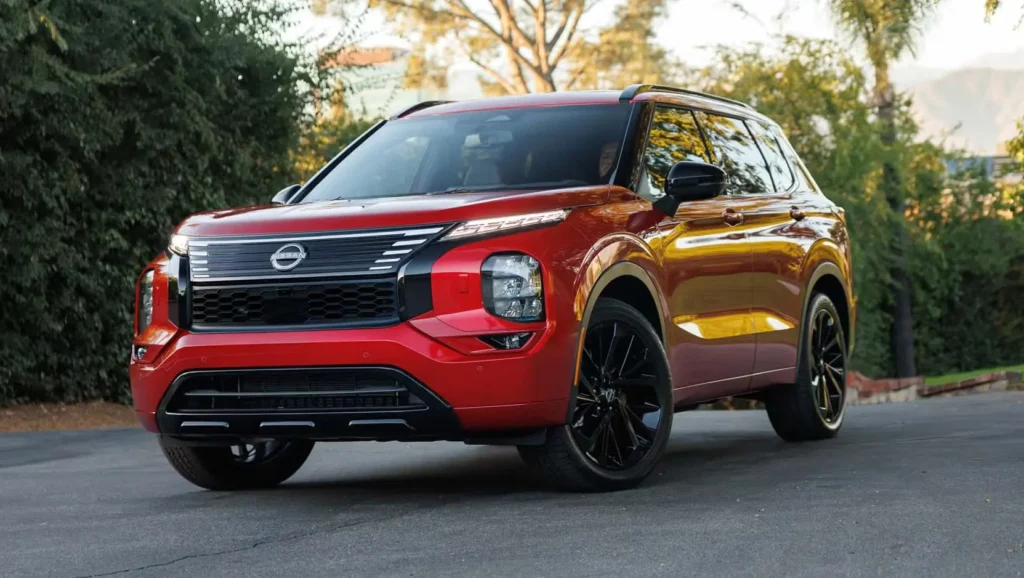
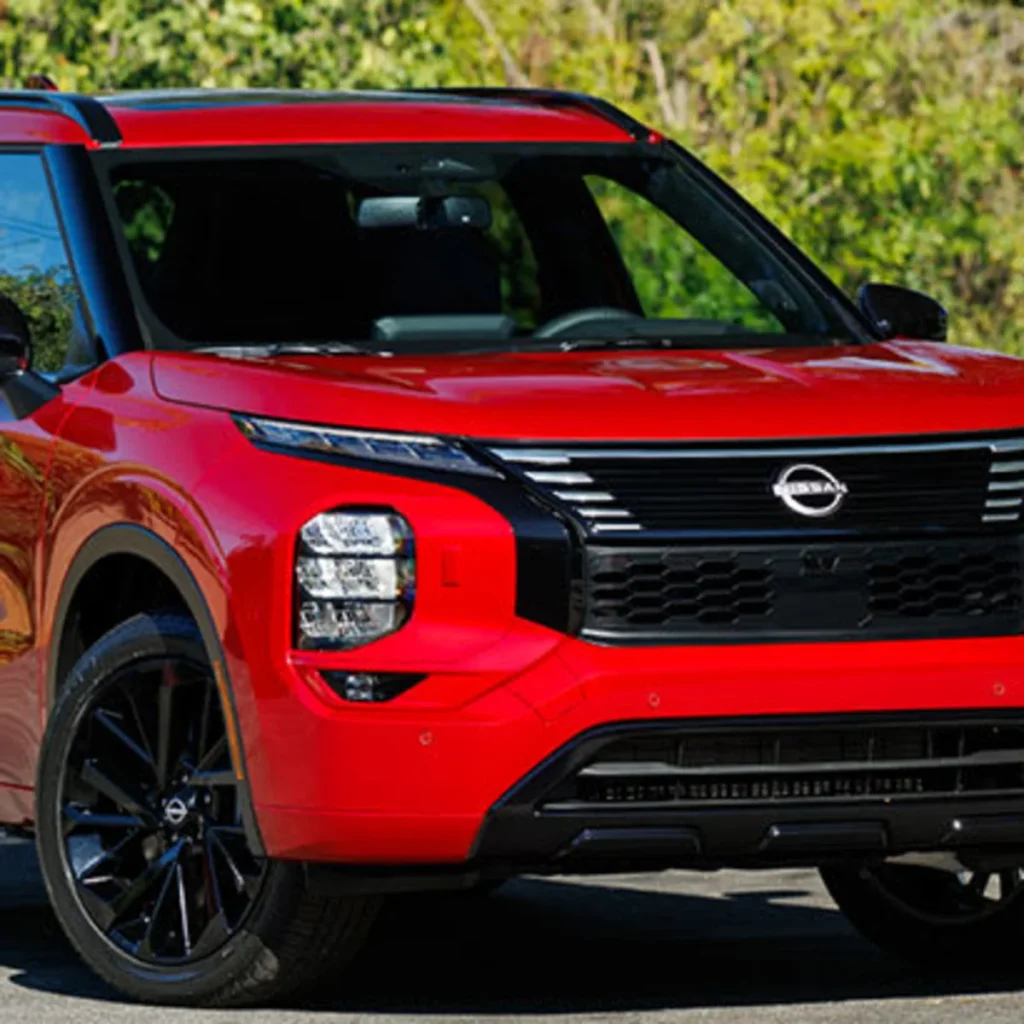
The most technically ambitious feature in the 2026 Nissan Rogue is one that most buyers will never see but will benefit from every single day: the VC-Turbo variable compression engine. This 1.5-liter three-cylinder unit does something that no conventional engine can do — it continuously and dynamically adjusts its compression ratio while the engine is running, moving between a high-compression ratio for maximum fuel efficiency during steady highway cruising and a low-compression ratio for maximum power output during hard acceleration.
In practice, this means the 2026 Nissan Rogue can deliver 37 miles per gallon on the highway — a figure more commonly associated with hybrid vehicles — while still producing 201 horsepower and 225 lb-ft of torque on demand. The transition between efficiency mode and power mode is transparent and unnoticeable to the driver; the engine simply provides what the moment requires without asking the driver to make any conscious trade-off decisions.
This technology, developed by Nissan over decades of engineering investment, represents a genuine competitive advantage for the 2026 Nissan Rogue in the compact crossover segment. No direct competitor at a comparable price point offers equivalent variable compression capability, and the fuel economy rewards over a 150,000-mile ownership cycle are substantial.
Fuel Economy That Genuinely Changes the Ownership Math
The 2026 Nissan Rogue’s fuel economy figures — 30 miles per gallon in city driving and 37 miles per gallon on the highway with front-wheel drive — are exceptional for a non-hybrid compact crossover. To understand what those numbers mean in practice, consider a buyer who commutes 250 miles per week, averaging 35 miles per gallon in mixed driving. Over a single year, the 2026 Nissan Rogue consumes approximately 371 gallons of fuel. At $3.50 per gallon, that is $1,298.50 in annual fuel costs.
A comparable compact crossover averaging 28 miles per gallon under the same conditions consumes approximately 464 gallons annually — a difference of 93 gallons, or approximately $325 per year. Over a five-year ownership period, the 2026 Nissan Rogue’s fuel economy advantage compounds to over $1,600 in savings, a number that meaningfully offsets any trim-level pricing considerations. For buyers who commute long distances or drive frequently, this economic advantage is not trivial.
Zero Gravity Seating: The Feature That Changes Long-Distance Driving
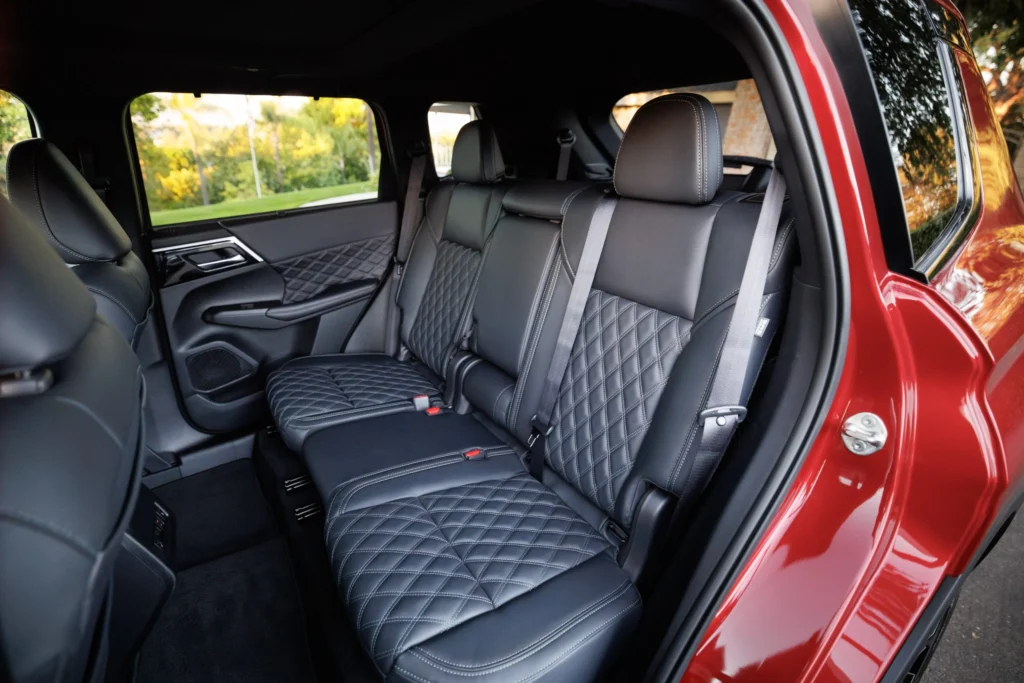
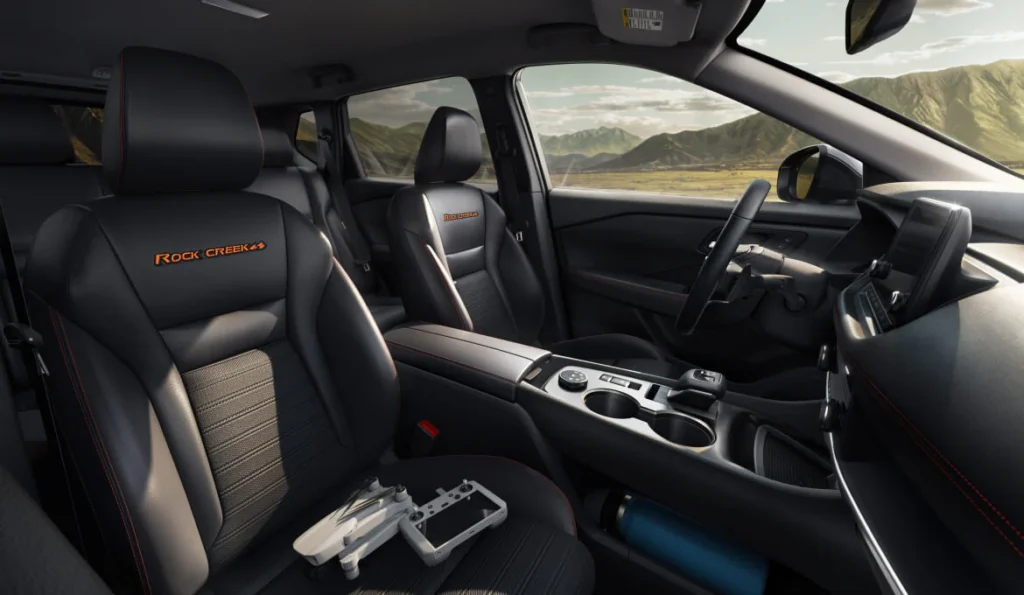
Nissan’s Zero Gravity front seats are perhaps the most underappreciated feature in the 2026 Nissan Rogue’s package. The seats are engineered using research into astronaut seating posture during spaceflight — a posture that distributes body weight evenly across the seated surface and reduces the muscular tension in the lower back, hips, and thighs that accumulates during extended sitting. In a standard car seat, the body fights gravity continuously, generating fatigue. Zero Gravity seats work with the body’s natural posture rather than against it.
For the commuter who spends 45 to 90 minutes behind the wheel each day, five days per week, the cumulative fatigue reduction delivered by Zero Gravity seats is meaningful. Multiple long-term Rogue owners report that arrival at the end of a long commute in a Zero Gravity-equipped Rogue feels measurably less draining than the same commute in a conventionally seated competitor. This is not marketing language — it reflects genuine biomechanical engineering applied to a problem that affects millions of drivers daily.
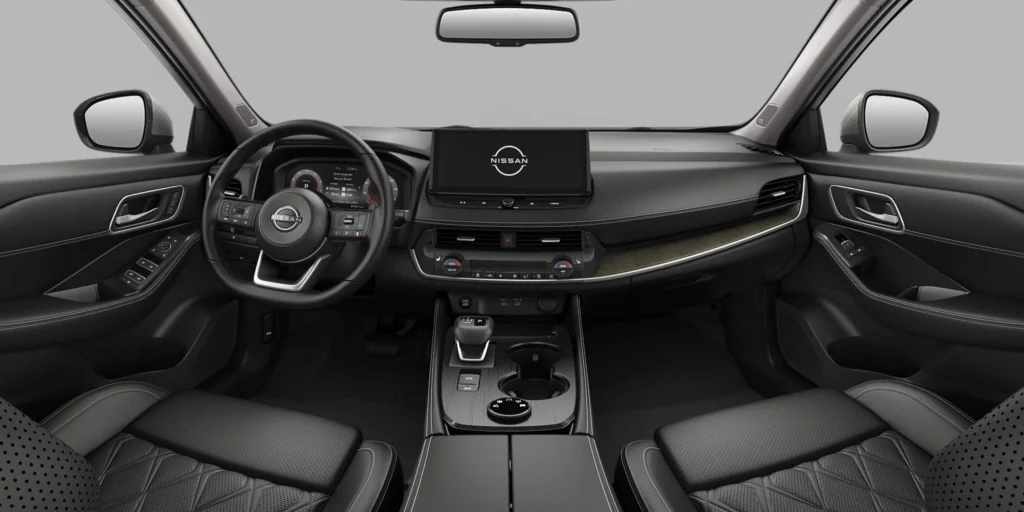
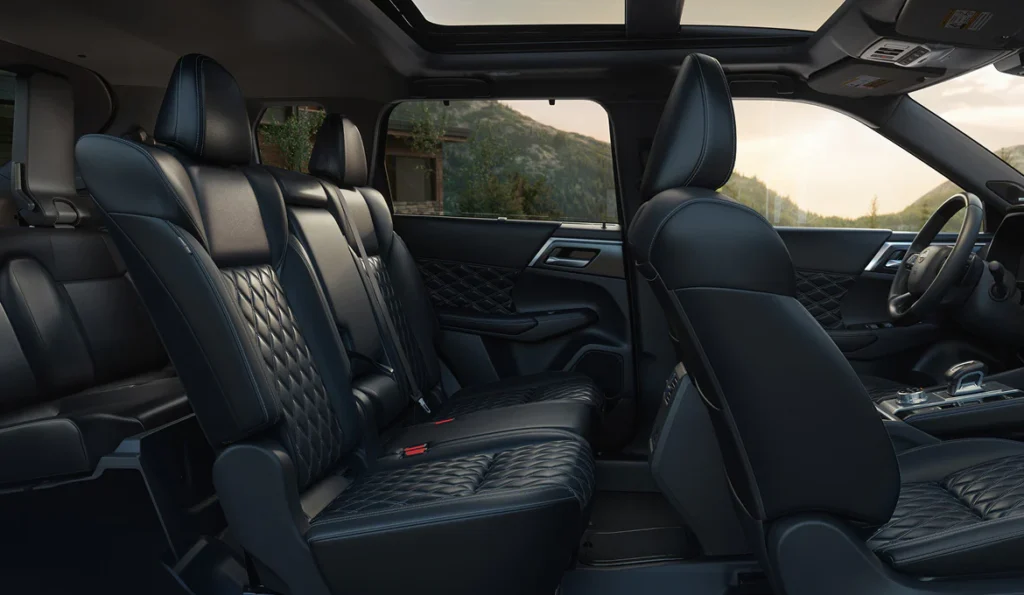
The 12.3-Inch Google Built-In Infotainment System
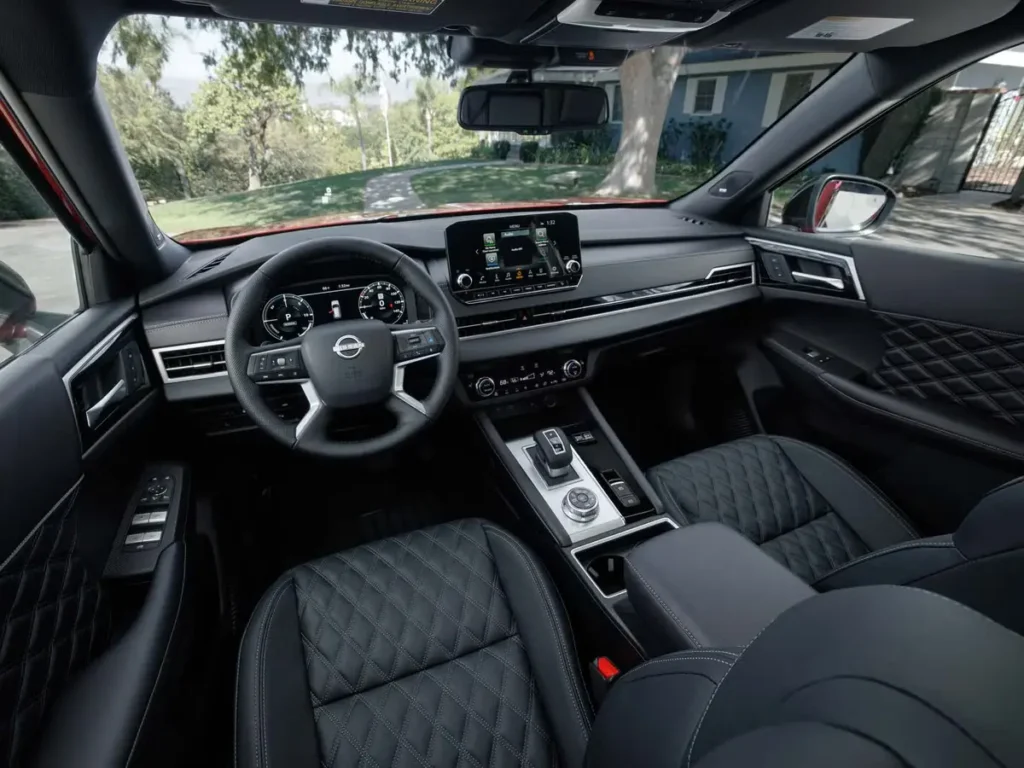
On SL and Platinum trims, the 2026 Nissan Rogue integrates Google Built-in directly into its 12.3-inch infotainment screen. This is a fundamentally different approach to vehicle technology than conventional Apple CarPlay or Android Auto integration. Rather than mirroring a smartphone’s interface onto the vehicle screen, Google Built-in embeds Google Maps, Google Assistant, and the Google Play Store directly into the vehicle’s operating system, allowing these services to function independently of a connected phone.
This means that Google Maps receives real-time traffic updates through the vehicle’s own data connection, not the phone’s. Voice commands to Google Assistant work through the vehicle’s microphones without requiring a phone to be connected, charged, or even present in the vehicle. And apps downloaded through Google Play run natively on the vehicle hardware, not as phone mirrors.
For the daily commuter who relies on Google Maps navigation, this integration provides a cleaner, more reliable, and more consistently functional experience than even the best wireless Apple CarPlay implementation. The 12.3-inch screen is large enough to display mapping information clearly, and the system’s response time reflects the maturity of Google’s underlying platform.
Divide-N-Hide Cargo System: Practical Genius for Real-World Families
The 2026 Nissan Rogue’s Divide-N-Hide cargo management system might appear to be a minor convenience feature on a specification sheet, but in practice it represents a level of thoughtful cargo organization that most competitors — including those costing significantly more — have not matched. The system allows the cargo floor to be configured in multiple positions, creating either a flat load floor for maximum cargo volume or a divided configuration that provides a raised platform for protected storage underneath and a usable flat surface above.
For buyers who routinely carry a combination of items that should not mix — grocery bags and muddy outdoor gear, for instance, or camera equipment and sports equipment — the Divide-N-Hide system provides a practical organizational solution that would otherwise require purchasing aftermarket cargo organizers. It is the kind of feature that costs nothing to use, requires no explanation after the first engagement, and generates consistent appreciation throughout the ownership period.
The 2026 Nissan Rogue’s Honest Limitations
The 2026 Nissan Rogue’s three-cylinder engine, for all its engineering sophistication, does produce a characteristic vibration texture under hard acceleration loads that is audible and perceptible in a way that a four-cylinder or six-cylinder engine would not produce. Most buyers acclimate to this characteristic quickly, and it is entirely absent during normal commuting driving — the vast majority of use cases for this vehicle. But buyers who are particularly sensitive to NVH (noise, vibration, and harshness) characteristics should be aware of it before purchase.
The 2026 Nissan Rogue’s towing capacity of 1,500 pounds is genuinely modest. 2026 Nissan Rogue will handle a small utility trailer, a jet ski, or a lightweight pop-up camper, but buyers with meaningful towing requirements — boats, horse trailers, full-size travel trailers — should look at larger platforms. This is not a failure of the 2026 Nissan Rogue; it is an honest reflection of the engineering trade-offs that enable 37 miles per gallon at highway speeds.
The 2026 Lexus RX 350: When Ownership Quality Becomes the Product
Whisper-Quiet Cabin Refinement as a Core Design Priority
The 2026 Lexus RX 350 is engineered around a principle that Lexus engineers have pursued with extraordinary consistency since the brand’s founding: the elimination of intrusions into the driving experience. Road noise, wind noise, engine noise, and suspension harshness are all treated not as acceptable compromises but as engineering problems requiring solutions. The result is a cabin so effectively isolated from the outside world that highway driving in the RX 350 feels qualitatively different from the same trip in most competing vehicles, including luxury competitors at similar price points.
The 2026 Lexus RX 350 achieves this through a combination of acoustic glass, extensive sound-deadening insulation in the door cavities and floor, and an adaptive variable suspension that reads road surface inputs and adjusts damping rates continuously. The cumulative effect is a vehicle that makes long-distance highway driving feel like a significantly less effortful experience than it actually is — which is precisely what the luxury crossover buyer is paying for.
Semi-Aniline Leather and Interior Material Quality
Inside the 2026 Lexus RX 350, the material hierarchy reflects the vehicle’s price point with appropriate seriousness. Semi-aniline leather — a material grade rarely found outside vehicles costing considerably more — covers the seating surfaces on upper trim levels. Semi-aniline leather retains the natural grain and texture of the hide to a degree that fully corrected leather cannot, which gives RX 350 seats a tactile quality that is immediately recognizable to anyone who has experienced it.
The dashboard architecture in the 2026 Lexus RX 350 uses genuine soft-touch materials throughout the driver and passenger contact zones. Ambient lighting — available in multiple color configurations — transitions the interior’s character from businesslike daytime functionality to an evening atmosphere that feels more closely related to an upscale hotel lobby than a conventional vehicle cabin. The available 14-inch Lexus Interface display provides navigation, audio, and vehicle system control through an interface that responds to natural voice commands initiated with “Hey Lexus.”
The RX 350h Hybrid: Luxury Without Fuel Economy Sacrifice
The 2026 Lexus RX 350h hybrid variant deserves special attention because it resolves the standard gas-powered RX 350’s single most significant weakness. The non-hybrid RX 350 produces 275 horsepower and delivers 22 miles per gallon in city driving and 29 miles per gallon on the highway — respectable figures for a luxury crossover of its size, but not figures that will impress buyers cross-shopping against the 2026 Nissan Rogue’s 37-mile-per-gallon highway efficiency.
The RX 350h hybrid changes that calculus entirely. With 246 combined system horsepower and fuel economy ratings of 37 miles per gallon city and 34 miles per gallon highway, the hybrid variant delivers fuel efficiency that matches the Rogue’s best figures while surrounding the driver and passengers in a degree of interior refinement that no non-luxury competitor can approach. For buyers who want both luxury and efficiency — and who are willing to absorb the RX 350h’s premium over the standard gas model — this is a genuinely compelling package.
Reliability: The Lexus Ownership Proposition
No discussion of the 2026 Lexus RX 350 is complete without addressing the brand’s reliability reputation, because for a significant portion of RX buyers, that reputation is the primary purchase motivation. Lexus vehicles consistently rank at or near the top of Consumer Reports reliability surveys and J.D. Power ownership satisfaction studies, year after year, across multiple vehicle categories. The RX 350 specifically has accumulated a reliability history over multiple generations that gives buyers a level of confidence in long-term ownership costs that few luxury competitors can match.
This reliability advantage has concrete financial implications. Luxury vehicles from European manufacturers — which frequently compete with the RX 350 in terms of interior ambiance and driving dynamics — often carry significantly higher long-term maintenance and repair costs than Lexus products. The 2026 Lexus RX 350’s total cost of ownership, calculated over a seven to ten year period, frequently compares favorably to competitors with lower initial transaction prices but higher maintenance costs.
The RX 350’s Honest Trade-Offs
The 2026 Lexus RX 350’s touch-sensitive steering wheel controls require an adjustment period that some buyers never fully appreciate. Unlike physical buttons that provide tactile confirmation of activation, touch-sensitive controls demand a brief glance or deliberate attention to confirm that a command has registered — a behavior that is slightly at odds with the seamless, distraction-free driving experience that the rest of the vehicle is engineered to provide.
Cargo room in the 2026 Lexus RX 350 is adequate but not generous by the standards of the compact crossover segment. The sloping roofline that gives the RX 350 its distinctive silhouette extracts a price in maximum cargo volume, and buyers who routinely carry large or bulky items will find the Rogue’s cargo management system — including the Divide-N-Hide floor and its raw volume advantage — more practically useful.
The 5 Key Differences: A Structured Buyer’s Guide
Difference 1: Price and Value Equation The 2026 Nissan Rogue starts at $28,800. The 2026 Lexus RX 350 starts at $50,500. That $21,700 gap at the entry point represents the central strategic question of this comparison. Buyers who can deploy that difference as a down payment reduction, an investment, or a contribution to long-term financial stability will find the Rogue’s value story compelling. Buyers for whom the Lexus’s total ownership quality — refinement, reliability, resale value — justifies the premium will find the RX 350 worth every dollar of its cost.
Difference 2: Fuel Economy The FWD 2026 Nissan Rogue reaches 37 miles per gallon on the highway as a non-hybrid. The standard gas 2026 Lexus RX 350 manages 29 miles per gallon highway. The hybrid RX 350h closes that gap significantly, reaching 37 city miles per gallon — but at a price premium over the already-expensive standard gas model.
Difference 3: Interior Refinement The 2026 Lexus RX 350’s interior materials, NVH isolation, and cabin atmosphere represent a qualitatively different ownership experience than the 2026 Nissan Rogue’s interior, which is well-executed and above average for its segment but does not attempt to compete with a dedicated luxury vehicle.
Difference 4: Technology Philosophy The 2026 Nissan Rogue’s Google Built-in integration provides a tech-forward, smartphone-ecosystem-native experience. The 2026 Lexus RX 350’s “Hey Lexus” voice assistant system prioritizes native integration and luxury user experience over ecosystem breadth.
Difference 5: Long-Term Reliability Confidence. The 2026 Nissan Rogue and the 2026 Lexus RX 350 both vehicle are reliable. But the Lexus RX 350’s multigenerational reliability record provides a level of long-term ownership confidence that the Rogue, despite its solid reputation, does not yet match in industry survey results.
Protecting Your Investment: Essential for Both Vehicles
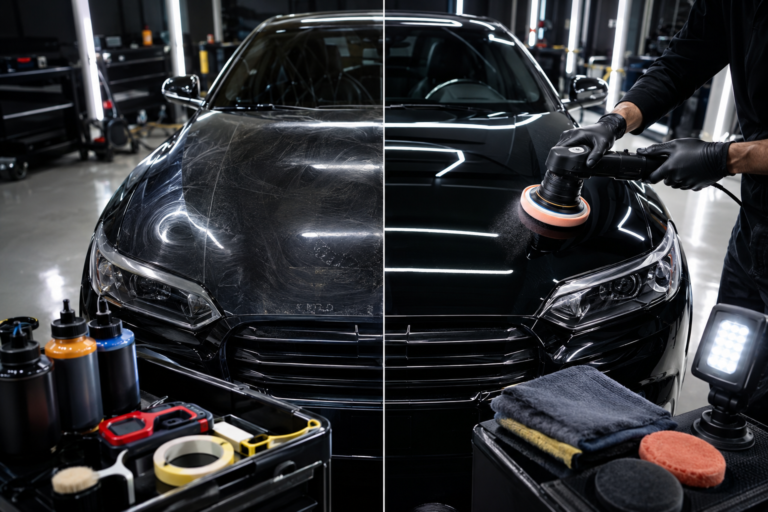
Whether you choose the 2026 Nissan Rogue or the 2026 Lexus RX 350, protecting the vehicle’s paint and interior from the cumulative damage of daily commuting is a decision that pays financial dividends throughout the ownership period. A daily driver accumulates road debris impact points, fine swirl marks from automatic car washes, UV-induced paint fade, and interior wear from regular use at a rate that occasional weekend vehicles do not.
Professional ceramic coating creates a semi-permanent hydrophobic barrier over the vehicle’s paint that significantly reduces the adhesion of road grime, brake dust, bird droppings, and tree sap — all of the contaminants that a commuter vehicle encounters at the highest rate. For a vehicle like the 2026 Lexus RX 350, whose resale value is a genuine ownership advantage worth protecting, maintaining the paint’s depth and gloss through professional ceramic coating is a particularly sound financial decision. For the RX 350’s semi-aniline leather, professional interior protection and leather seat care will preserve the material’s quality — and the vehicle’s resale story — far longer than home cleaning products can achieve.
Red’s Detail Co., Atlanta’s premier ceramic coating and paint protection film specialists, applies CQuartz Finest ceramic coatings that provide up to ten years of paint protection against environmental contaminants, UV degradation, and the micro-abrasion that dulls paint over time. For either of these vehicles — a Rogue that needs protection from years of daily commuting, or an RX 350 whose paint quality justifies serious long-term protection — professional ceramic coating is a straightforward investment.
Paint protection film offers an additional layer of physical protection against the stone chips and road debris that a commuter vehicle encounters on highways and urban roads. For the front bumper, hood leading edge, and rocker panels of a daily driver covering 15,000 or more miles per year, paint protection film from a professional installer provides insurance against the kind of cosmetic damage that reduces a vehicle’s private-party resale value significantly. For a deeper understanding of which protection solution fits your specific ownership situation, the complete guide to ceramic coating versus wax from Red’s Detail Co. provides a thorough comparison of protection options at every price point.
Frequently Asked Questions
Does the 2026 Nissan Rogue come with Google Built-in as standard equipment?
No. Google Built-in is available on the SL and Platinum trim levels of the 2026 Nissan Rogue. Entry-level and mid-range trims include Apple CarPlay and Android Auto but do not feature the native Google Built-in integration that allows the system to function independently of a connected phone.
What is the VC-Turbo engine in the 2026 Nissan Rogue?
The VC-Turbo is Nissan’s variable compression turbocharged engine. It continuously and dynamically adjusts its compression ratio while running — moving between high compression for fuel efficiency and low compression for maximum power output. This allows the 2026 Nissan Rogue to deliver both 37 miles per gallon highway efficiency and responsive 201-horsepower performance without requiring the driver to make any trade-off selections.
Is the 2026 Lexus RX 350 available as a hybrid?
Yes. The 2026 Lexus RX 350h hybrid variant uses a 2.5-liter hybrid system producing 246 combined horsepower and achieving 37 miles per gallon city and 34 miles per gallon highway. The hybrid model is available with the Direct4 all-wheel drive system.
What is the towing capacity of the 2026 Nissan Rogue?
The 2026 Nissan Rogue has a maximum towing capacity of 1,500 pounds. This is sufficient for small utility trailers, personal watercraft, and lightweight recreational equipment, but is not suitable for full-size boats, horse trailers, or large travel trailers.
How reliable is the 2026 Lexus RX 350?
The Lexus RX consistently ranks among the most reliable vehicles in both Consumer Reports reliability surveys and J.D. Power Vehicle Dependability Studies. Lexus as a brand has maintained top-tier reliability rankings across decades of survey data, giving buyers of the 2026 Lexus RX 350 a high degree of confidence in long-term ownership cost predictability.
What are Zero Gravity seats in the 2026 Nissan Rogue?
Zero Gravity seats are Nissan’s ergonomically engineered front seating system, designed based on research into the posture that astronauts assume during spaceflight — a posture that minimizes muscular tension and body fatigue during extended periods of sitting. In practice, these seats reduce the physical fatigue associated with long daily commutes by distributing body weight more evenly and supporting the spine’s natural curve more effectively than conventional automotive seats.
Verdict: Which Vehicle Is Right for You?
The 2026 Nissan Rogue is the right vehicle for the buyer who prioritizes daily commuter efficiency, wants technology that works seamlessly within the Google ecosystem, values the genuine engineering innovation of variable compression technology, and needs a practical, flexible cargo solution for an active lifestyle — all at a starting price well under $30,000. If your primary criteria are fuel economy, seat comfort, and smart technology value, the 2026 Nissan Rogue is one of the most coherently executed compact crossovers on the market today.
The 2026 Lexus RX 350 is the right vehicle for the buyer who has decided that the daily experience of their vehicle — the cabin quietness, the material quality, the confidence of owning a product with a proven long-term reliability record — is worth a significant premium over a value-segment alternative. The RX 350h hybrid variant, in particular, delivers the luxury ownership experience alongside fuel economy that removes the efficiency penalty traditionally associated with premium crossovers.
These are two excellent vehicles separated primarily by price, buyer priority, and the degree to which ownership experience — rather than specification-sheet value — drives the purchase decision.
Related Articles from Red’s Detail Co.
- 2026 Chevrolet Traverse Review: 7 Reasons Families Can’t Ignore It
- 2026 Kia Telluride: Full Review of the Top 3-Row SUV
- 2026 Ford Explorer: Engine Options and Towing Capacity
- 2026 Toyota RAV4: Performance, Trims, and Pricing Review
- 2026 Honda CR-V: Is It Still the Best Family SUV?
- Benefits of Ceramic Coating vs. Wax: The Complete Guide 2026
- The Best Guide to Professional Car Detailing 2026
- Ceramic Coating Services — Red’s Detail Co.
- Paint Protection Film — Red’s Detail Co.
Published by Red’s Detail Co. — Atlanta’s Finest Car Care Center. 708 Whitlock Ave NW, Marietta, GA 30064. (770) 514-0436.