2026 BMW X5 Review: 7 Powerful Reasons It Still Dominates Luxury SAV Segment
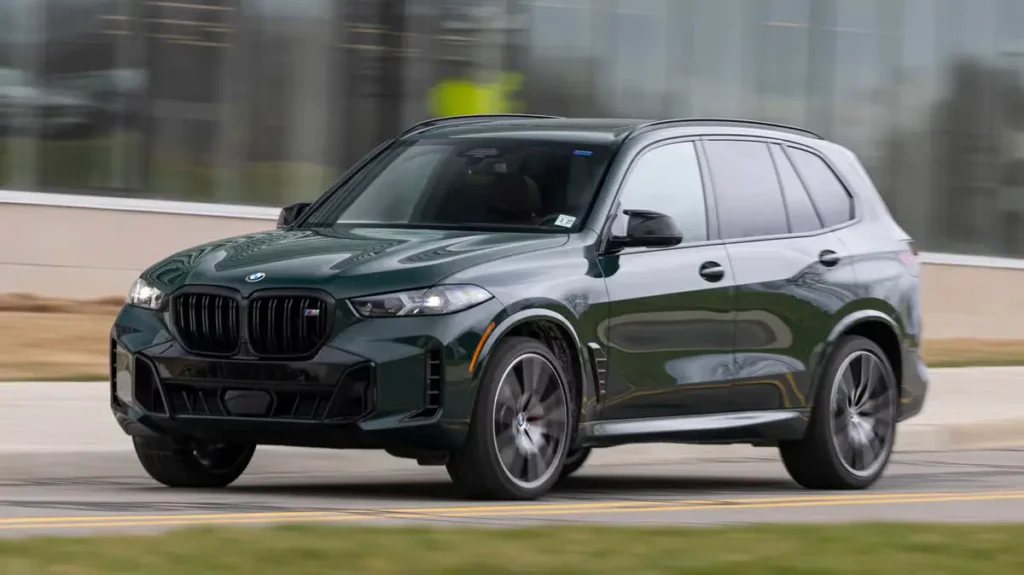
The 2026 BMW X5 is not simply the best-selling entry in BMW’s Sports Activity Vehicle lineup. It is the vehicle that first proved a luxury crossover could handle like a sports car, carry a family with first-class comfort, and do both without any meaningful compromise. In a segment now crowded with credible rivals from Mercedes-Benz, Audi, Genesis, and Porsche, the question worth asking is whether the 2026 BMW X5 has done enough to hold its ground at the top. The answer, after examining every dimension of its performance, infotainment architecture, and real-world pricing, is a decisive yes.
This complete review of the 2026 BMW X5 covers everything a serious buyer needs to know before visiting a showroom or submitting a configuration online. From the three available powertrains, including a plug-in hybrid that delivers genuine daily electric range, to the award-worthy curved display interior and a pricing structure that rewards careful trim selection, this guide is the most thorough resource available for buyers weighing their next luxury SUV purchase.
Whether you are cross-shopping the 2026 BMW X5 against the Mercedes-Benz GLE, the Audi Q7, or the Porsche Cayenne, or you have already decided on BMW and simply want to select the right variant, the sections below will answer every meaningful question. For buyers in the Atlanta, Georgia area who also want to protect their investment with professional paint protection film or ceramic coating after purchase, the team at Red’s Detail Co. specializes in exactly that kind of premium care for premium vehicles.
What Is the 2026 BMW X5 and Why Does It Matter?
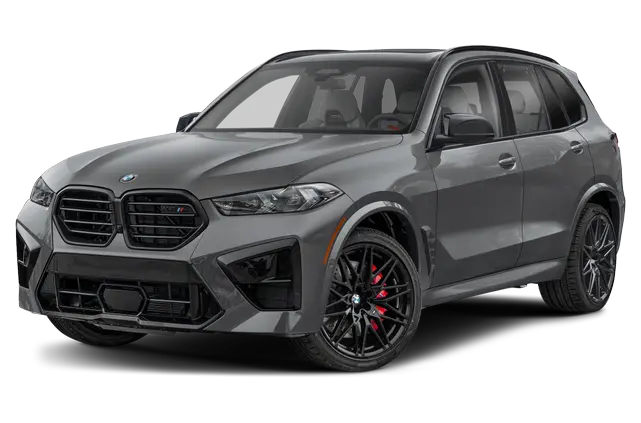
The 2026 BMW X5 belongs to the midsize luxury SUV class, which BMW calls the Sports Activity Vehicle segment. Since its introduction in 1999 as the first true luxury SUV to offer genuine driving dynamics, the X5 has defined the benchmark against which every competitor in this category is measured. The fourth-generation X5, which this 2026 model continues, represents a comprehensive refinement of that formula: sharper steering, more powerful engines, a cabin that rivals standalone luxury sedans in fit and finish, and now a plug-in hybrid powertrain that adds meaningful electric range without sacrificing any performance capability.
The significance of the 2026 BMW X5 within the broader SUV market is difficult to overstate. It occupies the precise intersection of driver engagement, cargo practicality, technology sophistication, and brand prestige that buyers in the $66,000 to $90,000-plus price bracket most consistently demand. Competing vehicles frequently excel in one or two of those dimensions but fall short in the others. The X5 has, across multiple generations, managed to lead or match the class in all of them simultaneously.
Complete 2026 BMW X5 Specifications at a Glance
Before diving into the granular detail that defines each dimension of this vehicle’s character, the core specifications of the 2026 BMW X5 are best understood at a glance.
| Feature | Details |
|---|---|
| Vehicle Class | Midsize Luxury Sports Activity Vehicle (SAV) |
| Starting MSRP | $66,000 (sDrive40i) to $90,000+ (M60i xDrive) |
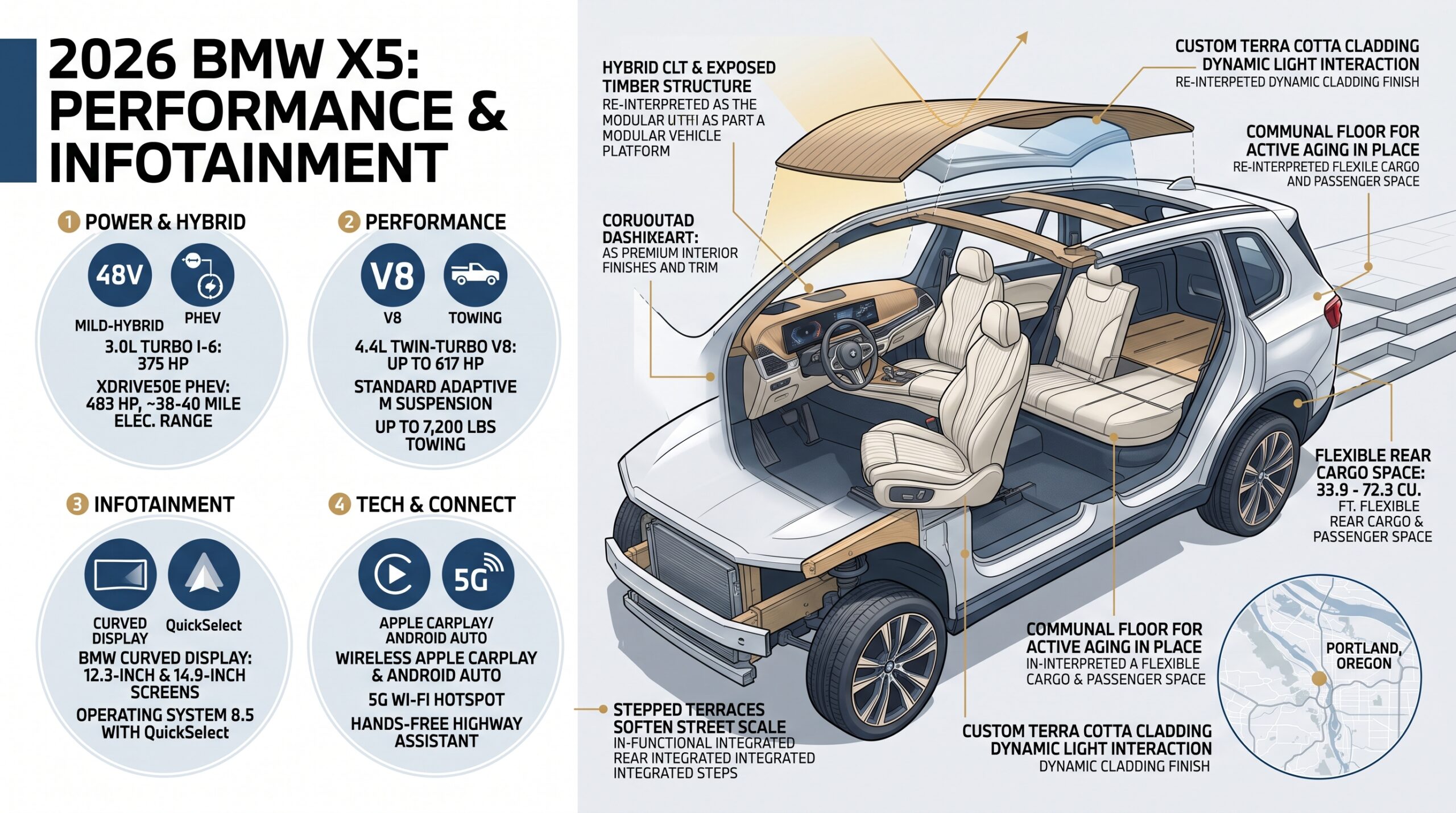
| sDrive40i / xDrive40i Engine | 3.0L Turbocharged Inline-Six, 375 hp |
| xDrive50e PHEV System | 3.0L Turbo Inline-Six + Electric Motor, 483 hp combined |
| M60i xDrive Engine | 4.4L Twin-Turbocharged V8, 523 hp |
| 0-60 MPH (40i) | 5.3 seconds |
| 0-60 MPH (xDrive50e) | 4.6 seconds |
| 0-60 MPH (M60i) | 4.2 seconds |
| Electric Range (xDrive50e) | EPA-estimated 38 to 40 miles |
| Infotainment Screen | 14.9-inch touchscreen |
| Digital Gauge Cluster | 12.3-inch display |
| Operating System | BMW Operating System 8.5 with iDrive 8.5 |
| Standard Drive System (base) | Rear-wheel drive (sDrive) / All-wheel drive (xDrive) |
| Optional Third Row | Available (cramped for adults) |
Reason 1: Three Powertrains That Cover Every Buyer Profile
The powertrain lineup of the 2026 BMW X5 is one of the most thoughtfully assembled in the luxury SUV segment, because each of the three available engines is genuinely distinct in character rather than simply a minor output variation of the same platform.
The entry powertrain, the 3.0L turbocharged inline-six producing 375 horsepower, is the sweet spot for the majority of 2026 BMW X5 buyers. Available as the sDrive40i in rear-wheel-drive configuration or the xDrive40i with BMW’s intelligent all-wheel-drive system, this engine delivers effortless performance across a remarkably wide range of driving scenarios.
Highway merging, mountain switchbacks, and urban crawl are all handled with the same unhurried competence. The 0-60 mph time of 5.3 seconds sounds entirely adequate on paper but feels substantially more urgent in practice, largely because the inline-six’s power delivery is both linear and immediately responsive to throttle input.
The xDrive50e represents the most intellectually satisfying powertrain in the 2026 BMW X5 range. By pairing the same 3.0L turbocharged inline-six with a powerful electric motor integrated into the drivetrain, BMW has created a system that produces 483 combined horsepower while simultaneously offering an EPA-estimated electric-only range of 38 to 40 miles.
For a buyer whose daily commute falls within that range, the xDrive50e effectively functions as an electric vehicle from Monday through Friday, with the combustion engine held in reserve for weekend road trips or longer interstate journeys. The 0-60 mph time of 4.6 seconds is a meaningful improvement over the standard 40i, and the additional torque available from the electric motor at low speeds gives the PHEV an urgency off the line that the conventional models cannot fully replicate.
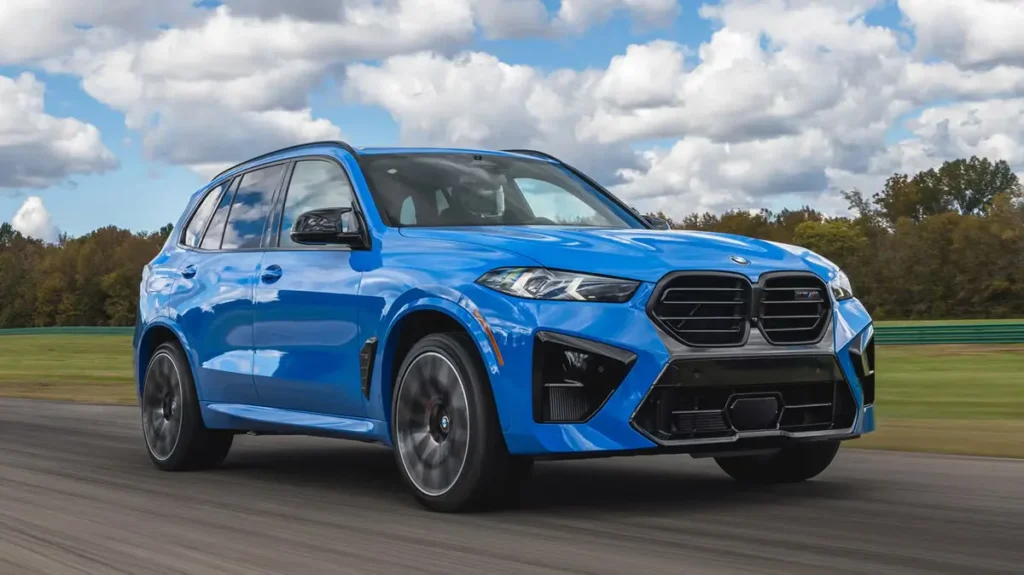
At the top of the powertrain hierarchy sits the M60i xDrive with its 4.4L twin-turbocharged V8 engine producing 523 horsepower. The 2026 BMW X5 M60i is not a vehicle for buyers who simply want adequate performance. It is a vehicle for buyers who want to be reminded, every single time they engage the throttle at highway speeds, that they chose something extraordinary.
The 4.2-second 0-60 mph sprint is quicker than many purpose-built sports cars, and the V8’s soundtrack, a deep, layered rumble that intensifies to a genuine roar under full throttle, is one of the most rewarding audio experiences available in any SUV at any price.
Reason 2: Handling That Rewards the Driver
The original promise of the first-generation BMW X5 was that a luxury SUV did not have to drive like a truck. The 2026 BMW X5 not only delivers on that original promise but extends it further than any previous generation of the nameplate has managed.
The steering is direct and accurately weighted, communicating road surface information through the wheel without the artificial numbness that characterizes so many of the X5’s competitors. Body roll in corners is well managed by the standard adaptive suspension, and the optional Dynamic Handling Package with active anti-roll bars reduces it further to a degree that makes the 2026 BMW X5 feel genuinely flat through high-speed corners despite its considerable height and mass.
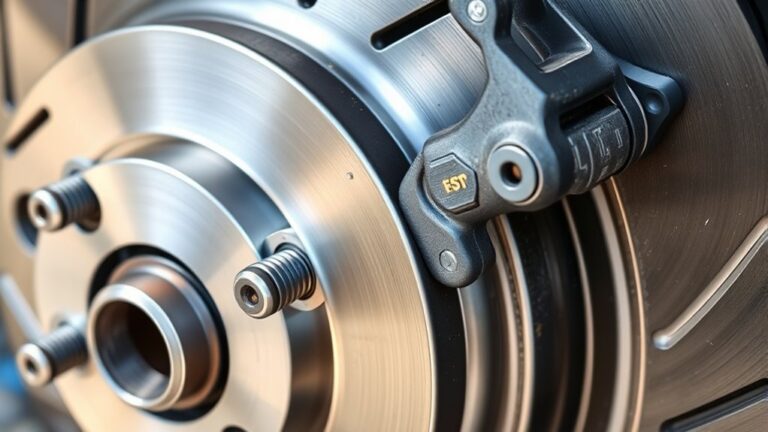
The braking performance is equally impressive. The standard brakes are strong and progressive, while the optional M Sport brake package with blue-painted calipers adds both visual drama and a measurably shorter stopping distance from highway speeds. For buyers who also intend to use the 2026 BMW X5 for occasional track days, this upgrade is worth the additional investment.
Ride quality on smooth roads is exceptional, and the adaptive dampers manage the transition between comfort and sport modes with a sophistication that keeps the vehicle genuinely comfortable for rear-seat passengers even during spirited driving. The one area where competitors like the Range Rover Sport hold a meaningful advantage over the 2026 BMW X5 is low-speed ride comfort on heavily pockmarked urban surfaces, where the X5’s sport-oriented chassis tuning can transmit occasional harshness.
Reason 3: The Curved Display and iDrive 8.5 Interior Architecture
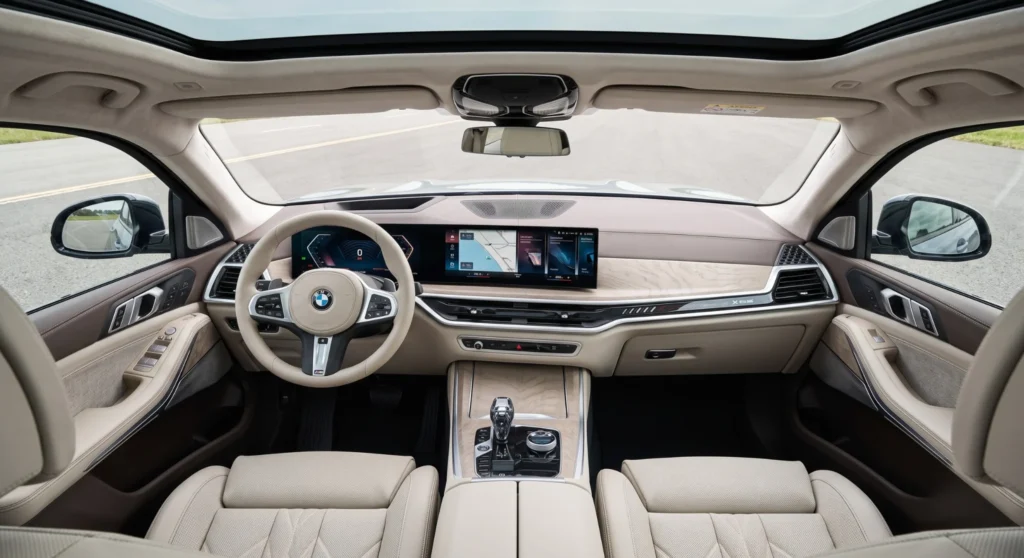
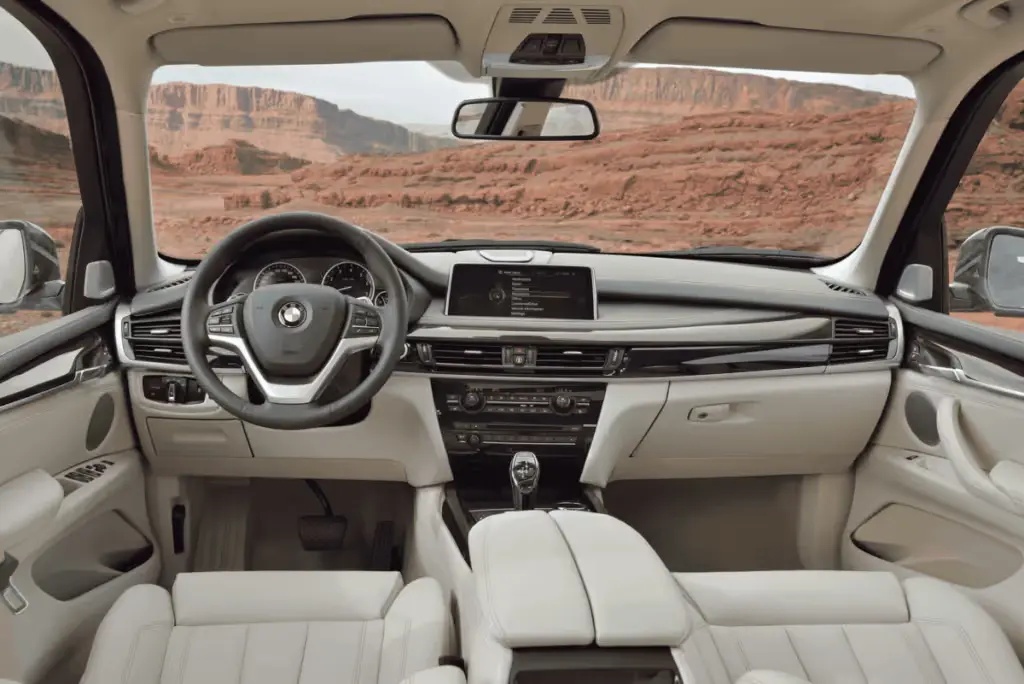
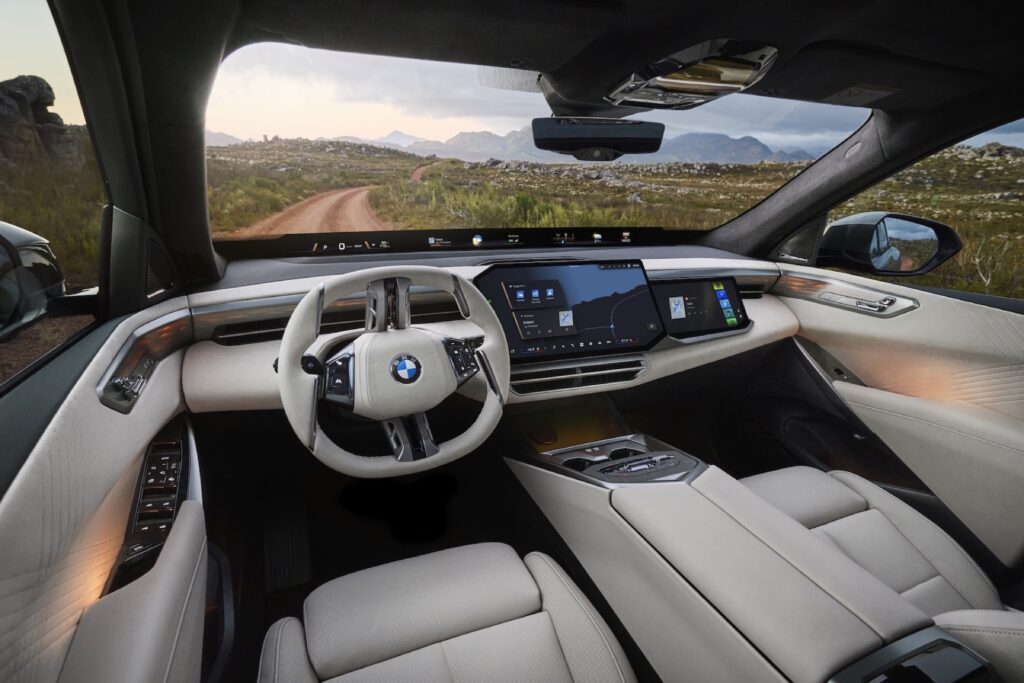
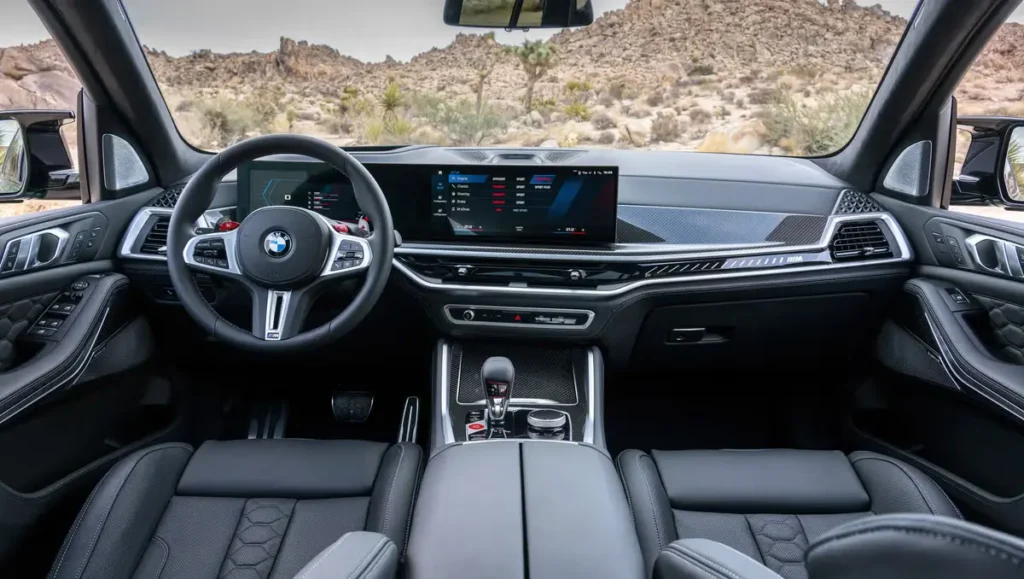
The interior of the 2026 BMW X5 is dominated by a single curved glass panel housing both the 12.3-inch digital gauge cluster and the 14.9-inch infotainment touchscreen. This arrangement, powered by BMW Operating System 8.5, represents the most refined version of iDrive yet produced and sets a benchmark that rivals from Mercedes-Benz and Audi are still working to match in terms of intuitive operation and visual polish.
The 14.9-inch infotainment display is large enough to render detailed navigation maps with genuine clarity, responsive enough to eliminate the lag that plagued earlier touchscreen implementations in BMWs, and organized with the kind of logical menu hierarchy that allows new users to locate core functions without consulting the owner’s manual. The quick-select widgets on the home screen allow drivers to configure shortcuts to their most frequently accessed functions, a feature that appreciates significantly in value after weeks of daily use.
BMW Operating System 8.5 in the 2026 BMW X5 also introduces over-the-air update capability for the navigation maps, software features, and select vehicle settings. This means the vehicle the buyer drives off the dealer lot on the day of purchase is not the peak version of its software. BMW can and does push improvements and new features remotely, a practice that extends the useful technology lifespan of the vehicle considerably beyond what was possible with previous generations.
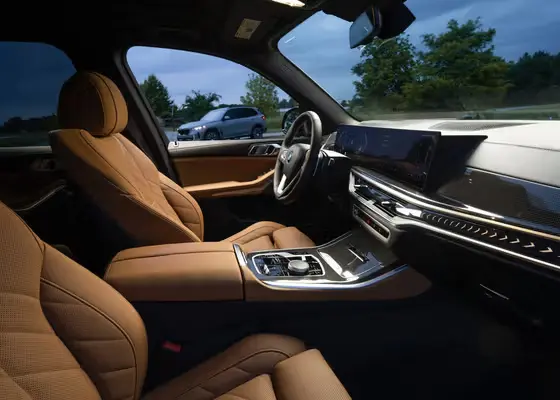
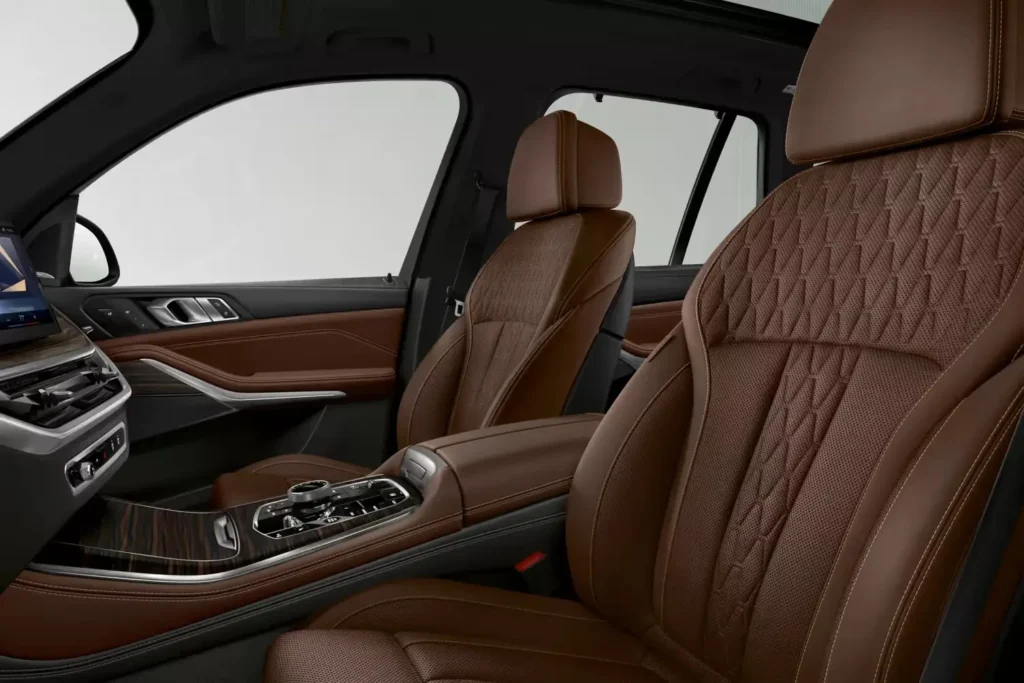
Beyond the screen architecture, the overall quality of materials in the 2026 BMW X5 cabin is outstanding. Soft-touch surfaces dominate every area the occupant is likely to touch, genuine aluminum and open-pore wood trim options provide genuine visual warmth, and the front seats offer a combination of support and cushioning that makes long interstate journeys genuinely comfortable. The rear seat is spacious for two adults and accommodating for three, with generous headroom even in the standard roof configuration.
Reason 4: The xDrive50e PHEV Makes Real-World Electric Driving Practical
Plug-in hybrid SUVs have a complicated reputation in the automotive press, and for understandable reasons. Many early PHEV offerings delivered electric range figures that were optimistic under real-world conditions, offered charging systems that were inconveniently slow, and provided combustion engine performance that felt compromised rather than enhanced by the addition of electric assistance. The xDrive50e variant of the 2026 BMW X5 addresses all three of those historical weaknesses.
The EPA-estimated 38 to 40 miles of electric-only range holds up well in real-world mixed driving conditions at moderate speeds. At consistent highway speeds above 70 mph, range will be somewhat lower, but the system manages the transition between electric and hybrid modes seamlessly enough that the driver is never left stranded by a depleted battery in any scenario. The combustion engine simply activates and continues the journey without drama.
The charging system accepts AC power from a standard Level 2 home charger, and a full charge from empty takes approximately three hours on a 7.4 kW connection. For buyers installing a home charging point, this means the vehicle can be recharged overnight from any level of depletion. DC fast charging is not supported, which is a limitation worth acknowledging, though for daily commute recharging the Level 2 capability is sufficient for most use cases.
The combined output of 483 horsepower in the 2026 BMW X5 xDrive50e is not merely a specification figure designed to offset the weight penalty of the battery pack. It represents a genuinely transformative driving experience in situations where both the electric motor and the combustion engine are contributing simultaneously, particularly during rapid acceleration from a standing start or during aggressive overtaking maneuvers at highway speeds.
Reason 5: Build Quality and Long-Term Ownership Value
The 2026 BMW X5 is assembled at BMW’s Spartanburg, South Carolina manufacturing facility, which has consistently ranked among the highest-quality automotive assembly operations in North America. The fit and finish of every exterior panel, the precision of every interior trim joint, and the quality of every switch, dial, and button inside the cabin reflects an assembly standard that BMW has refined over multiple generations of X5 production at this site.
Long-term ownership satisfaction for the X5 nameplate is consistently high among owners who maintain the vehicle according to BMW’s recommended service intervals. The turbocharged inline-six engine, in particular, has accumulated a strong reliability record across multiple model years, and the xDrive all-wheel-drive system is robust enough to handle both winter driving conditions and the occasional light off-road excursion without concern.
For Atlanta-area buyers who want to protect the exterior finish of their 2026 BMW X5 from the first day of ownership, paint protection film from Red’s Detail Co. provides a virtually invisible shield against stone chips, road debris, and the minor abrasions of daily driving. Applied professionally to the front bumper, hood, and door edges, quality paint protection film preserves the factory paint in showroom condition for years without requiring any change to the vehicle’s appearance.
Reason 6: Trim Levels and the Real Cost of Ownership
The 2026 BMW X5 pricing structure begins at approximately $66,000 for the base sDrive40i and climbs to $90,000 and above for the M60i xDrive. That range, while accurate as a starting framework, does not reflect the true cost of a fully configured X5 that most buyers will actually want.
BMW’s options packaging for the 2026 BMW X5 is more extensive than most luxury competitors, and the cost of ticking desirable boxes accumulates quickly. The Premium Package adds ventilated front seats, a gesture-control camera, and a soft-close automatic door function. The Executive Package adds massaging front seats, rear-seat entertainment screens, and a Bowers and Wilkins premium audio system.
The Panoramic Sky Lounge LED roof, which replaces the standard panoramic moonroof with a fixed glass roof embedded with LED ambient lighting, is one of the most visually spectacular options available on any luxury SUV at any price but adds meaningful cost to the window sticker.
A realistic 2026 BMW X5 xDrive40i with the most commonly selected options will typically arrive at a final transaction price in the $78,000 to $85,000 range before taxes and destination. The xDrive50e PHEV with similar optioning will reach $82,000 to $88,000, and the M60i xDrive, when configured with the packages that complement its performance character, will exceed $95,000 without significant effort.
Buyers should also account for BMW’s maintenance program, which covers scheduled maintenance for three years or 36,000 miles and is included with the purchase of a new 2026 BMW X5. Beyond that period, BMW’s independent dealer network service costs are higher than mainstream brand equivalents, a reality that should be factored into the total cost of ownership calculation.
Reason 7: Technology Integration That Goes Beyond the Screen
The technology story of the 2026 BMW X5 extends well beyond the celebrated curved display. The vehicle’s driver assistance suite, marketed as BMW Driving Assistant Professional, includes adaptive cruise control with stop-and-go capability, active lane-keeping assist, automatic emergency braking with pedestrian detection, traffic jam assist, and a hands-free driving capability on compatible mapped highways. The system is calibrated to intervene with a confidence and smoothness that makes extended highway driving genuinely less fatiguing without feeling intrusive in the way that some less refined systems do.
The 2026 BMW X5 also integrates deeply with BMW’s Connected Drive ecosystem, which provides remote vehicle monitoring, pre-conditioning of the cabin temperature via smartphone, real-time traffic routing pushed directly to the navigation system, and the ability to send destinations from a smartphone directly to the vehicle’s navigation before entering the car. For the xDrive50e PHEV, the app also displays the current battery state of charge and allows the driver to schedule charging sessions to begin during off-peak electricity rate hours.
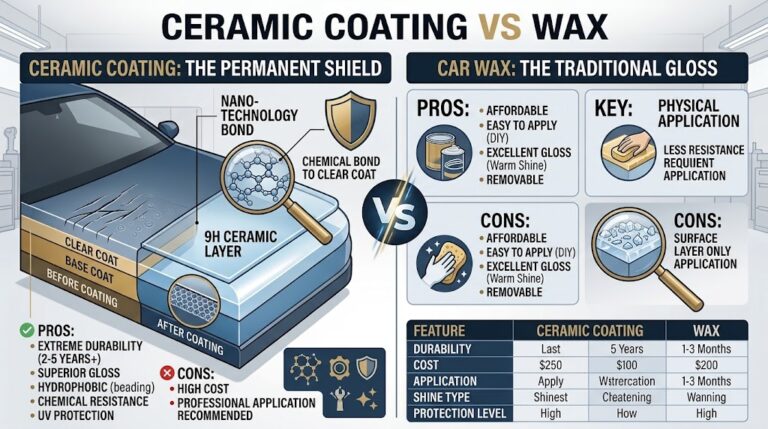
For buyers who want to protect their technology investment from exterior damage, ceramic coating applied by Red’s Detail Co. provides a durable hydrophobic surface layer that makes the vehicle significantly easier to clean, protects against minor chemical etching from bird droppings and tree sap, and maintains the paint gloss that makes a well-specified 2026 BMW X5 look as stunning in its third year of ownership as it did on delivery day.
Honest Pros and Cons of the 2026 BMW X5
No review of the 2026 BMW X5 serves the reader well unless it is honest about the vehicle’s genuine weaknesses alongside its considerable strengths.
Genuine Strengths
- Exhilarating acceleration across all three powertrain options, with the M60i delivering supercar-rivaling straight-line speed.
- Agile, driver-focused handling that makes daily driving genuinely enjoyable rather than merely adequate.
- The xDrive50e PHEV delivers 38 to 40 miles of electric-only range, making it a genuinely practical low-emission commuter vehicle.
- Premium build quality and material execution throughout the cabin that matches or exceeds direct competitors from Mercedes-Benz and Audi.
- iDrive 8.5 with the curved display architecture is the most polished infotainment experience currently available in this segment.
- Over-the-air software updates extend the technology relevance of the vehicle across its ownership lifespan.
- BMW Driving Assistant Professional is one of the most refined semi-autonomous driving systems available on a luxury SUV.
Real Weaknesses
- Options packages escalate the final transaction price rapidly, and many desirable features are locked behind expensive bundles.
- The optional third row is genuinely cramped for adults and should not be considered a practical seating solution for regular passenger use.
- The PHEV variant does not support DC fast charging, limiting recharging flexibility during longer journeys.
- Sport-oriented chassis tuning can transmit harshness on severely broken urban road surfaces, particularly in Sport mode.
- Post-warranty service and repair costs are higher than mainstream brand equivalents and should be factored into total ownership calculations.
- The gesture control feature, while impressive in demonstration, requires deliberate gestures that some users find less intuitive than simple touchscreen operation after extended use.
How the 2026 BMW X5 Compares Against Its Closest Rivals
The primary competitors of the 2026 BMW X5 in the midsize luxury SUV segment are the Mercedes-Benz GLE, the Audi Q7, the Porsche Cayenne, the Genesis GV80, and the Volvo XC90. Each of these vehicles has meaningful strengths that deserve acknowledgment in an honest comparative context.
The Mercedes-Benz GLE offers a somewhat more opulent interior atmosphere, with more expressive ambient lighting and a cabin aesthetic that some buyers will prefer to the X5’s sportier, more driver-focused environment. However, the GLE’s driving dynamics are noticeably less engaging than those of the 2026 BMW X5, particularly in corner handling and steering feel, which remain clear advantages for the BMW.
The Audi Q7 competes strongly on interior technology, with Audi’s MMI system representing a genuine peer of iDrive 8.5 in terms of usability. The Q7 also offers genuine third-row practicality with more rear legroom than the optional X5 configuration. However, the Q7 lacks the outright performance excitement of the 2026 BMW X5 across its powertrain range, and its chassis tuning is noticeably more comfort-biased than the BMW’s.
The Porsche Cayenne is the only direct competitor that matches or surpasses the 2026 BMW X5 in driving dynamics, and in some configurations offers superior body control and throttle response. However, the Cayenne’s base price is higher, its rear cabin is smaller, and its cargo space is more limited, making it a narrower proposition for buyers with genuine family transport requirements alongside performance priorities.
Protecting Your 2026 BMW X5 Investment
A well-specified 2026 BMW X5 represents a financial commitment that justifies equally serious attention to exterior paint protection from the first day of ownership. The vehicle’s dark paint options, which include BMW’s distinctive Individual colors in addition to the standard range, are particularly susceptible to visible swirl marks and fine scratches from automated car washes and improper hand-washing technique.
For buyers in the Atlanta, Georgia metropolitan area, Red’s Detail Co. in Marietta, GA offers the full range of professional protection solutions for luxury vehicles. Their services include CQuartz Finest ceramic coating, which provides a durable, chemically resistant surface layer that preserves paint gloss and makes maintenance significantly easier, as well as Suntek paint protection film for the highest-impact areas of the vehicle including the full front end, door edges, and door cup handles.
The professional detailing guide published by Red’s Detail Co. is also an excellent resource for new 2026 BMW X5 owners who want to understand the full range of maintenance and protection options available for their vehicle, from initial paint decontamination through to ceramic coating maintenance wash protocols.
Verdict: Is the 2026 BMW X5 Still Worth Buying?
The 2026 BMW X5 earns an unqualified recommendation for buyers who prioritize driving engagement, cabin technology, and powertrain sophistication in a midsize luxury SUV. It is not the cheapest vehicle in its class when properly equipped, and its options pricing structure demands careful configuration to avoid unnecessary cost escalation.
But for the buyer who wants to arrive at every destination having genuinely enjoyed the journey, who demands a cabin that matches a luxury hotel suite in material quality, and who expects the vehicle’s technology to remain relevant across multiple years of ownership, the 2026 BMW X5 delivers all of that with a completeness and coherence that no single rival fully matches.
The xDrive50e PHEV variant is the most recommended configuration for buyers who want both performance and reduced fuel costs during daily operation. The xDrive40i is the rational choice for buyers less focused on electric range. And the M60i xDrive exists for buyers who simply want the most thrilling luxury SUV experience available at any price below a Porsche Cayenne Turbo GT.
Frequently Asked Questions About the 2026 BMW X5
How many miles can the 2026 BMW X5 xDrive50e go on electric power alone?
The 2026 BMW X5 xDrive50e offers an EPA-estimated electric-only range of approximately 38 to 40 miles on a full charge. This range makes it a genuinely practical plug-in hybrid for buyers whose daily round-trip commute falls within that distance, allowing them to drive on electric power alone from Monday through Friday and rely on the combustion engine only for longer weekend or interstate journeys.
What is the starting price of the 2026 BMW X5?
The 2026 BMW X5 starts at approximately $66,000 for the base sDrive40i configuration. The xDrive40i with all-wheel drive starts slightly higher, the xDrive50e PHEV commands a premium over the standard inline-six models, and the M60i xDrive with its twin-turbocharged V8 begins at approximately $90,000. Final transaction prices for well-optioned examples frequently exceed these base figures by $10,000 to $20,000 depending on selected packages.
What engine options are available on the 2026 BMW X5?
The 2026 BMW X5 is offered with three distinct powertrains. The base engine is a 3.0L turbocharged inline-six producing 375 horsepower, available in either rear-wheel-drive or all-wheel-drive configurations. The mid-range option is a plug-in hybrid system pairing that same inline-six with an electric motor for a combined output of 483 horsepower. The performance flagship is a 4.4L twin-turbocharged V8 producing 523 horsepower in the M60i xDrive.
Is the 2026 BMW X5 a good family vehicle?
Yes, the 2026 BMW X5 is an excellent family vehicle. The standard five-seat configuration offers generous space for four adults plus cargo, and the cabin materials and seat comfort are genuinely premium. The xDrive50e PHEV trim adds the practical benefit of electric daily driving for families whose commutes fall within the 38-to-40-mile electric range. The optional third row provides two additional seats but is more realistically suited to children than adults due to limited legroom.
How fast is the 2026 BMW X5 M60i?
The 2026 BMW X5 M60i xDrive completes the 0-60 mph acceleration run in approximately 4.2 seconds, powered by a 523-horsepower twin-turbocharged V8. This makes it one of the fastest SUVs available at its price point, with performance that exceeds many dedicated sports cars available from mainstream manufacturers.
What infotainment system does the 2026 BMW X5 use?
The 2026 BMW X5 uses BMW Operating System 8.5, commonly referred to as iDrive 8.5. The system is presented on a curved glass panel that integrates a 12.3-inch digital gauge cluster and a 14.9-inch infotainment touchscreen into a single seamless unit. The system supports over-the-air updates, wireless Apple CarPlay and Android Auto, BMW’s connected services ecosystem, and customizable quick-select widgets on the home screen.
Related Articles from Red’s Detail Co.
- The Best Guide to Professional Car Detailing: Types, Maintenance, and Expert Tips 2026A comprehensive guide for luxury vehicle owners on how professional detailing works, what to expect, and how to maintain your vehicle between professional sessions.
- Benefits of Ceramic Coating vs. Wax: The Complete Guide 2026 to Choosing the Right ProtectionEverything BMW X5 owners need to know about the difference between traditional wax and modern ceramic coating, and why the latter is the right choice for a vehicle at this price point.
- Paint Protection Film Services at Red’s Detail Co.Discover how Suntek paint protection film shields high-impact areas of your luxury SUV from stone chips, road debris, and daily abrasion without altering its appearance.
- Leather Seat Cleaning, Stain Removal, and Steam Cleaning Car Interior: The Best Guide 2026For BMW X5 owners with the Merino leather interior, this complete guide covers how to clean, condition, and protect premium leather seats for long-term preservation.
- 2026 Kia Telluride: Full Review of the Top 3-Row SUVCross-shopping the X5 against a more value-oriented three-row SUV? The Telluride review examines how far mainstream luxury has come in recent years.
- Ceramic Coating Services at Red’s Detail Co., AtlantaCQuartz Finest ceramic coating applied by certified technicians at Red’s Detail Co. in Marietta, GA protects your investment and preserves your BMW’s factory finish for up to a decade.