Nano Ceramic Coating vs. Ceramic Paint Protection: The Complete Guide to Choosing the Right Finish for Your Car 2026
Introduction
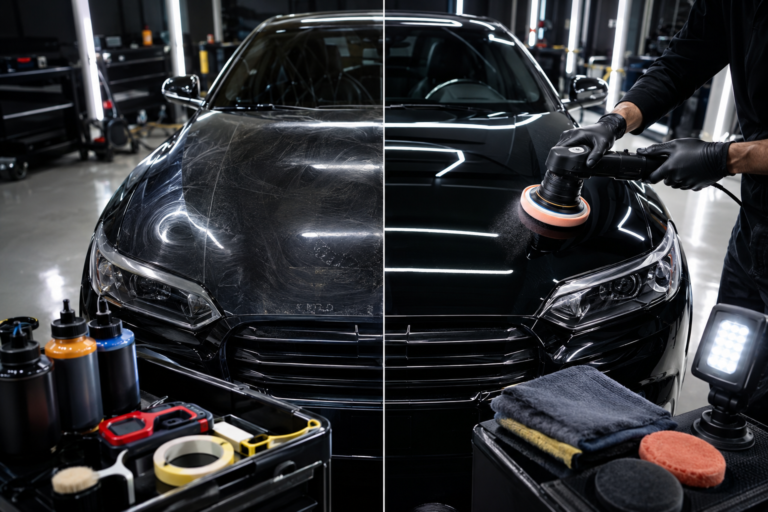
Nano Ceramic Coating vs. Ceramic Paint Protection: If you’ve ever searched for ways to keep your car looking showroom-fresh for years instead of months, you’ve almost certainly come across the terms nano ceramic coating and ceramic paint protection. These two terms are often used interchangeably, but they represent a category of automotive detailing products that have completely changed how car owners protect their vehicle’s paintwork.
Gone are the days when a coat of wax every few weeks was the gold standard. Today, nano ceramic coating technology bonds at a molecular level with your car’s clear coat, creating a semi-permanent layer of protection against UV rays, oxidation, bird droppings, road grime, and minor chemical stains. Ceramic paint protection, as a broader category, includes everything from spray-on ceramic sealants to professional-grade, multi-layer coating systems that can last anywhere from six months to over five years.
In this guide, we’ll break down everything you need to know: why this protection matters, the different types available, how they compare in terms of maintenance, their pros and cons, repair tips, cleaning routines, common mistakes people make, and answers to the most frequently asked questions. Whether you’re a weekend detailer or a first-time car owner researching paint protection options, this article will help you make an informed decision.
Why Nano Ceramic Coating Matters
Your car’s paint is constantly under attack. UV rays fade and oxidize clear coats. Acid rain, tree sap, bird droppings, and road salt eat away at unprotected surfaces. Automatic car washes leave fine swirl marks that dull the finish over time. Without a protective barrier, these everyday exposures accumulate into permanent damage — and that damage directly affects resale value.
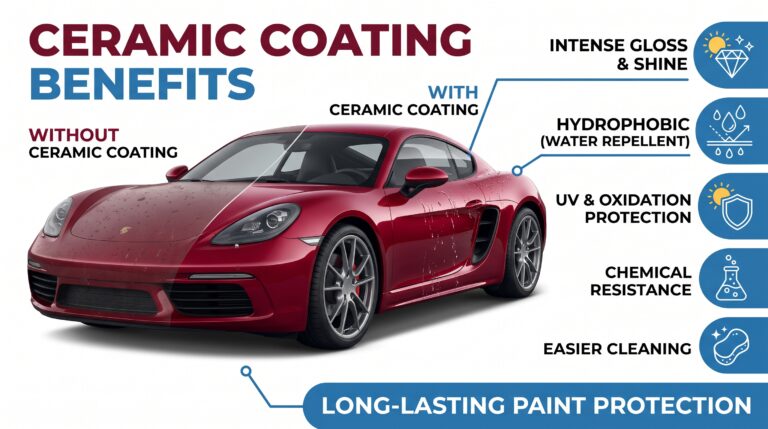
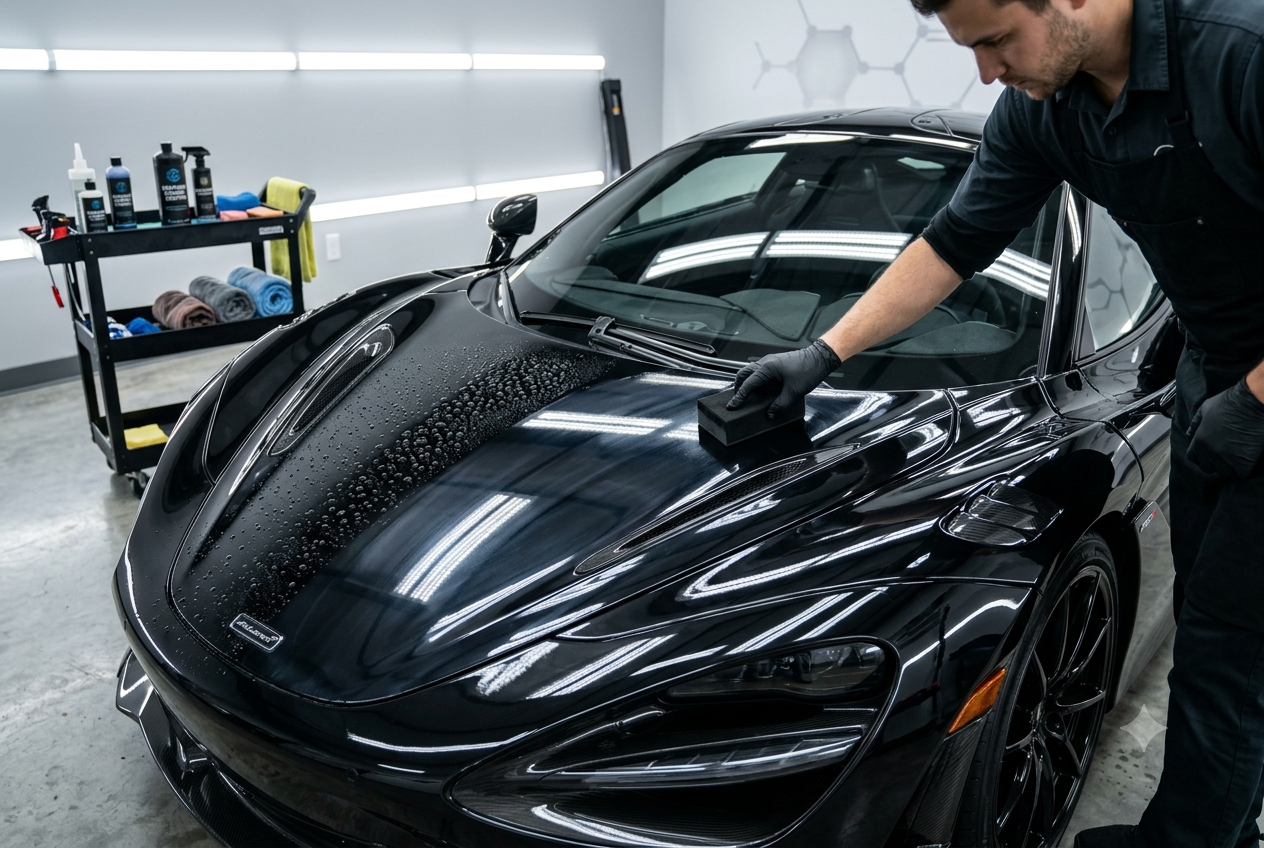
This is where nano ceramic coating earns its reputation. Because the formula is built from nanoparticles (typically silicon dioxide, SiO2, derived from quartz or sand), it can fill in the microscopic pores of your clear coat and cure into a hard, glass-like layer. This layer is hydrophobic, meaning water beads up and rolls off instead of sitting on the surface and drying into water spots.
Ceramic paint protection matters for a few practical reasons:
- Long-term cost savings – A quality coating reduces the frequency of paid detailing, waxing, and paint correction services.
- Enhanced resale value – A well-maintained, swirl-free finish signals to buyers that the car has been cared for.
- UV and oxidation resistance – Coatings slow down fading, especially important for darker paint colors and vehicles parked outdoors.
- Easier cleaning – The hydrophobic surface causes dirt and grime to slide off more easily during washing.
- Chemical resistance – Bug splatter, bird droppings, and mild acidic contaminants are less likely to etch into the clear coat.
In short, nano ceramic coating isn’t just a cosmetic upgrade — it’s a protective investment that pays for itself over the ownership life of the vehicle.
Different Types of Ceramic Paint Protection (10+ Types)
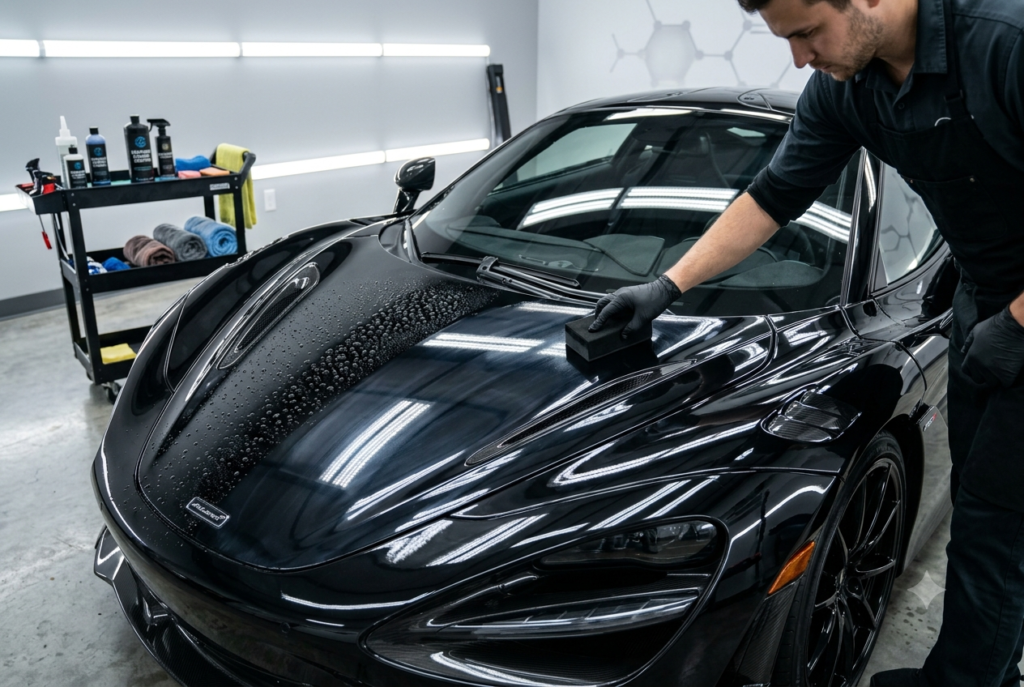
Not all ceramic protection is created equal. Here are the main categories and product types you’ll encounter when researching nano ceramic coating and ceramic paint protection options.
- Professional-Grade Nano Ceramic Coating – Applied by trained detailers using multi-stage paint correction and curing under controlled conditions. Typically lasts 2–5+ years.
- DIY Consumer Ceramic Coating – Retail kits designed for home application. Easier to apply but generally shorter-lasting (6 months to 2 years).
- Ceramic Spray Coating (Spray Sealants) – A quick-apply, spray-and-wipe hydrophobic layer. Lasts a few weeks to a few months; often used as a top-up.
- Graphene-Infused Ceramic Coating – A newer hybrid that adds graphene oxide to the ceramic formula for improved heat resistance and slicker hydrophobic properties.
- SiO2 (Silicon Dioxide) Coating – The most common base chemistry in nano ceramic coatings, known for hardness and gloss.
- Ceramic Wax Hybrids – Combines traditional carnauba wax with ceramic particles for a warmer, deeper shine and easier application, though shorter durability.
- Multi-Layer Ceramic Coating Systems – Involves a primer layer, a main ceramic layer, and a top coat for maximum durability and self-healing gloss.
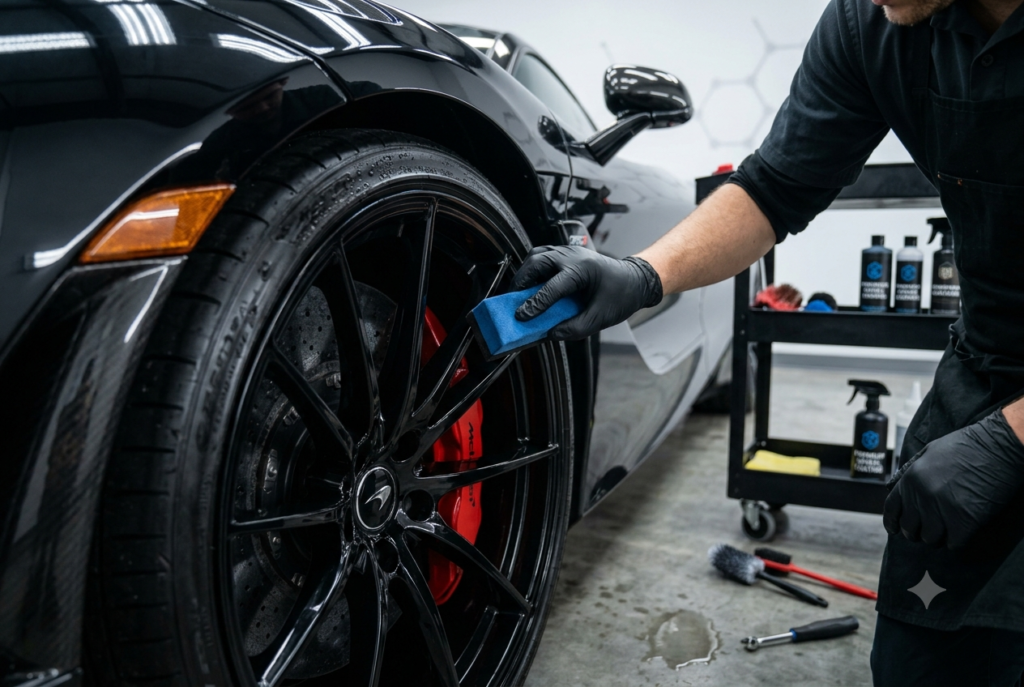
- Ceramic Coating for Wheels and Calipers – Specialized formulas resistant to brake dust and high heat, applied separately from body paint coatings.
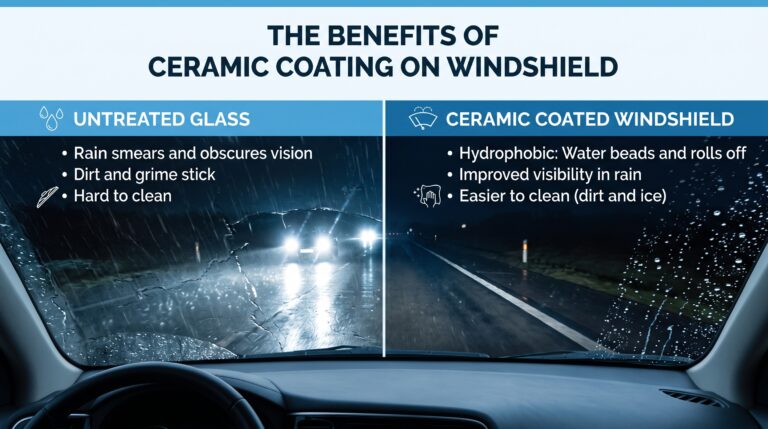
- Ceramic Glass Coating – Applied to windshields and windows to improve visibility in rain and repel water at highway speeds.
- Ceramic Coating for Plastics and Trim – Prevents fading and browning of black plastic trim, bumpers, and mirror housings.
- Ceramic Leather and Interior Protection – Extends ceramic nanotechnology into interior surfaces to resist stains and UV fading.
- PPF (Paint Protection Film) with Ceramic Top Coat – Combines physical film protection with a ceramic layer on top for added gloss and self-healing properties.
Each of these serves a slightly different purpose, and many professional detailing packages combine several types — for example, a full-body nano ceramic coating paired with a separate wheel and glass coating.
Maintenance Comparison
When comparing ceramic paint protection types, maintenance requirements vary significantly based on durability and application method. Below is a general comparison:
| Type | Typical Lifespan | Maintenance Frequency | Reapplication Needed |
|---|---|---|---|
| Professional Nano Ceramic Coating | 2–5+ years | Low (wash every 1–2 weeks) | Rare |
| DIY Ceramic Coating | 6 months–2 years | Moderate | Every 1–2 years |
| Ceramic Spray Sealant | 4–12 weeks | High (frequent top-ups) | Monthly/quarterly |
| Graphene-Infused Coating | 2–4 years | Low | Every 2–3 years |
| Ceramic Wax Hybrid | 3–6 months | Moderate-High | Every few months |
| Multi-Layer Systems | 3–7 years | Very Low | Rare |
| PPF with Ceramic Top Coat | 5–10 years (film) / 1–2 years (top coat) | Low | Top coat annually |
Generally speaking, the more durable and professionally applied the coating, the less frequent the maintenance — but the higher the upfront cost.
Maintenance Explained
Maintenance for ceramic paint protection isn’t about reapplying wax every month; it’s about preserving the bond and hydrophobic performance of the existing layer. Here’s what ongoing maintenance actually involves:
- Routine washing using pH-neutral car shampoo to avoid stripping the coating’s hydrophobic properties.
- Decontamination washes every few months using a clay bar or chemical decontaminant to remove embedded contaminants that regular washing can’t lift.
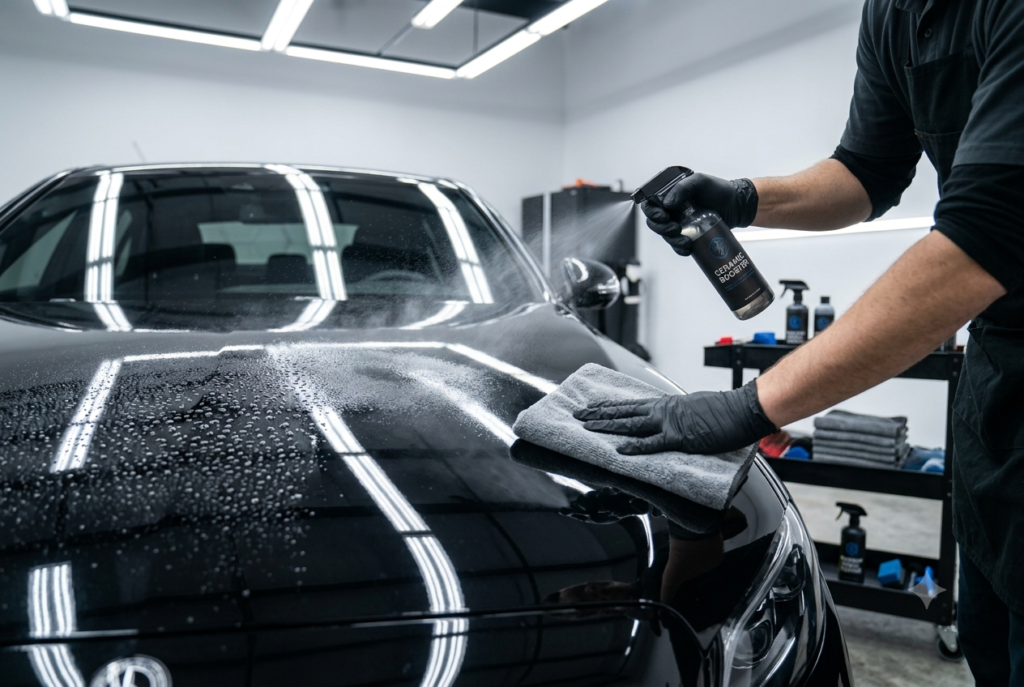
- Boosting products like ceramic-infused detail sprays or spray sealants that refresh the hydrophobic layer between full washes.
- Avoiding automatic car washes with abrasive brushes, which can introduce swirl marks and gradually wear down the coating.
- Periodic inspection for water beading behavior — if water stops beading and starts sheeting flat, it’s often a sign the coating is degrading and may need a top-up or reapplication.
Multi-layer and professional-grade coatings need far less hands-on maintenance because the bonded layer is thicker and more resilient, while spray sealants and wax hybrids require near-constant attention to maintain performance.
Pros & Cons of Each Type
Professional Nano Ceramic Coating
- Pros: Long-lasting, excellent gloss, strong chemical resistance
- Cons: Expensive, requires professional application and paint correction beforehand
DIY Ceramic Coating
- Pros: More affordable, accessible for home use
- Cons: Prone to application errors like high spots or streaking; shorter lifespan than pro coatings
Ceramic Spray Sealant
- Pros: Cheap, easy, quick to apply
- Cons: Short-lived, needs frequent reapplication
Graphene-Infused Coating
- Pros: Better heat resistance, slicker surface, reduces water spotting
- Cons: Higher cost than standard ceramic coatings
Ceramic Wax Hybrid
- Pros: Deep, warm gloss; easy application
- Cons: Shortest durability among ceramic-based products
Multi-Layer Ceramic Systems
- Pros: Maximum durability and depth of gloss
- Cons: Most expensive; long application/curing time
PPF with Ceramic Top Coat
- Pros: Physical protection against rock chips plus chemical resistance
- Cons: Highest overall cost; film can yellow over time if not properly maintained
Repair Tips for Each Type
- Professional Nano Ceramic Coating: Minor scratches can often be polished out without damaging the coating; deeper damage usually requires a professional to strip and reapply the affected panel.
- DIY Ceramic Coating: If streaking or high spots appear, gently polish with a fine detailing clay or ceramic-safe polish, then reapply a maintenance spray.
- Ceramic Spray Sealant: Simply reapply — no removal needed since it’s a topical layer.
- Graphene-Infused Coating: Spot-repair with graphene-based touch-up sprays formulated to match the base coating chemistry.
- Ceramic Wax Hybrid: Reapply wax layer after a clay bar treatment to restore the finish.
- Multi-Layer Systems: Repairs should be handled by the original installer to preserve warranty and layer integrity.
- PPF with Ceramic Top Coat: Damaged film sections can be replaced individually without redoing the entire panel; the ceramic top coat can be reapplied after film repair.
Cleaning & Maintenance Best Practices
To get the most out of any nano ceramic coating or ceramic paint protection product, follow these best practices:
- Use the two-bucket wash method to minimize the risk of reintroducing dirt into your wash mitt.
- Choose pH-neutral, ceramic-safe shampoos — harsh detergents can degrade the hydrophobic layer over time.
- Dry with a microfiber towel or air blower to prevent water spot formation.
- Avoid touchless car washes with harsh chemicals, as some use high-pH degreasers that strip coatings.
- Apply a ceramic booster spray every 1–3 months to refresh gloss and hydrophobic performance.
- Park in shade when possible to reduce UV exposure and thermal stress on the coating.
- Address contaminants quickly — bird droppings and tree sap should be rinsed off as soon as possible, even with a coating in place.
Common Mistakes to Avoid
- Skipping paint correction before application – Applying ceramic coating over swirl marks and scratches locks in those imperfections permanently.
- Washing too soon after application – Most coatings need 7–14 days to fully cure; washing early can compromise the bond.
- Using dish soap or harsh detergents – These strip the hydrophobic properties and shorten the coating’s lifespan.
- Assuming coatings are scratch-proof – Ceramic coatings are scratch-resistant, not scratch-proof; they still require careful washing technique.
- Neglecting maintenance washes – Even the most durable coatings need periodic decontamination to perform well.
- Choosing the cheapest DIY kit without research – Quality varies widely, and poor formulas can leave a hazy or uneven finish.
- Ignoring water beading changes – Failing to notice reduced beading means missing the early signs that a coating needs attention.
Frequently Asked Questions (FAQs)
1. What is the difference between nano ceramic coating and ceramic paint protection? Nano ceramic coating refers specifically to the nanoparticle-based chemical formula applied to the paint, while ceramic paint protection is the broader category that includes coatings, sprays, waxes, and hybrid products.
2. How long does nano ceramic coating last? Depending on the type and application quality, it can last anywhere from a few months (spray sealants) to 5+ years (professional multi-layer systems).
3. Is ceramic coating worth the cost? For most owners who want long-term paint protection and reduced maintenance effort, yes — especially for new or recently detailed vehicles.
4. Can I apply nano ceramic coating myself? Yes, DIY kits are available, but results depend heavily on proper paint prep and application technique.
5. Does ceramic coating prevent scratches? It offers scratch resistance, not scratch immunity. It won’t prevent deep scratches from keys or heavy impacts.
6. How soon can I wash my car after ceramic coating? Most manufacturers recommend waiting at least 7–14 days to allow full curing.
7. Can ceramic coating be applied over existing wax? No, wax should be fully removed beforehand since it prevents proper bonding to the clear coat.
8. Does ceramic coating make my car easier to clean? Yes, the hydrophobic surface causes dirt and water to slide off more easily during washing.
9. Is graphene coating better than standard ceramic coating? Graphene-infused coatings generally offer improved heat resistance and slicker surfaces, but at a higher price point.
10. Can ceramic coating be removed? Yes, though it typically requires machine polishing or compounding by a professional detailer.
11. Does ceramic coating protect against rock chips? No, ceramic coatings do not provide physical impact protection. For that, paint protection film (PPF) is required.
12. How do I know when my ceramic coating needs reapplication? Reduced water beading and a duller finish are the clearest signs that the coating’s performance is declining.
13. Is ceramic paint protection safe for all paint colors? Yes, it’s safe and often especially beneficial for darker colors, which show swirl marks and fading more prominently.
14. Can ceramic coating be applied to a used or older car? Yes, as long as proper paint correction is performed beforehand to address existing imperfections.
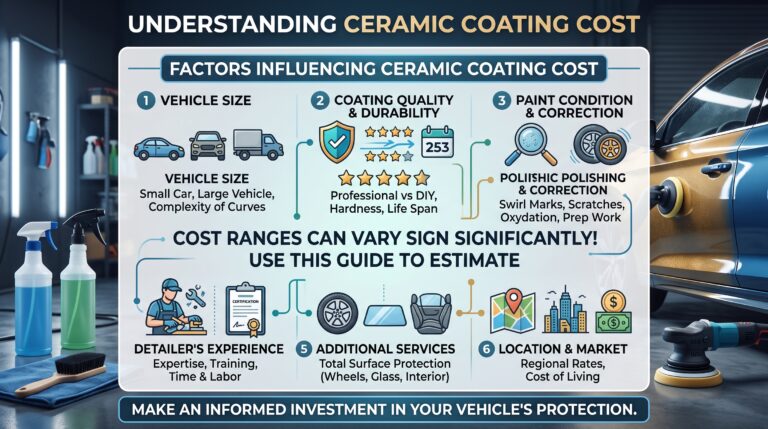
15. What’s the average cost of professional ceramic coating? Costs vary by vehicle size and coating tier, generally ranging from a few hundred to over a thousand dollars for premium multi-layer systems.
Conclusion
Choosing the right nano ceramic coating or ceramic paint protection product ultimately comes down to your budget, how long you plan to keep the vehicle, and how much maintenance effort you’re willing to put in. Professional-grade, multi-layer ceramic systems offer the best long-term durability and gloss retention, while spray sealants and ceramic waxes provide a more affordable, short-term boost for owners who don’t mind more frequent upkeep.
Regardless of which type you choose, the underlying benefit remains the same: a protective, hydrophobic barrier that shields your car’s paint from UV damage, contaminants, and everyday wear — while making cleaning easier and preserving resale value. By understanding the different types available, following proper maintenance routines, and avoiding common application mistakes, you can keep your vehicle’s finish looking sharp for years to come.