How Much Does Professional Ceramic Coating Cost? A Full Price Breakdown
Quick Answer: Ceramic coating cost typically ranges from $600 for an entry-level, 1-to-2-year package to $3,500 or more for a flagship, certified installation lasting 7 to 10-plus years. The bulk of that price reflects labor for paint correction and decontamination, not the price of the product itself, which is why quotes vary so widely between shops.
When shopping for high-end paint protection, price quotes can vary dramatically. One shop might advertise an entry-level package for $600, while a certified studio quotes $2,500 or more for a flagship application. This wide variance often leaves vehicle owners wondering why there’s such a massive range in ceramic coating cost, and what they’re actually paying for at each price point.
The reality is that you are not simply paying for a 50ml bottle of liquid quartz. That price instead reflects extensive surface decontamination, multi-stage machine paint correction, and certified cleanroom application. This guide breaks down typical pricing tiers, the variables that determine your final quote, and how to assess long-term return on investment.
Typical Ceramic Coating Cost by Industry Pricing Tier
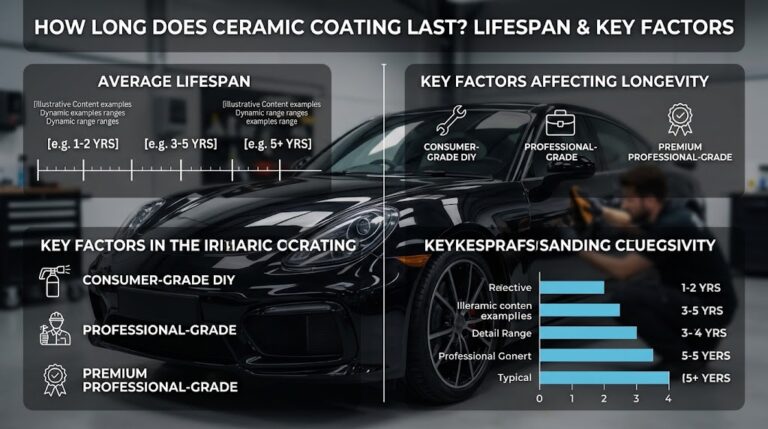
Professional automotive protection studios generally organize their ceramic coating packages, and therefore their ceramic coating cost, based on product grade, layer count, and guaranteed lifespan. An entry-level tier lasting 1 to 2 years typically runs $600 to $1,000. An intermediate professional tier lasting 3 to 5 years typically runs $1,200 to $1,800. A flagship, certified tier lasting 7 to 10-plus years typically runs $2,000 to $3,500 or more.
1. Entry-Level Package (1 to 2 Years of Protection)
Typical pricing for this tier runs $600 to $1,000. What’s included is single-stage chemical decontamination, a single-pass enhancement polish removing roughly 50 to 60 percent of surface defects, and a 1-to-2-year single-layer nanocoating. This tier is best for leased vehicles, short-term owners, or drivers on a budget wanting easy maintenance without a large upfront commitment.
2. Intermediate Multi-Year Package (3 to 5 Years of Protection)
Typical pricing here runs $1,200 to $1,800. This package includes full multi-step chemical and mechanical decontamination, one to two stages of machine paint correction removing roughly 75 to 85 percent of swirl marks, a multi-layer body coating, and basic wheel-face protection. It’s best suited for daily drivers and enthusiasts planning to keep their vehicle for three to five years.
3. Flagship Certified Package (7 to 10-Plus Years, Lifetime Warranties)
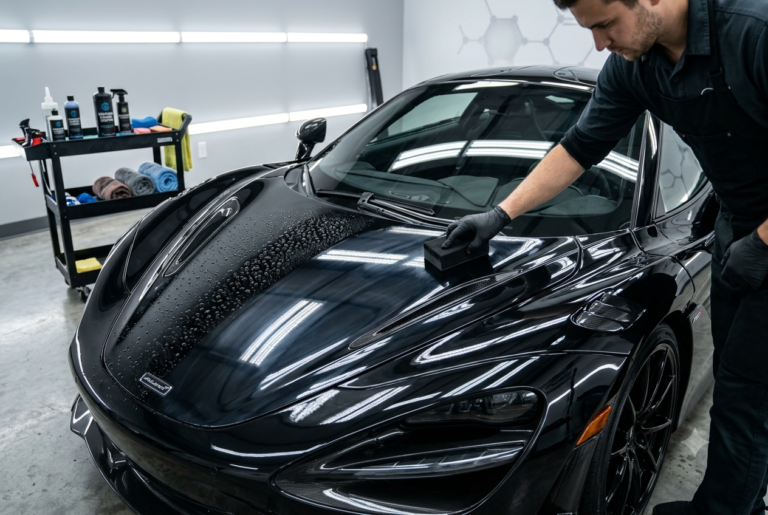
At the top end, pricing typically runs $2,000 to $3,500 or more. This tier includes intensive multi-stage paint correction removing 90 to 95-plus percent of defects, a flagship high-solids nano-epoxy coating such as CQuartz Finest Reserve, infrared heat-lamp curing, wheel barrel and caliper coating, exterior glass rain repellant, and leather or fabric interior shielding. This package is best for luxury sedans, exotics, collector cars, and brand-new long-term vehicle purchases.
5 Primary Factors That Dictate Ceramic Coating Cost
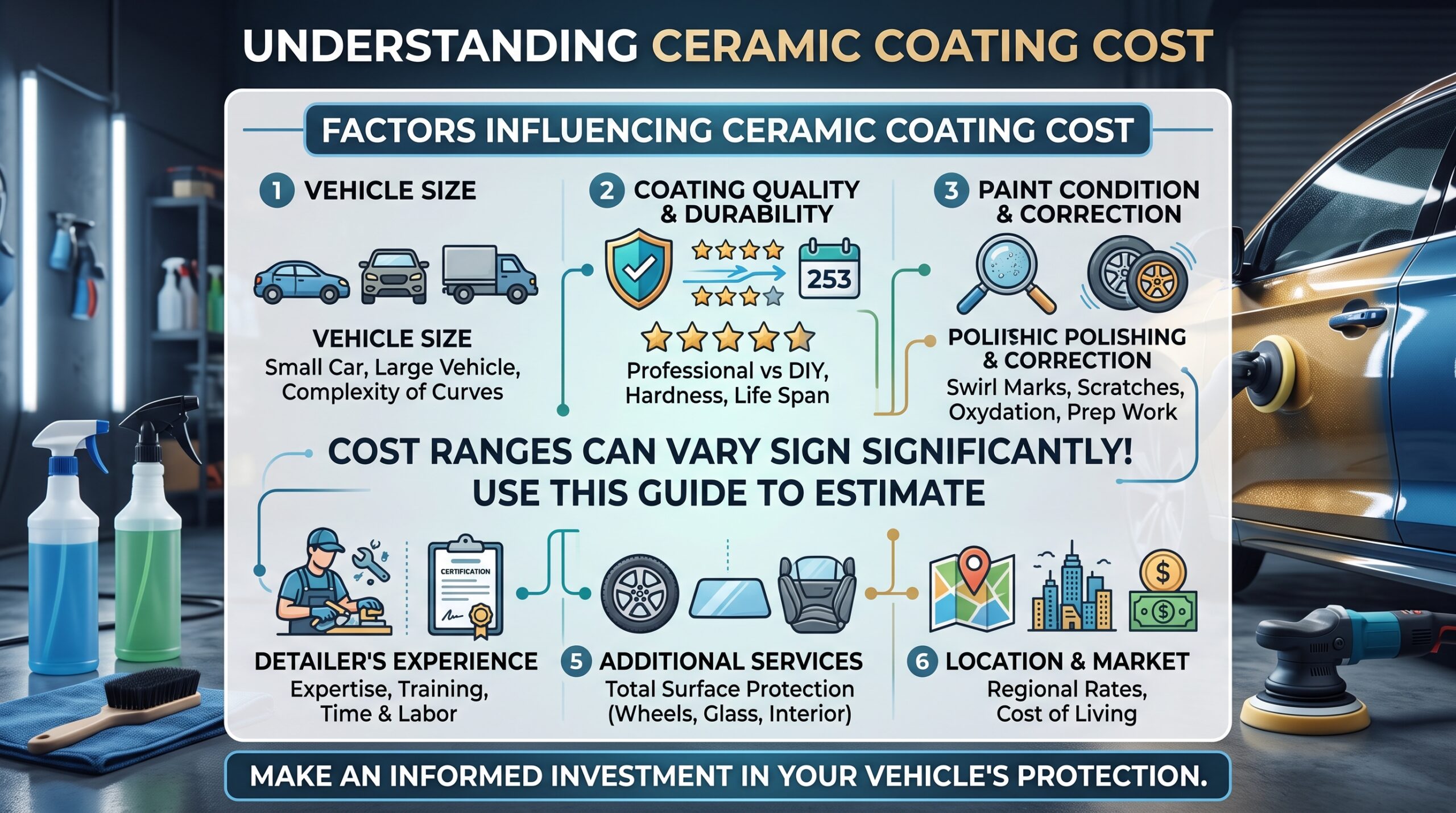
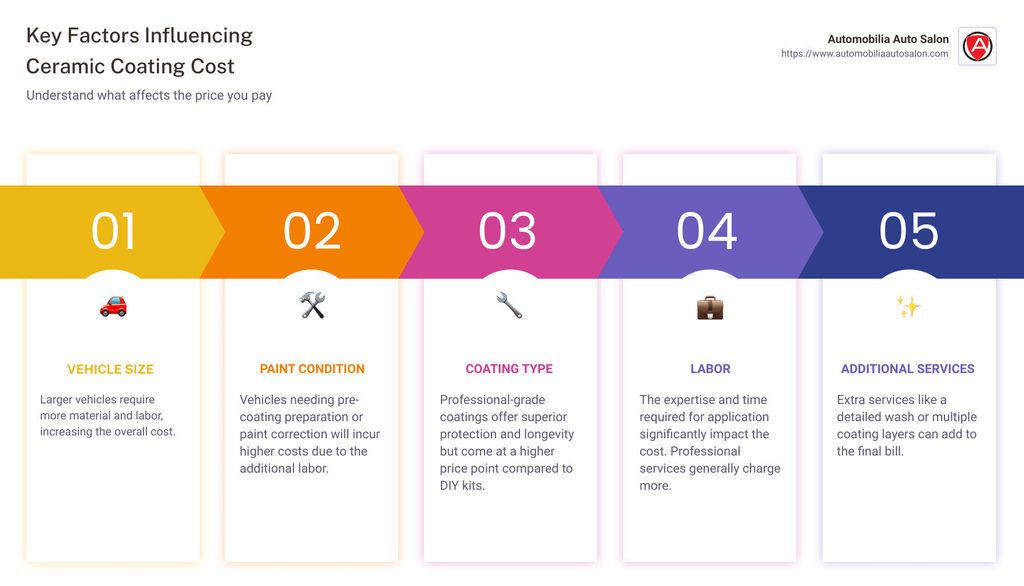
Understanding the labor and technical requirements behind professional detailing makes ceramic coating cost structures far easier to understand. In broad terms, total cost breaks down into paint correction labor making up roughly 60 to 70 percent, vehicle size and complexity accounting for around 15 percent, and coating chemistry tier making up the remaining 15 to 20 percent.
1. The Condition of the Existing Clear Coat
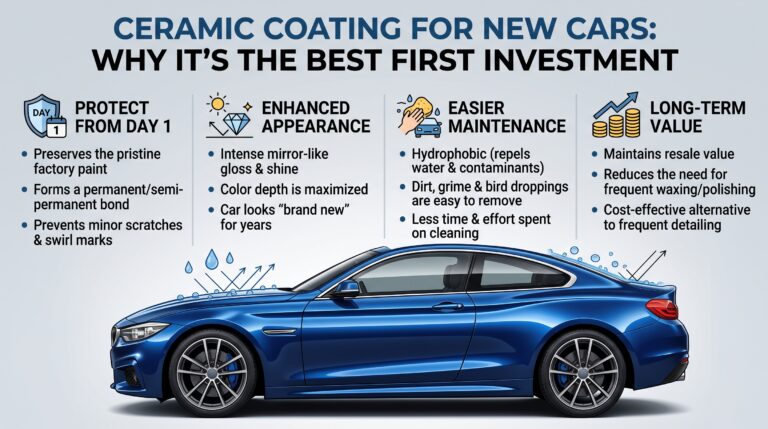
Because ceramic coatings cure into an optically transparent glass shield, any swirl marks, etching, or scratches left in the paint will be permanently locked under the coating. This makes paint condition the single biggest driver of ceramic coating cost for any given vehicle. A brand-new car might require only 4 to 6 hours of light polishing, while a five-year-old vehicle with heavy swirl marks and acid-rain etching might require 15 to 30-plus hours of compounding, wet-sanding, and fine jeweling before a coating can even be applied.
2. Vehicle Size and Body Complexity
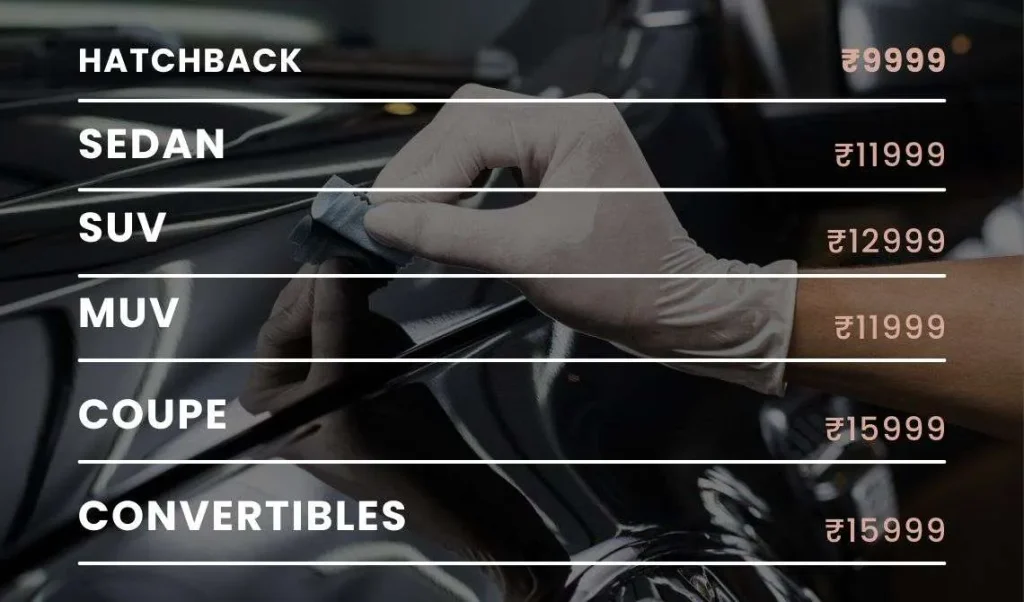
Larger vehicles feature substantially more painted surface area, consuming more labor hours and specialized coating product, which directly raises ceramic coating cost. A coupe or small sedan, such as a Porsche 911 or BMW 3-Series, typically represents standard baseline pricing. A mid-size SUV or sport truck, such as a Porsche Macan or Ford F-150, usually runs 20 to 30 percent over that baseline. A full-size luxury SUV or heavy-duty vehicle, such as a Cadillac Escalade or Suburban, can run 40 to 50 percent over baseline due to sheer square footage and high rooflines.
3. Coating Formulation and Installer Certification
Over-the-counter consumer formulas are inexpensive, but flagship high-solids formulations like CQuartz Finest Reserve are restricted strictly to certified detailers who invest in specialized training, insurance, and climate-controlled curing facilities. This certification overhead is baked directly into ceramic coating cost at the flagship tier, and it’s a large part of why the same product name can carry very different price tags depending on who’s applying it.
4. Infrared Heat Curing and Facility Quality
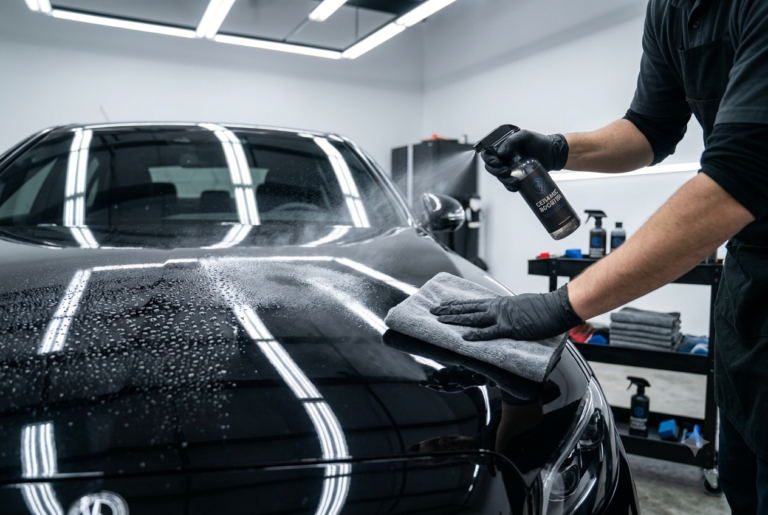
Top-tier detailing studios do not let high-solids coatings air-dry at room temperature. They use high-intensity short-wave infrared curing lamps to bake each panel at precise temperatures around 60 degrees Celsius, or 140 degrees Fahrenheit, accelerating molecular cross-linking to reach maximum hardness before the car ever leaves the bay. This equipment and the controlled facility it requires add measurably to ceramic coating cost, but they’re also what separates a durable, multi-year result from a streaky, prematurely failing one.
5. Add-On Surface Protection Packages
Complete vehicle packages often extend beyond the painted sheet metal, and each add-on shifts the total ceramic coating cost accordingly. Wheel-off coating for barrels and brake calipers typically runs $300 to $600. All-glass hydrophobic coating typically runs $150 to $300. Interior leather and fabric nanocoating typically runs $250 to $500. Plastic trim restoration and sealing typically runs $100 to $200.
Cost Comparison: Professional Ceramic Coating vs. Regular Waxing
While an initial ceramic coating cost of $1,500 or more can feel substantial, comparing it to recurring traditional detailing over a five-year ownership window reveals real financial value.
| Expense Category | Traditional Waxing Routine (5 Years) | Professional Ceramic Coating (5 Years) |
|---|---|---|
| Service Frequency | Professional wax every 8-10 weeks (about 30 times) | 1 professional installation plus annual inspection |
| Average Cost Per Visit | $120-$180 per wax detail | $1,500 initial plus $150/year maintenance check |
| Total 5-Year Cost | $3,600-$5,400 | $2,100-$2,250 |
| Labor Time Wasted | Dozens of shop visits or DIY weekends | Minimal (quick routine hand washes at home) |
| Paint Protection Grade | Low (melts in summer, strips easily) | Maximum (chemical, UV, and micro-marring defense) |
Framed this way, the upfront ceramic coating cost actually works out lower than five years of traditional waxing, while delivering dramatically stronger protection throughout that period. For a deeper look at this trade-off, our ceramic coating vs wax comparison covers the full performance picture beyond just price.
Beware the “$299 Complete Ceramic Coating” Deal
If an express car wash or mobile detailer advertises a complete ceramic coating for under $300, proceed with caution. A ceramic coating cost that low almost always signals a few shortcuts. They are almost certainly spraying on an inexpensive, diluted SiO2 quick-detailer spray that washes off within weeks rather than a true professional coating. They are typically skipping the multi-stage machine paint correction, locking dirt and scratches under the finish permanently. They usually lack dedicated cleanrooms and infrared curing lamps, resulting in streaky high spots and premature peeling within a short time.
True paint preservation is a meticulous craft where skipping preparation directly degrades the end result, no matter how low the advertised ceramic coating cost looks on a flyer or a drive-through sign.
How to Get an Accurate Ceramic Coating Cost Quote
Because so many variables affect the final number, the most reliable way to understand your own ceramic coating cost is an in-person paint inspection rather than a phone estimate or a generic online calculator. A reputable installer will typically assess the vehicle’s current paint condition under proper lighting, discuss which tier of coating and which add-ons make sense for your driving habits and ownership timeline, and provide a written quote that breaks down labor, product, and any optional add-on protection separately.
Be cautious of any installer unwilling to physically inspect the vehicle before quoting a firm ceramic coating cost, since paint condition is the single largest variable in the entire pricing equation, and it simply cannot be assessed accurately over the phone.
Regional Price Variations Worth Knowing
Pricing for the same tier of coating can also shift based on where you live, which is worth factoring into any research on typical ceramic coating cost.
Major metro areas with a higher cost of living and a dense concentration of certified studios, such as parts of the Atlanta metro, tend to sit at the upper end of national averages for a given tier, reflecting higher facility overhead, more experienced technicians, and stronger demand. Smaller markets with fewer certified installers sometimes price slightly lower, but the tradeoff can be less competition driving quality standards and fewer options if something goes wrong with the installation.
It’s also worth noting that mobile detailing services, where a technician travels to your home or office rather than working out of a dedicated studio, sometimes advertise lower prices for what appears to be the same package. In many cases, this lower price reflects a genuine reduction in overhead. In other cases, it reflects skipped cleanroom conditions or curing equipment that a fixed studio location can provide, which circles back to the same “too good to be true” caution outlined above.
How Vehicle Age Affects the Final Number
Beyond simple wear and tear, a vehicle’s age interacts with pricing in a few less obvious ways. Older vehicles sometimes have thinner remaining clear coat from previous machine polishing sessions over the years, which limits how aggressively a technician can safely correct swirl marks without risking burn-through, occasionally resulting in a lower correction estimate simply because less correction is safe to perform.
Conversely, vehicles with extensive prior paint damage, such as unrepaired clear coat failure or improperly repaired body panels, may require bodywork or touch-up paint before a coating can even be considered, adding cost outside the scope of the detailing quote itself.
Newer vehicles typically sit at the more predictable end of the pricing spectrum, since factory clear coat is generally in its best possible condition and requires the least correction labor, which is one reason many owners choose to invest in coating during the first few months of ownership rather than waiting.
A Practical Way to Budget for Ceramic Coating Cost
Rather than treating the decision as a single yes-or-no purchase, it helps to think about ceramic coating cost the same way you’d think about any other multi-year vehicle expense, such as tires or a major service interval. Setting aside a portion of the expected cost in the months leading up to a planned installation, timed around a tax refund, a bonus, or simply a slower spending month, tends to make the decision feel far less like a single large hit and more like a planned investment in the vehicle’s long-term condition.
Some owners also choose to start with the intermediate tier and upgrade to a flagship-level reapplication down the road once the first coating naturally reaches the end of its service life, spreading the total investment across a longer ownership period rather than committing to the top tier immediately.
Questions to Ask Before Accepting Any Quote
Before signing off on a quote, a short list of questions can help confirm you’re getting a fair and accurate number rather than a lowball estimate that grows once work begins. Ask whether the quote includes a firm price or an estimate that could increase after inspection, and if so, under what specific circumstances. Ask how many hours of paint correction are included, and whether additional hours beyond that estimate are billed separately or capped.
Ask which specific coating product and tier will be used, by name, rather than a vague reference to “ceramic coating,” since this single detail explains most of the price difference between competing quotes. Ask whether the facility uses infrared curing lamps or relies on ambient air-drying, since this affects both the final hardness of the cured coating and how soon the vehicle can be driven and washed safely.
A detailer who answers these questions clearly and specifically, without vague reassurances, is generally a good sign of a transparent, well-run operation regardless of where their price lands within the typical ranges outlined above.
Is Ceramic Coating Cost Covered by Insurance or Financing?
Many owners are surprised to learn that ceramic coating cost isn’t always an out-of-pocket expense in every scenario. Comprehensive insurance policies frequently cover the replacement cost of professional ceramic coatings and PPF if a vehicle is damaged in an accident, provided the owner retains certified installation invoices and warranty documentation.
Most reputable high-end detailing studios also offer flexible payment and financing options, allowing the ceramic coating cost to be split into manageable monthly installments rather than paid as a single lump sum.
Frequently Asked Questions
Is ceramic coating worth the cost on a brand-new car?
Yes. Brand-new cars have the highest remaining clear coat thickness and minimal paint defects, requiring fewer correction hours, which lowers ceramic coating cost at installation while locking in factory paint condition from day one.
Does car insurance cover the cost of a ceramic coating?
Yes, many comprehensive insurance policies cover the replacement cost of professional ceramic coatings and PPF if your vehicle is damaged in an accident, provided you retain certified installation invoices and warranty documentation.
Can I finance my ceramic coating installation?
Most reputable high-end detailing studios offer flexible payment and financing options, allowing you to split the ceramic coating cost into low monthly installments rather than paying the full amount upfront.
Why does ceramic coating cost vary so much between shops for the “same” product?
Because the product itself is only a small fraction of the total price. Two shops using the identical coating brand can have wildly different ceramic coating cost quotes based on labor hours spent on paint correction, whether the facility has proper cleanroom and IR curing equipment, and the installer’s certification level.
Does a higher ceramic coating cost always mean better results?
Generally yes, within reason, since higher pricing at reputable studios typically reflects more correction hours, better equipment, and certified product access. That said, an unusually high quote with no clear breakdown of labor and materials is worth questioning just as much as a suspiciously low one.
Get a Transparent, Tailored Quote at Red’s Detail Co.
At Red’s Detail Co., we believe in honest pricing without hidden fees or gimmicks. Every vehicle that enters our Marietta studio receives a comprehensive paint-depth inspection and clear-coat assessment before we recommend a tailored protection plan and an accurate ceramic coating cost estimate.
Ready to protect your vehicle with CQuartz Finest Reserve? Contact Red’s Detail Co. today to schedule a consultation and get your customized quote.
Related Reading on Our Site
- Top 10 Ceramic Coating Benefits
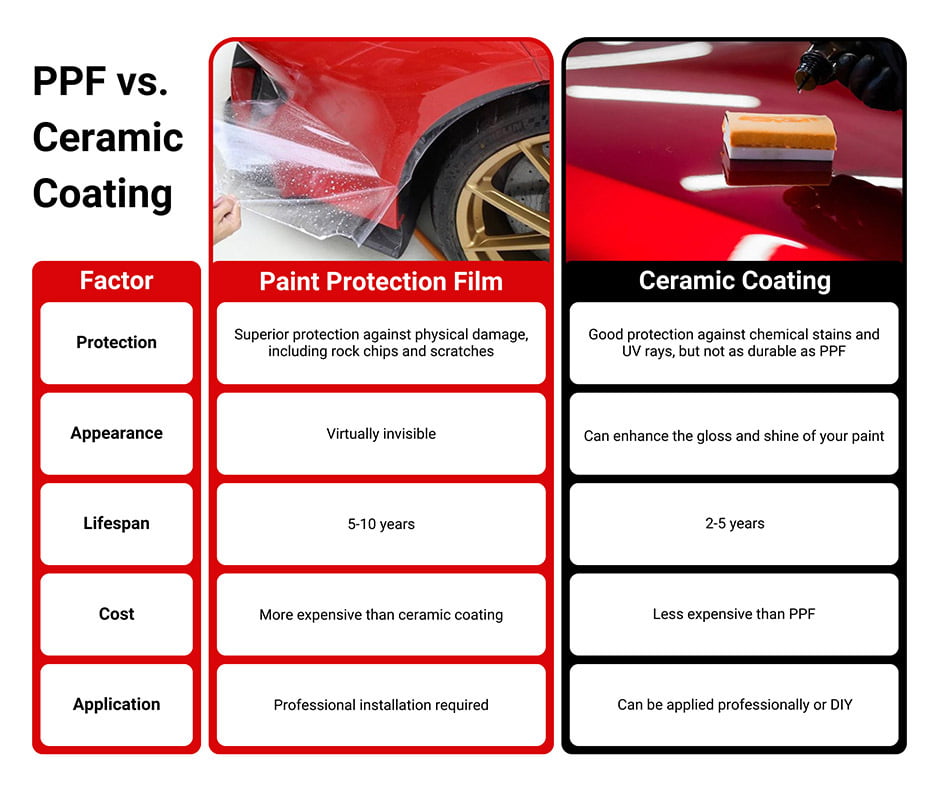
- Ceramic Coating vs PPF: Which Is Right for Your Car
- How Long Does Ceramic Coating Really Last
- What Is CQuartz Finest Reserve
- How to Wash and Maintain a Ceramic Coated Vehicle
- Is Ceramic Coating Scratch-Proof? Myths and Realities
- Ceramic Coating vs Wax: Which Is Worth the Investment
- Book a Consultation