How Does a Hydraulic Floor Jack Work?
Changing a tire or handling basic repairs can be frustrating when lifting your vehicle feels difficult or unsafe. You’re not alone—many drivers struggle to understand how a hydraulic floor jack works. The right jack makes the job easier, but knowing how it operates is just as important.
A hydraulic floor jack uses Pascal’s law to lift your vehicle with manageable effort. When you pump the handle, a small piston pressurizes hydraulic fluid and sends it to a larger lifting cylinder.
The larger piston produces greater force, extending the ram and raising the saddle against the vehicle’s approved lifting point.
Opening the release valve returns fluid to the reservoir and lowers the vehicle.
Always use the jack on firm, level ground and support the vehicle with jack stands.
The sections below explain safe use and maintenance.
Key Takeaways
- A hydraulic floor jack uses Pascal’s law to multiply force through pressurized, incompressible hydraulic fluid.
- Pumping the handle moves a small piston, drawing fluid from the reservoir and forcing it into the lifting cylinder.
- Pressure acting on the larger cylinder creates enough upward force to extend the ram and raise the vehicle.
- The ram pushes a pivoting lifting arm and saddle, which contact the vehicle’s approved lifting point.
- Opening the release valve returns fluid to the reservoir, lowering the vehicle. Jack stands must support it during work.
How Does a Hydraulic Floor Jack Work?
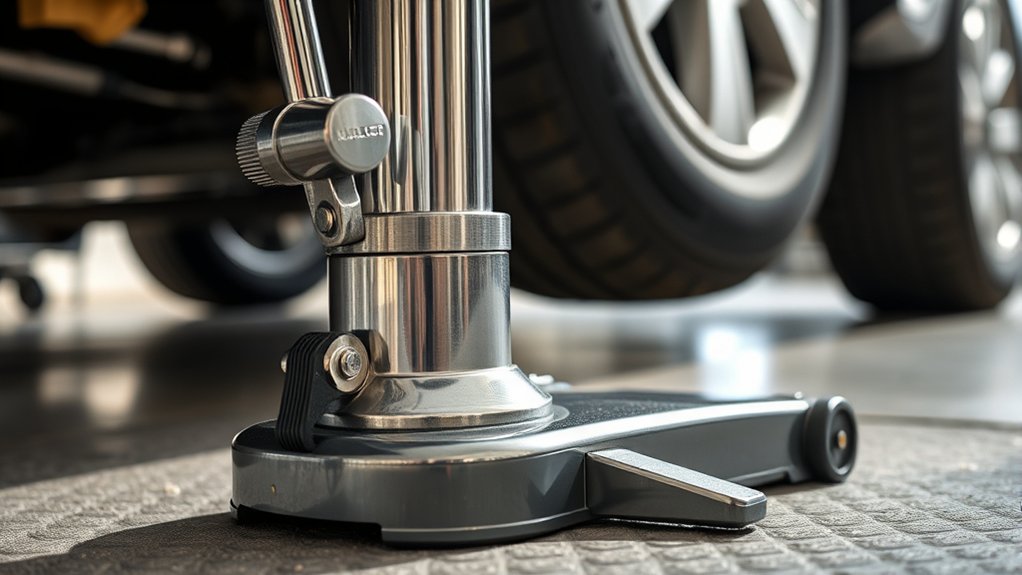
A hydraulic floor jack uses Pascal’s law to multiply the force you apply to its handle. When you pump the handle, you move a small piston inside the pump chamber.
That action pressurizes hydraulic fluid and sends it through an internal passage toward a larger lifting cylinder. Because the larger piston has more surface area, the same pressure produces greater upward force, raising the saddle and your vehicle.
When you stop pumping, a valve holds the pressure, so the jack keeps the load elevated. To lower it, you turn the release control gradually.
This lets the fluid return to its reservoir and lowers the vehicle in a controlled manner. You should place the jack on firm, level ground and use it only within its rated capacity.
Vintage designs may require slower, more deliberate pumping, but they follow the same pressure principle. Never work beneath a vehicle supported only by a jack; position approved stands before you begin.
Which Parts Make a Floor Jack Work?
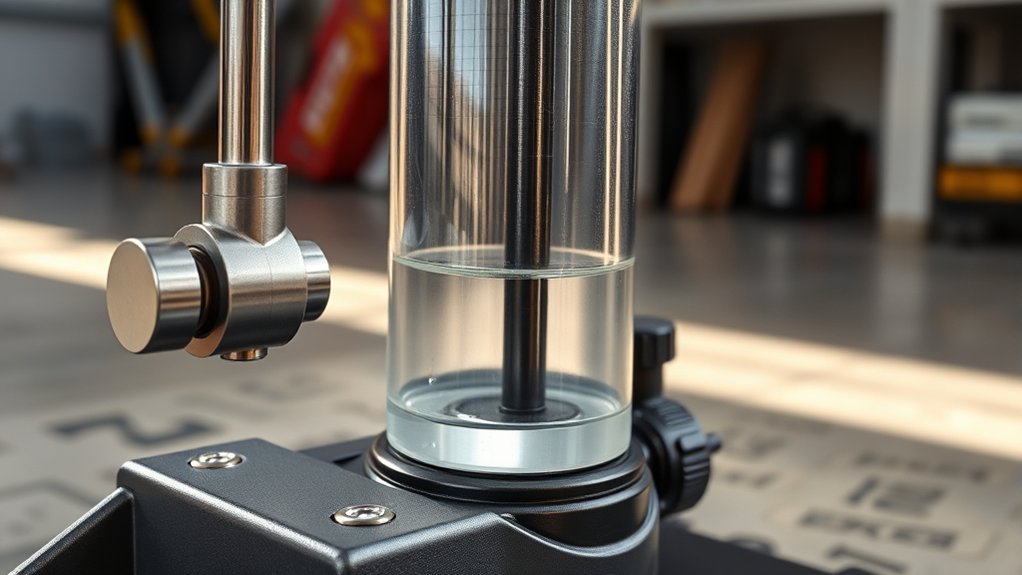
Inside a hydraulic floor jack, three key systems work together. The hydraulic pump assembly creates pressure, and the lifting arm mechanism uses that pressure to raise your vehicle. When it’s time to lower the vehicle, the release valve system controls the descent safely.
Hydraulic Pump Assembly
How does a hydraulic floor jack turn a few strokes of its handle into lifting power? The hydraulic pump assembly answers that question. When you move the handle, it drives a small piston inside the pump cylinder.
On the downstroke, the piston pressurizes Hydraulic fluid. On the return stroke, an inlet check valve lets more fluid enter. An outlet check valve then directs pressurized fluid toward the reservoir’s connected hydraulic circuit, preventing backflow.
The pump body contains these passages, valves, seals, and the cylinder in one compact unit. A release valve controls pressure by allowing fluid to return when you lower the jack.
Keep the assembly clean and inspect seals during Pump maintenance. Use the manufacturer’s specified fluid, because contamination or the wrong viscosity can weaken pumping action and cause leaks.
Lifting Arm Mechanism
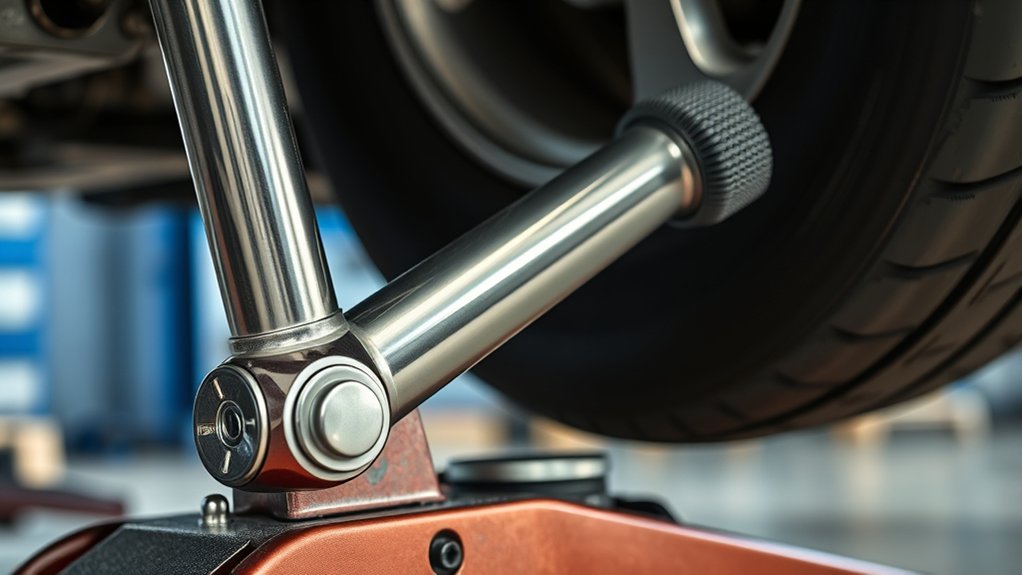
Once hydraulic pressure builds, the lifting arm mechanism converts that force into upward movement. You’ll see the hydraulic cylinder push against the lifting arm, a strong, pivoting steel member beneath the saddle.
As the cylinder extends, the arm rotates around its frame-mounted pivot points. This movement raises the saddle smoothly while distributing the vehicle’s weight through the jack’s sturdy frame.
Hydraulic fluid supplies the pressure, but the arm’s geometry provides the mechanical advantage that lets you lift heavy loads with manageable pumping effort.
Rollers or wheels support the frame and allow the jack to follow the vehicle’s slight movement as it rises.
Before lifting, follow safety precautions: position the saddle correctly, use a level surface, and confirm the vehicle’s weight stays within the jack’s rated capacity.
Never place any part of your body beneath a vehicle supported only by the jack.
Release Valve System
The release valve system controls how the hydraulic floor jack lowers its saddle after the lifting arm raises the load. When you turn the release handle slowly, you open a passage inside the valve.
Hydraulic fluid then flows from the cylinder back into the reservoir, allowing the piston and saddle to descend in a controlled motion. Turning the handle farther increases the flow rate and lowers the vehicle faster.
You should always release pressure gradually, especially while positioning the vehicle over support stands. A properly functioning valve prevents sudden drops, improving jack stability during lowering.
Before working beneath the vehicle, close the valve fully and confirm that the saddle stays raised. If the jack leaks or lowers by itself, stop using it and inspect the valve, seals, and fluid level.
How Does Pascal’s Law Boost Lifting Force?
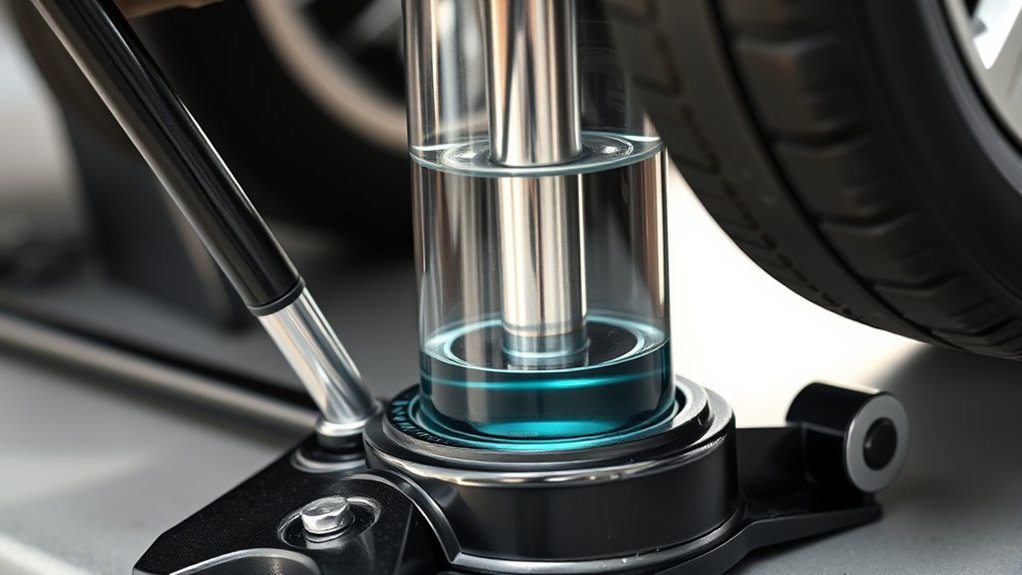
When you pump the handle, the hydraulic fluid transfers pressure evenly throughout the system. The small piston creates the pressure, and the larger piston multiplies that force, making it strong enough to lift your vehicle.
Pressure Transfers Evenly
How does a hydraulic floor jack lift a heavy vehicle with relatively little effort? Pascal’s law explains it: pressure applied to a confined fluid travels evenly in every direction.
When you pump the handle, you create pressure in the hydraulic oil. That pressure reaches the lifting mechanism, allowing your effort to move the vehicle smoothly.
You don’t need to understand every internal passage to use the jack correctly; watch for steady movement and leaks.
| Action | Fluid response | Result |
|---|---|---|
| Pump handle | Pressure rises | Ram moves |
| Open valve | Pressure releases | Vehicle lowers |
| Check oil | Flow stays consistent | Operation remains smooth |
Common maintenance, such as replacing contaminated oil, helps preserve reliable pressure transfer.
Follow safety precautions, including using jack stands and placing the jack on firm, level ground. Never rely on hydraulic pressure alone beneath a vehicle.
Larger Pistons Multiply Force
A hydraulic floor jack boosts lifting force by using a small pump piston to create pressure in a larger lifting piston. When you move the handle, the small piston pushes hydraulic fluid through the sealed system.
Pascal’s law distributes that pressure evenly, but the larger piston has more surface area. As a result, it produces greater upward force than you apply at the pump.
You can lift a heavy vehicle with manageable effort because the jack trades speed for power. The small piston moves more often, while the lifting piston rises gradually.
The jack’s rated capacity still matters, so never exceed it or rely on hydraulic pressure alone. During jack maintenance, inspect seals, check fluid levels, and remove trapped air.
Clean components help preserve pressure and lifting performance.
How Does the Pump Build Hydraulic Pressure?
Each stroke of the jack’s handle drives a small piston inside the pump, which forces hydraulic fluid through an inlet check valve and into the lift cylinder. When you release the handle, the piston returns, creating a slight vacuum that draws more fluid from the reservoir through an intake valve.
Push the handle again, and the inlet valve closes while the outlet valve opens, sending another measured volume forward. Because the fluid can’t compress, repeated strokes steadily increase pressure within the sealed circuit.
The pump’s narrow passages and valves control flow, preventing fluid from rushing backward between strokes. A relief valve protects the system if pressure rises beyond its safe limit, directing excess fluid back to the reservoir.
You’ll feel resistance increase as pressure builds, so use smooth, controlled strokes. Keep the jack on a firm, level surface to support jack stability and prevent shifting during operation.
How Does the Ram Raise the Vehicle?
Once pressure reaches the lift cylinder, hydraulic fluid pushes against the ram’s piston, forcing it upward. As the ram extends, it transfers force through the lifting arm and saddle.
Hydraulic pressure drives the ram upward, transferring lifting force through the arm and saddle to raise the vehicle.
The saddle contacts your vehicle’s approved lifting point, so the arm’s movement raises that section smoothly. Because the jack multiplies your pumping effort through hydraulic pressure, you can lift a heavy vehicle with relatively little force.
The ram continues rising as you operate the pump, increasing the gap between the vehicle and the floor. Keep the saddle centered and guarantee it stays fully engaged with the lifting point.
Maintenance tips include checking the ram for corrosion, inspecting seals for leaks, and keeping the cylinder clean.
Follow essential Safety precautions: lift only on a firm, level surface, never exceed the jack’s rated capacity, and keep your hands and feet clear of moving parts.
Once you reach the needed height, support the vehicle with properly rated jack stands before working underneath it. Never rely on the hydraulic ram alone.
How Do the Valves Control Lifting and Lowering?
When you pump the handle, the inlet valve opens and allows hydraulic fluid to flow into the cylinder. As pressure builds, it pushes the ram upward and lifts your vehicle.
To lower the vehicle, open the release valve. The fluid flows back into the reservoir, allowing the ram to descend safely.
Inlet Valve Opens
As you pump the handle, the inlet valve opens and lets hydraulic fluid flow from the reservoir into the pump cylinder. This one-way valve admits fluid when the piston moves back, creating lower pressure inside the cylinder.
When you push the handle down, the piston moves forward and forces that fluid toward the lifting cylinder through another valve. The inlet valve closes during this stroke, preventing fluid from returning to the reservoir.
Each pump adds a measured amount of fluid to the lifting circuit, gradually raising the jack’s saddle and your load. Clean fluid and a properly sealed inlet valve support pump efficiency, so the jack lifts smoothly with less effort.
If air or dirt interferes with the valve, pumping may feel spongy, and the jack might rise slowly or unevenly.
Release Valve Lowers
After the inlet valve closes and fluid enters the lifting circuit, the release valve controls how the jack comes down. When you turn the handle counterclockwise, you open this valve gradually.
Pressurized hydraulic fluid then flows from the cylinder back into the reservoir, allowing the piston and vehicle to descend. The farther you turn the handle, the wider the opening and the faster the lowering speed.
You should turn it slowly to maintain control and prevent sudden movement. Closing the handle stops the flow, so the jack can hold the load at a chosen height.
During lifting, the pump mechanism forces fluid into the cylinder while check valves prevent reverse flow. During lowering, the release valve provides the controlled return path.
Always lower the jack onto stands before working underneath.
How Much Weight Can a Floor Jack Lift?
A floor jack’s lifting capacity typically ranges from 2 to 3 tons, though heavy-duty models can support 4 tons or more. You’ll find the rated capacity printed on the jack, its packaging, or the manufacturer’s specifications.
One ton equals 2,000 pounds, so a 3-ton jack can theoretically lift 6,000 pounds. However, you shouldn’t choose a jack based only on a vehicle’s total curb weight.
Since you’re lifting one end or corner, calculate the portion supported by the jack, then select a model with additional capacity. A higher rating can provide greater stability and reduce strain on the hydraulic system.
Keep in mind that capacity doesn’t describe the jack’s maximum lifting height or its ability to support a load indefinitely. Jack maintenance helps preserve the rated performance by keeping components clean and checking for leaks.
Follow the manufacturer’s Safety precautions and capacity limits, and use separate supports whenever a raised vehicle must remain off the ground.
How Do You Use a Hydraulic Floor Jack Safely?
Use a hydraulic floor jack safely by parking on a level, solid surface, engaging the parking brake, and placing wheel chocks on the opposite wheels. Check your vehicle’s owner’s manual for approved lifting points, then position the jack carefully beneath the correct point.
Keep your hands, feet, and clothing away from moving parts, and pump the handle smoothly instead of forcing it.
Follow these safety tips before lifting:
- Read the jack’s instructions and never exceed its rated capacity.
- Apply inspection guidelines: check for leaks, bent components, damaged wheels, and a secure release valve.
- Center the saddle under the lifting point, and raise the vehicle slowly while watching for shifting.
Never work beneath a vehicle supported only by a hydraulic jack. After lifting, use properly rated jack stands on solid, manufacturer-approved support points, then lower the vehicle gradually when finished.
Keep bystanders away, and don’t leave a raised vehicle unattended. Store the jack clean, dry, and fully lowered.
Why Are Jack Stands Essential?
Hydraulic jacks can lose pressure or shift unexpectedly, so jack stands provide the stable, mechanical support needed to keep a raised vehicle from falling.
When you work beneath a vehicle, position stands on solid, level ground and place them beneath the manufacturer’s recommended support points. Lower the vehicle slowly onto the stands, then give it a careful shake to confirm stability before you crawl underneath.
Never rely on the hydraulic jack alone, because its seals, valve, or wheels can fail without warning. Choose stands rated for your vehicle’s weight, and use a matching pair to distribute the load evenly.
Keep the jack nearby only as a backup, not as your primary support. Include stand inspection in your jack maintenance routine, checking for bent parts, cracks, rust, or damaged locking mechanisms.
These safety precautions reduce crushing hazards and give you a dependable platform for repairs. Once the vehicle rests securely, you can work with greater confidence and control.
How Do You Maintain and Troubleshoot a Floor Jack?
Regular maintenance keeps your floor jack reliable and helps you catch problems before they create a safety hazard. Inspect the frame, wheels, handle, saddle, and hydraulic fittings before each use.
Clean dirt from moving parts, then lubricate pivot points with the manufacturer’s recommended oil. Check the hydraulic fluid level and add only the specified fluid; never mix products.
- Surface compatibility: Use the jack on a firm, level surface that can support its load. Avoid gravel, wet floors, slopes, or soft asphalt.
- Storage tips: Lower the saddle completely, release hydraulic pressure, wipe away moisture, and store the jack indoors with its handle secured.
- Troubleshooting: If the jack won’t lift, check the release valve, fluid level, and rated capacity. If it slowly lowers, inspect for leaks, tighten fittings carefully, and bleed trapped air according to the manual.
Don’t use a damaged jack or improvise repairs. Replace worn seals or bent components through a qualified service center.
Always support the vehicle with jack stands before working underneath it.
Frequently Asked Questions
Can Hydraulic Floor Jacks Be Used on Uneven or Sloped Surfaces?
You shouldn’t use hydraulic floor jacks on uneven or sloped surfaces unless you can create a firm, level base first. Surface stability matters because the jack may roll, tilt, or slip under load.
Check your vehicle’s manual, position the jack on solid pavement, and verify Jack positioning before lifting. Use properly rated jack stands on level ground afterward.
Never rely on the hydraulic jack alone, and don’t work beneath a vehicle supported only by it.
How Long Do Hydraulic Floor Jacks Typically Last?
You can expect a quality hydraulic floor jack to last 5–10 years with regular use, and longer with careful maintenance. Maintenance tips include keeping it clean, storing it dry, lubricating moving parts, checking fluid levels, and avoiding overloads or uneven surfaces.
Common issues include leaks, worn seals, rust, and slow lifting. Inspect your jack before every use, replace damaged components promptly, and retire it if it won’t hold pressure safely.
Are Aluminum Floor Jacks Better Than Steel Models?
Choosing between aluminum and steel floor jacks is like choosing between a sprinter and a weightlifter. For Material comparison, aluminum gives you a major Weight difference advantage, making transport and positioning easier, while steel delivers greater durability, stability, and typically lower cost.
You’ll prefer aluminum for portability and occasional use; choose steel for frequent shop work, heavier vehicles, and maximum longevity. Neither material automatically performs better. The right choice depends on your priorities.
Can a Hydraulic Floor Jack Be Stored Horizontally?
Yes, you can store a hydraulic floor jack horizontally, but you should follow the manufacturer’s instructions first. For safe Storage orientation, keep the jack fully lowered, secure its handle, and place it on a stable, level surface.
Horizontal placement may prevent tipping, yet prolonged sideways storage can let hydraulic fluid migrate or leak through seals. If possible, store it upright in a dry area, away from heat, moisture, and corrosive chemicals.
What Safety Certifications Should You Look for When Buying One?
Look for recognized manufacturing standards, such as ASME PASE-2019, when you buy a hydraulic floor jack. Check the label or manual for compliance, rated capacity, and testing information.
You should also verify clear safety labels showing lifting limits, warning instructions, and proper contact points. Choose a model certified or tested by a reputable independent organization, when applicable.
Don’t rely solely on a seller’s claims. Confirm the documentation, and avoid damaged or unlabeled jacks.
Conclusion
A hydraulic floor jack turns a small pumping effort into powerful lifting force through Pascal’s law. Its pump pressurizes oil, the ram rises, and the saddle lifts your vehicle smoothly.
Always check the jack’s capacity, place it on solid ground, and lower the vehicle onto jack stands before working underneath. Inspect seals, fluid, and release valves regularly so problems don’t catch you off guard.
With proper care and safe habits, your hydraulic floor jack will pull its weight.