
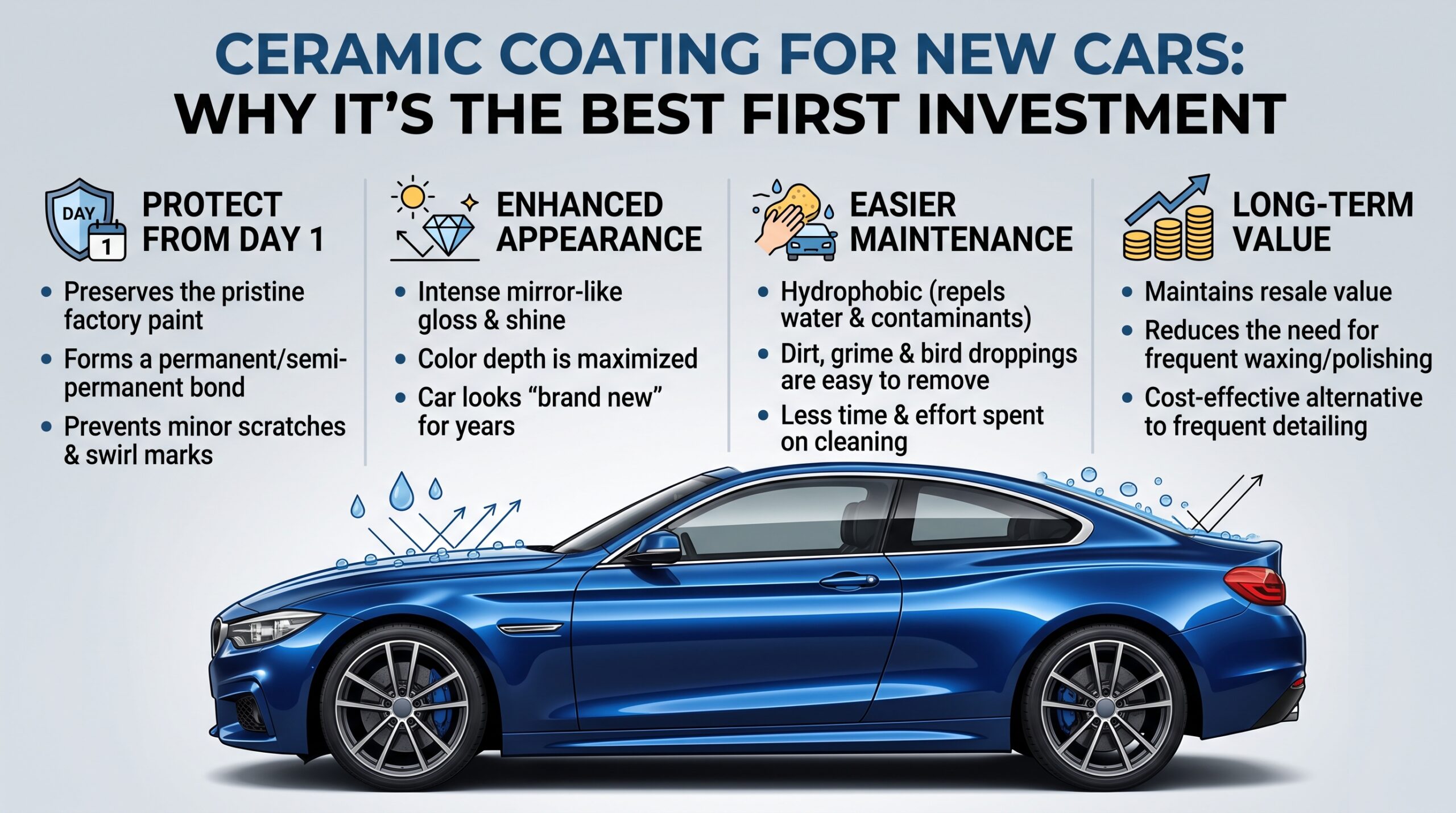
Why You Should Apply Ceramic Coating to a Brand-New Car Immediately
Quick Answer: Ceramic coating for new cars is most cost-effective and protective when applied on day one, before the factory clear coat picks up any transit dust, dealership prep-wash swirls, or road exposure. Waiting even a year or two means paying more for correction labor later and risking permanent damage that could have been prevented from the start.
Driving a brand-new vehicle off the dealership lot is an exciting milestone. The odometer reads single digits, the interior carries that distinct new-car scent, and the exterior finish appears immaculate under the showroom lights. Because the car is brand new, many owners assume the paint is fresh and perfect, and that they can wait a year or two before investing in paint protection.
In the professional detailing world, waiting is one of the most expensive mistakes a car owner can make. In reality, the day you take delivery of your vehicle is the single best, most cost-effective time to consider ceramic coating for new cars. Here is why applying a nanocoating immediately preserves your vehicle’s factory clear coat, prevents irreversible damage, and saves you money over the life of your ownership.
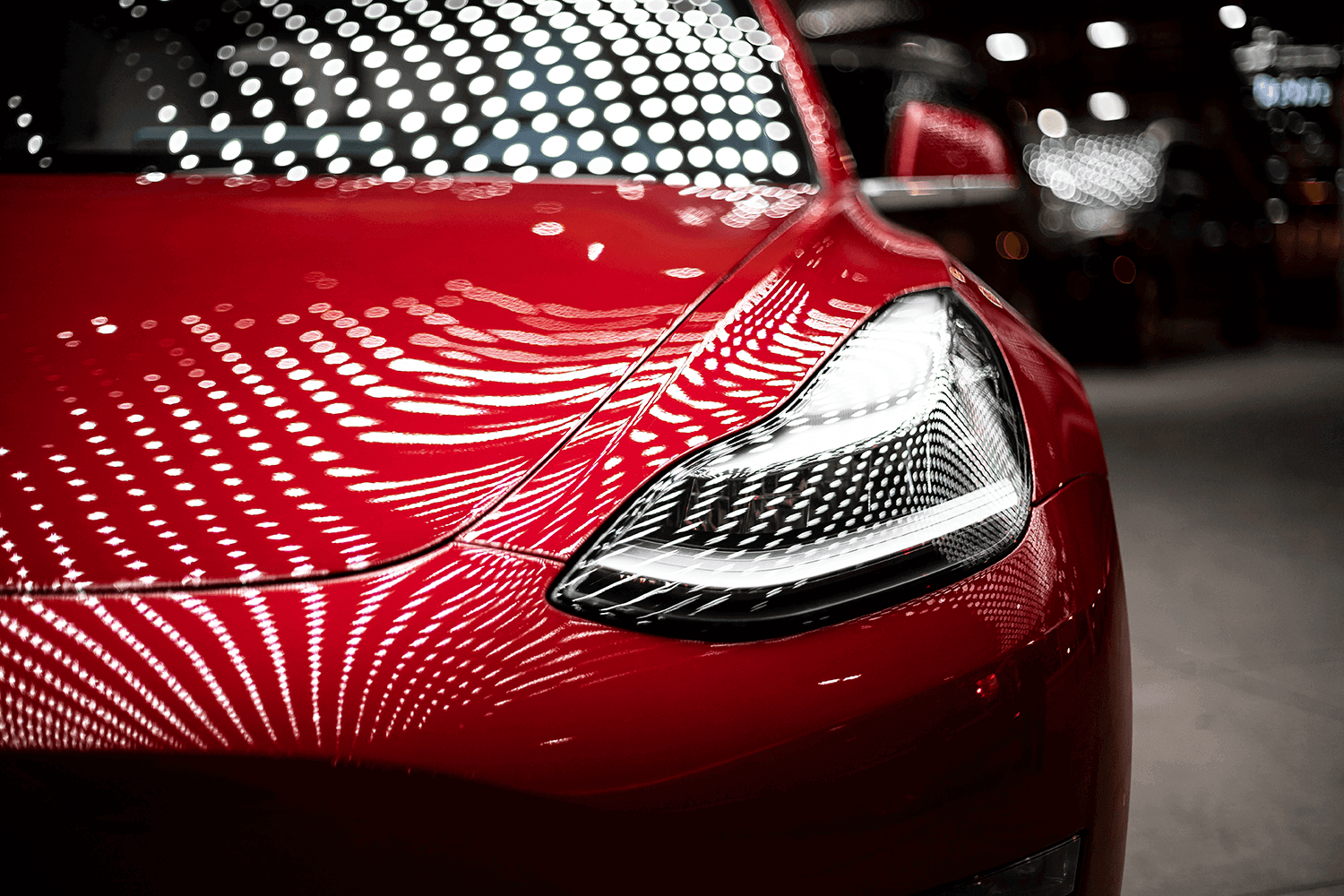
1. Locking in Factory Clear Coat at Maximum Thickness
Automotive clear coats applied by modern manufacturers are thinner than ever, often measuring only 35 to 50 microns thick, roughly the thickness of a single Post-it note.
Every time an unprotected vehicle accumulates swirl marks, acid-rain etching, or water spot scars, a detailer must compound and polish away a portion of that thin clear coat to restore flatness. Each correction session, however necessary, permanently removes a bit of the factory clear coat’s original thickness.
This is the core argument for ceramic coating for new cars: applying the coating immediately seals the clear coat at its maximum factory thickness. The coating acts as a sacrificial, semi-permanent nanoglass barrier, taking the brunt of environmental degradation so your factory paint never has to.
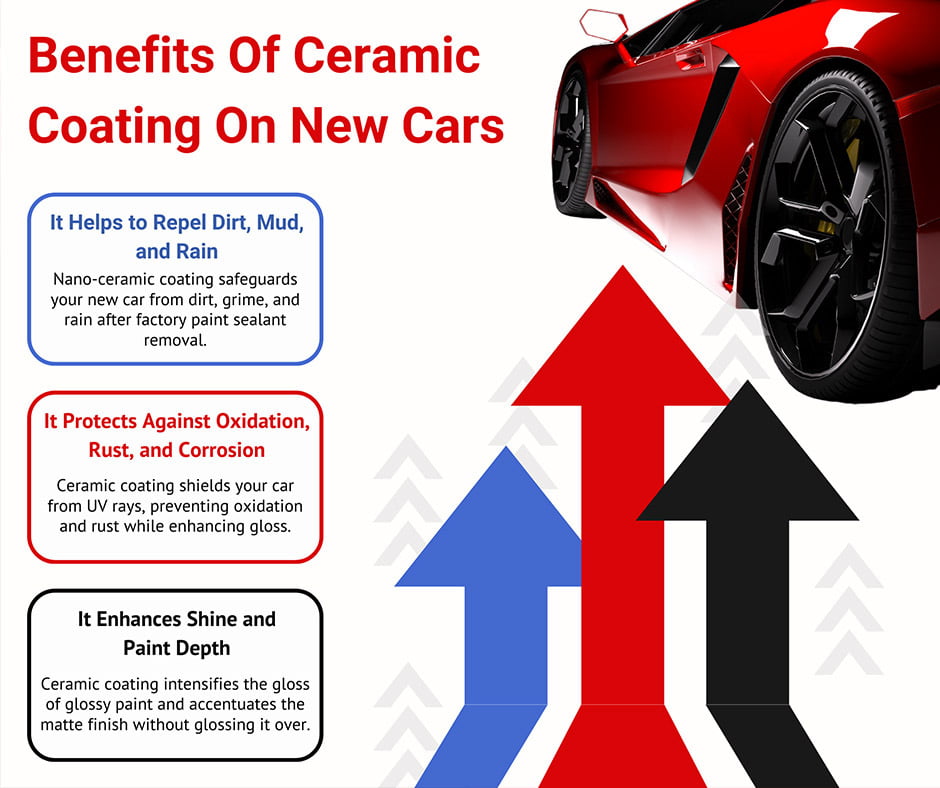
2. Brand-New Cars Are Rarely “Flawless” (The Dealership Reality)
Many buyers are surprised to learn that new cars rarely arrive from the dealership in pristine cosmetic condition. Before reaching the showroom floor, a new car undergoes transit rail dust and industrial fallout, where rail cars and transport trailers spray metallic iron particles onto the hood and roof. Protective transit plastic wraps also leave adhesive residue and gummy contaminants behind.
On top of that, improper dealership prep washes are common, since lot attendants frequently use coarse, dirty brushes and old wash mitts to wipe down dozens of cars rapidly, introducing visible swirl marks and spider-webbing before the first customer test drive.
Applying ceramic coating for new cars right away involves an essential professional decontamination and a single-stage refinement polish, eliminating transit fallout and dealership defects before they can oxidize into the paint permanently.
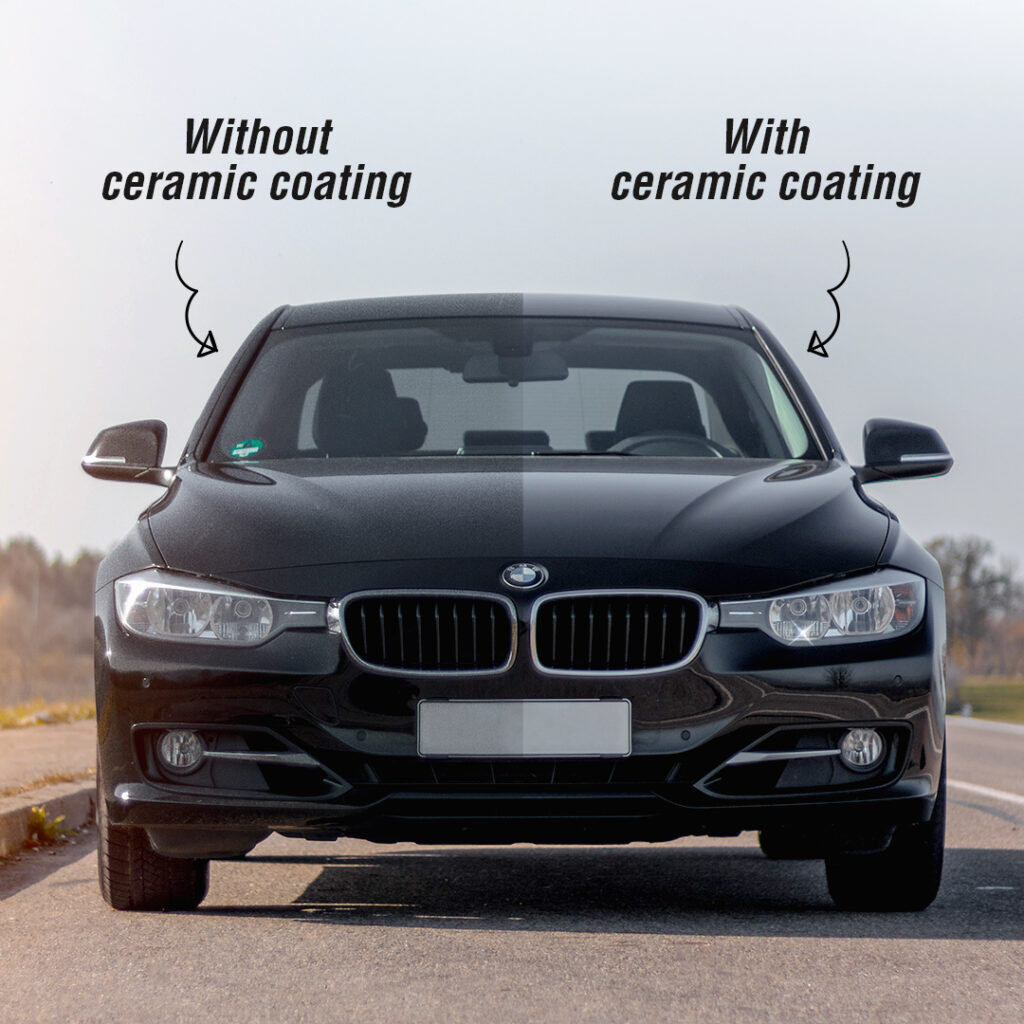
3. Substantial Cost Savings on Paint Correction Labor
The price of a professional ceramic coating package is primarily dictated by labor hours spent polishing the paint, not the liquid product itself.
| Vehicle Age at Installation | Paint Surface Condition | Correction Labor Needed | Overall Cost Impact |
|---|---|---|---|
| Day one (brand new) | Minor transit dust and minimal marring | 3-6 hours (light polish) | Lowest installation cost |
| 1-2 years of daily driving | Swirl marks, minor scratches, light etching | 10-16 hours (multi-stage compound) | Moderate cost (+30-50%) |
| 3-plus years unprotected | Deep scratches, heavy oxidation, water spots | 20-30-plus hours (heavy correction / wet sand) | Highest cost (+75-100%) |
This table is the clearest financial case for ceramic coating for new cars: coating a vehicle immediately means avoiding intensive multi-stage compounding and heavy paint restoration down the road, which our full ceramic coating cost breakdown covers in more detail.
4. Immediate Defense Against Permanent Chemical Etching
A new vehicle’s clear coat is completely exposed to chemical hazards from its very first highway trip. Uric acid from bird droppings bakes onto hot paint in summer, causing permanent clear coat etching within hours.
Bug acids, the highly acidic proteins from highway insects, dissolve clear coats on contact. Industrial brake dust and iron particles, meanwhile, embed themselves directly into unsealed paint pores as tiny hot metal shards.
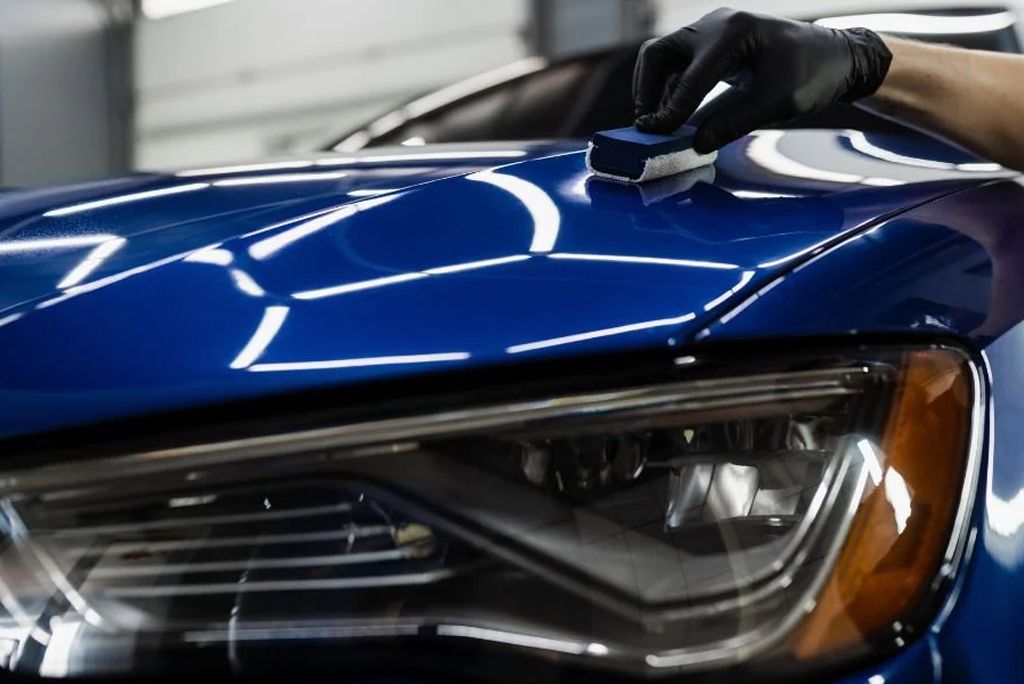
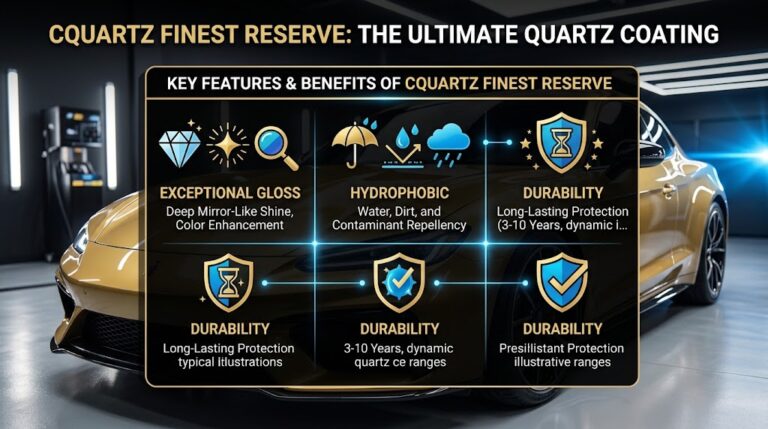
A professional nanocoating, such as CQuartz Finest Reserve, delivers a chemical barrier rated roughly from pH 2 to pH 13, giving you the necessary safety margin to rinse off harsh contaminants before permanent surface damage occurs. This chemical protection window is one of the most compelling reasons to consider ceramic coating for new cars before the first road trip rather than after.
5. Dealership “Paint Protection” Add-Ons vs. Professional Ceramic Studios
During the purchase process, the dealership finance office will often offer an add-on paint protection package costing anywhere from $800 to $1,500. It’s crucial to understand how this differs from certified detailing before comparing it to genuine ceramic coating for new cars.
The dealership package is typically applied by minimum-wage lot personnel in 15 to 20 minutes without proper paint decontamination. It’s usually a cheap synthetic silicone sealant or spray wax that washes away in 3 to 6 months, and it’s sold primarily as an insurance markup product rather than genuine surface engineering.
The certified studio package, by contrast, is applied by trained craftsmen in a climate-controlled cleanroom. It includes chemical iron fallout removal, clay bar decontamination, and machine polishing, and it uses certified high-solids nano-epoxy formulations backed by infrared heat curing and transferable manufacturer warranties.
6. Effortless Cleaning for the Life of the Vehicle
New car owners love keeping their vehicles clean, but traditional washing can be time-consuming and introduces wash-swirls if done incorrectly. A brand-new car treated with ceramic coating features extreme hydrophobic surface tension, with a contact angle exceeding 100 degrees. Road grime, brake dust, and mud struggle to cling to the slick quartz matrix.
As much as 70 percent of topical grime lifts away during the pre-rinse phase alone, and owners never need to spend weekends buffing on paste waxes or synthetic sealants again. Water also sheets cleanly off panels, cutting routine wash times roughly in half. Our full ceramic coating maintenance guide covers the safe wash routine that keeps this performance intact for years.
7. Maximizing Resale and Trade-In Appraisal Value
Vehicles lose a substantial portion of their value to depreciation in the first three to five years. However, cosmetic condition is one of the primary factors that determines whether a car receives an excellent or fair appraisal rating when traded in or sold privately.
A vehicle protected with ceramic coating for new cars from day one will typically exhibit zero clear-coat oxidation or UV chalking, rich paint depth and metallic flake pop, and documented maintenance alongside a transferable certified coating warranty, all of which support a stronger appraisal at trade-in time.
Should You Combine PPF With New Car Ceramic Coating?
For owners who want the strongest possible protection, pairing Paint Protection Film with ceramic coating for new cars on day one is worth serious consideration.
Applying SunTek Paint Protection Film to the high-impact front end, including the bumper, hood, fenders, and mirrors, stops rock chips before they ever happen, while coating the entire vehicle with a professional ceramic system provides gloss and chemical defense everywhere else.
Our full ceramic coating vs PPF comparison walks through exactly how these two protection methods complement each other on a new vehicle.
What to Tell Your Dealership Before Delivery
One detail that surprises many first-time buyers is how much control they have over what happens to their car before delivery. If you’re planning ceramic coating for new cars, it’s worth explicitly telling your dealership not to wash or detail the vehicle during delivery prep.
This single instruction prevents lot attendants from introducing swirl marks with dirty towels or brushes in the hours before you drive the car off the lot, which means less correction work, and therefore lower cost, when it arrives at a certified studio.
Some dealerships will also try to upsell their own paint protection package at signing. It’s reasonable to decline politely and explain that you already have a certified ceramic coating appointment scheduled, since paying twice for two very different levels of protection rarely makes financial sense.
Common Objections to Coating a Brand-New Car Right Away
A few reasonable-sounding objections come up often when discussing ceramic coating for new cars, and each deserves a straightforward answer.
“The paint already looks perfect, why pay for protection now?” Visual perfection under showroom lighting doesn’t reflect what a paint correction specialist sees under proper inspection lighting.
Nearly every new vehicle carries at least some transit and dealership prep damage that isn’t visible to the naked eye in typical lighting conditions, which is exactly why professional decontamination and a light polish are still worthwhile even on a car that looks flawless, and it’s one of the clearest arguments for ceramic coating for new cars even when the paint seems untouched.
“I want to wait and see if I keep the car long-term first.” This logic feels reasonable but works against the owner financially. If the vehicle is kept, waiting only means paying more in correction labor once damage accumulates.
If the vehicle is sold or traded quickly, the improved condition from early ceramic coating for new cars protection directly supports a stronger resale or trade-in value, so there’s no scenario where waiting on ceramic coating for new cars genuinely pays off.
“Isn’t this just an upsell from the detailer?” It’s a fair question to ask of any service recommendation, and one worth asking before committing to ceramic coating for new cars at any studio. The difference here is that the math is straightforward and verifiable:
correction labor scales directly with how much damage has accumulated, and that relationship holds true regardless of which detailer or coating brand is involved. Any reputable installer should be willing to walk you through this reasoning rather than simply asserting it.
“Can’t I just apply a coating myself to save money?” Consumer DIY kits exist, but they use far lower-solids formulas than professional systems and typically last only a few months.
They also don’t include the professional decontamination and paint correction that genuinely protects the clear coat long-term, so the upfront savings usually come at the cost of the durability that makes professional ceramic coating for new cars worthwhile in the first place.
The Real Cost of Waiting a Single Year
To put the financial case in more concrete terms, consider two otherwise identical vehicles. One receives ceramic coating for new cars treatment on day one, requiring only light polishing at the lowest end of the cost spectrum. The other waits twelve months of normal daily driving before its owner decides to invest in protection.
In that single year, the second vehicle typically accumulates enough swirl marks, minor scratches, and light etching from contaminants to push correction labor into the moderate range, adding a meaningful percentage to the total installation cost before any coating has even been applied.
This single-year comparison is the clearest illustration of why ceramic coating for new cars is a financial decision as much as a cosmetic one. Multiply that gap across the millions of new vehicles sold each year, and it becomes clear why professional detailers treat the first-week window as uniquely valuable rather than just a sales talking point.
How EV and Luxury Owners Approach This Differently
Owners of electric vehicles and luxury models tend to think about ceramic coating for new cars somewhat differently than owners of mainstream daily drivers, and it’s worth understanding why.
Many EVs, including popular models from Tesla and other manufacturers, are known for factory paint that can be softer or thinner than some traditional gasoline vehicles, which makes early protection even more valuable in preventing the first round of swirl marks from ever taking hold.
Luxury and exotic owners, meanwhile, often plan to keep their vehicles for shorter ownership windows before trading toward a newer model, which puts extra weight on the resale-value argument for ceramic coating for new cars in this ownership segment specifically.
A documented, professionally maintained coating from delivery day forward becomes a meaningful selling point when the time comes to trade in or sell privately, often standing out clearly against comparable used listings with visible swirl marks or dulled clear coat.
Both groups also tend to drive their vehicles less as daily commuters and more selectively, which means the coating’s chemical and UV protection often gets to work at its full potential over a longer effective lifespan, since the vehicle simply accumulates fewer total miles and less cumulative environmental exposure per year compared to a high-mileage commuter car.
This is another reason ceramic coating for new cars resonates so strongly with this particular ownership group.
Setting Realistic Expectations for the First Appointment
Even with a brand-new vehicle, it helps to know what the first ceramic coating for new cars appointment actually involves, so there are no surprises on drop-off day. The technician will typically begin with a thorough inspection under proper lighting to identify any transit damage or dealership prep marks that aren’t visible under normal daylight.
A full decontamination wash follows, removing embedded iron particles, tar, and any adhesive residue left behind by protective wraps. A light enhancement polish then addresses any minor marring before the coating itself is applied panel by panel and cured, often with the help of infrared lamps to reach full hardness before the vehicle leaves the studio.
Because the paint on a new vehicle typically needs far less correction than an older one, this entire process is usually faster and less expensive than owners expect, which is part of why the day-one approach makes so much practical sense once the actual appointment for ceramic coating for new cars is understood.
Frequently Asked Questions for Ceramic Coating For New Cars
Can I drive straight from the dealership to the detailing shop?
Yes. In fact, this is the recommended approach for anyone serious about ceramic coating for new cars. We advise instructing your dealership not to wash or detail the car during delivery prep, which prevents attendants from introducing swirl marks with dirty towels before you’ve even picked up the keys.
How long does a new car ceramic coating appointment take?
Because a brand-new vehicle requires only light enhancement polishing rather than heavy multi-stage correction, the process typically takes one to two days, including wash prep, polishing, coating application, and infrared heat-lamp curing.
Should I combine PPF and ceramic coating on a new car?
Absolutely. For maximum protection, applying Paint Protection Film to the high-impact front end stops rock chips, while coating the entire vehicle with a professional ceramic system provides gloss and chemical defense across every panel.
Is ceramic coating for new cars worth it on a leased vehicle?
Often, yes. Because coatings prevent oxidation, etching, and light swirl marks without altering the factory finish, they help many lessees avoid end-of-lease excess-wear charges while enjoying better gloss and easier washing throughout the lease term.
How soon after delivery should the coating be applied?
As soon as reasonably possible, ideally within the first few days, before the vehicle accumulates any meaningful highway exposure, rain, or contact with contaminants like bird droppings or bug splatter. The entire premise behind ceramic coating for new cars is minimizing the window of exposure before protection is in place, which is why timing matters just as much as product quality.
Start Day One with Red’s Detail Co.
Do not wait for the road to leave its mark on your new investment. At Red’s Detail Co., we specialize in new-vehicle delivery protection, providing precision surface decontamination, mirror-finish jeweling, and certified CQuartz ceramic installations in Marietta and Atlanta.
Just bought or ordered a new vehicle? Contact Red’s Detail Co. today to schedule your new car protection package before taking delivery.
Related Reading on Our Site
- Top 10 Ceramic Coating Benefits
- Ceramic Coating vs PPF: Which Is Right for Your Car
- How Long Does Ceramic Coating Really Last
- What Is CQuartz Finest Reserve
- How to Wash and Maintain a Ceramic Coated Vehicle
- Is Ceramic Coating Scratch-Proof? Myths and Realities
- Ceramic Coating vs Wax: Which Is Worth the Investment
- How Much Does Ceramic Coating Cost
- Book a Consultation

2 Comments