How Does a Transmission Funnel Work?
Transferring transmission fluid without spills can be frustrating, especially when the filler tube is hard to reach. You’re not alone—many vehicle owners struggle with awkward angles, slow pouring, and messy cleanup. The right transmission funnel can make servicing simpler and more controlled.
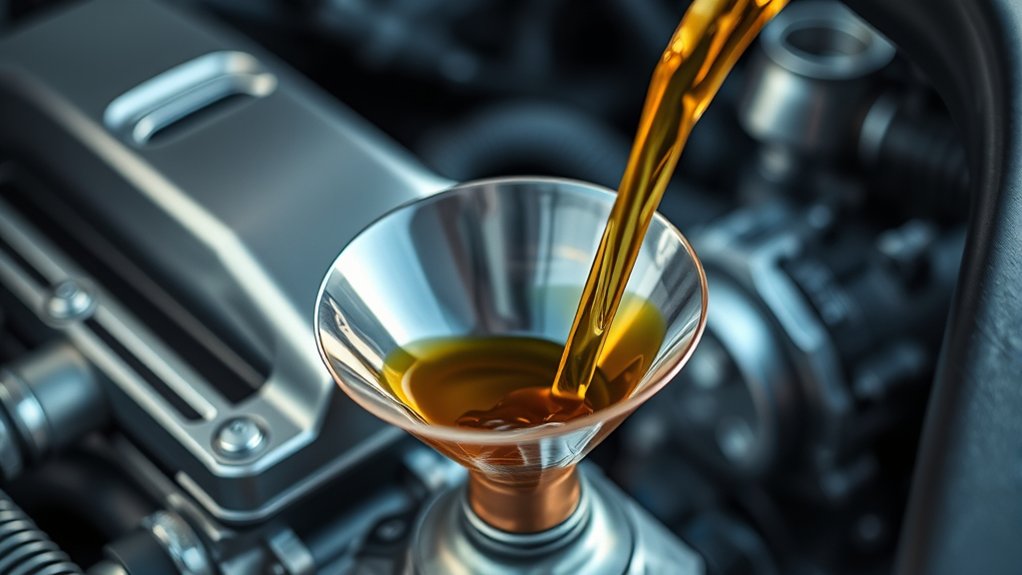
A transmission funnel guides fluid through a long, narrow spout into your vehicle’s filler tube. Its wide reservoir holds the fluid, while the snug adapter or flexible extension keeps the connection stable and helps prevent leaks and spills.
You pour slowly through the funnel, maintaining a controlled flow and reducing contamination. Choose one that fits your filler neck and resists automotive chemicals.
Clean and dry it afterward, and you’ll find more tips for safe, mess-free servicing below.
Key Takeaways
- A transmission funnel guides fluid through a narrow spout into the transmission or torque-converter fill opening.
- Its secure fit prevents leaks, wobbling, spills, and contamination during fluid transfers.
- The long, angled neck controls flow, allowing fluid to enter smoothly without surging or overflowing.
- Users pour slowly, adding small amounts while checking fluid level at the manufacturer’s specified temperature.
- After use, clean, dry, inspect, and store the funnel covered to prevent residue and contamination.
What Is a Transmission Funnel?
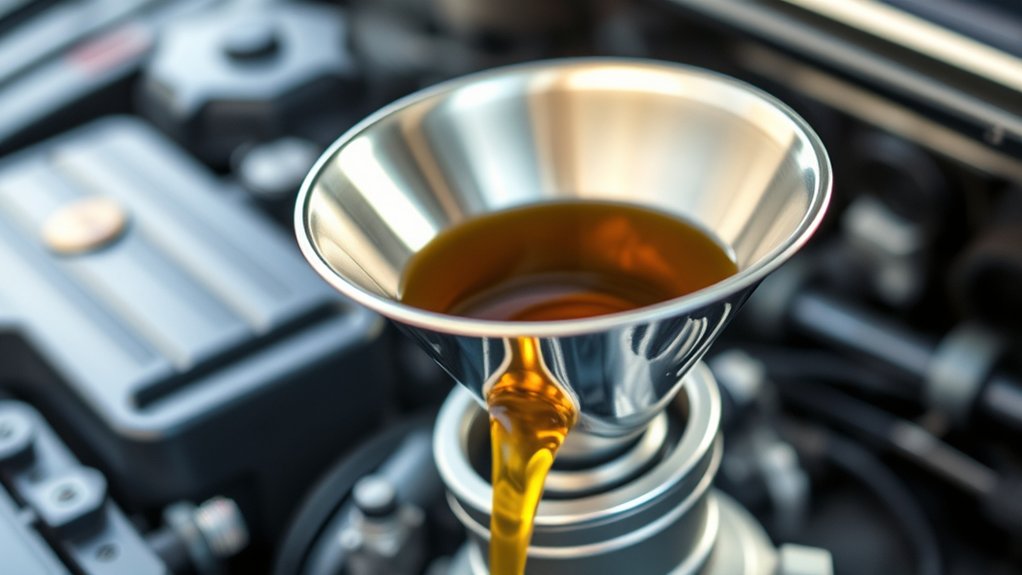
A transmission funnel is a component that guides transmission fluid into the torque converter or transmission pump, helping maintain a clean, controlled flow during filling or servicing. You use it when a vehicle’s filler tube sits deep inside the engine bay or requires an extended, narrow connection.
Most designs include a wide reservoir, a tapered neck, and an adapter that matches the transmission’s fill opening. Some models use flexible extensions, locking clips, or removable screens for added convenience during maintenance.
Before choosing one, check the required capacity and opening size. Transmission fluid viscosity affects how quickly fluid moves through the funnel, so a narrow passage may slow thicker fluids.
Funnel material compatibility matters, too. Choose a model that resists petroleum-based fluids, additives, heat, and cleaning chemicals. A properly matched funnel lets you direct the correct fluid into the transmission while minimizing contamination.
Clean and dry it before each use, and store it covered afterward.
How a Transmission Funnel Prevents Spills
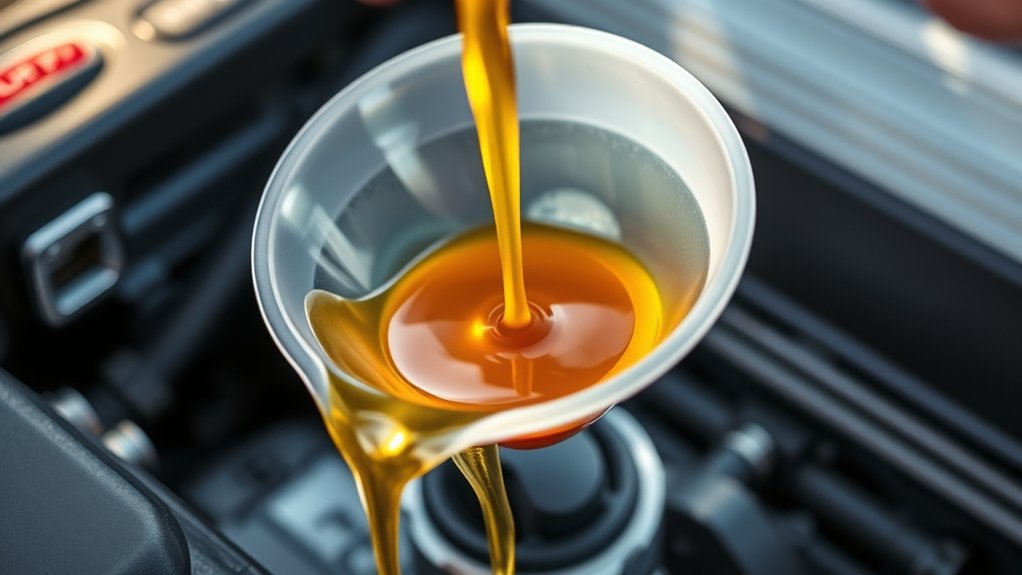
A secure funnel fit keeps the opening steady, so fluid doesn’t spill around the transmission port. Its narrow design controls the flow, while the angled spout guides fluid smoothly into the reservoir. This helps create a splash-free pour with less mess and waste.
Secure Funnel Fit
When you seat a transmission funnel firmly in the fill tube, its tapered neck creates a snug connection that keeps fluid from leaking around the opening. You’ll get the best seal when you choose a neck that matches your vehicle’s fill tube and press it straight into place.
Transmission funnel design often includes flexible adapters, locking tabs, or stepped ends to accommodate different openings. Before pouring, check that the funnel sits evenly and doesn’t wobble when you touch it.
Fluid compatibility matters, too: use a funnel made from materials that resist transmission fluid, solvents, and heat. Inspect the funnel for cracks, warping, or residue that could prevent a tight fit.
If the connection feels loose, stop and select a better adapter rather than risking a spill.
Controlled Fluid Flow
Smooth, controlled flow lets you pour transmission fluid at a steady rate instead of flooding the fill tube. The funnel’s narrow neck regulates delivery, giving you time to monitor the fluid level and pause when necessary.
Its design uses Fluid dynamics to guide liquid downward while limiting sudden surges. You’ll reduce overflow by keeping the container stable and pouring gradually.
Hydraulic pressure inside the funnel changes as fluid moves, so a consistent angle helps maintain predictable flow.
- Pour slowly: Let the funnel control the rate rather than forcing fluid through.
- Watch the level: Check the fill tube frequently to avoid overfilling.
- Adjust the angle: A slight tilt can maintain an even stream.
- Pause between pours: Brief stops let fluid settle and prevent backup.
This controlled delivery makes transmission servicing cleaner, more accurate, and easier to manage without wasting fluid or stressing the fill opening.
Splash-Free Pouring
Transmission funnels prevent spills by directing fluid into the fill tube with a narrow, stable outlet. When you pour, you can hold the funnel securely and maintain a steady angle, allowing transmission fluid to enter without splashing over the opening.
The Transmission funnel design typically includes a tapered spout that fits snugly into the tube, reducing movement and preventing drips around the rim. A wide bowl gives you room to pour accurately, even when you work in a cramped engine bay.
Consider fluid viscosity, too: thicker fluid moves slowly, so pour gradually to avoid backups, while thinner fluid may require a steadier hand. You’ll also benefit from a flexible extension when the fill port sits beneath obstructions.
Choose the Right Transmission Funnel
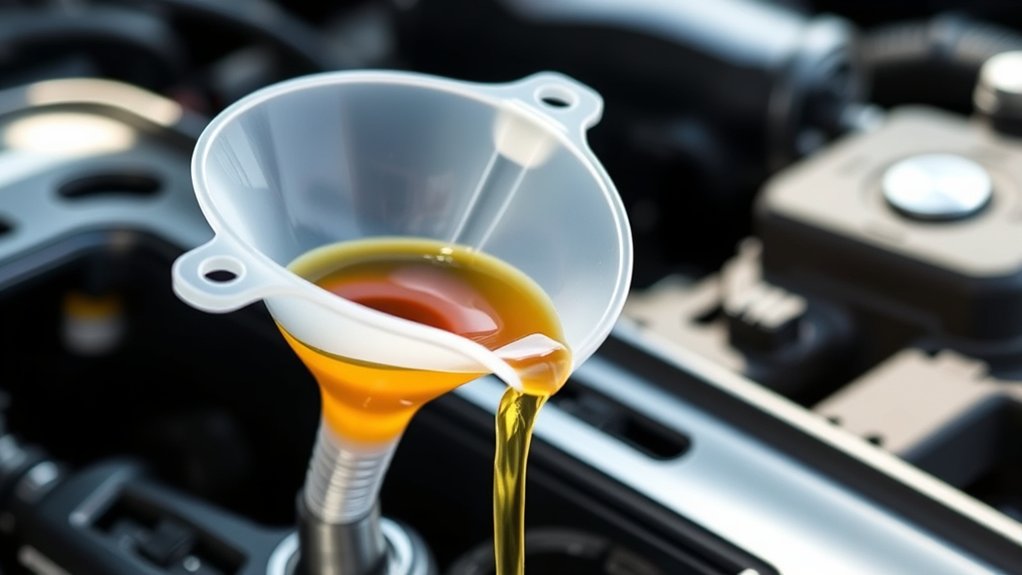
Choose a funnel that fits both your vehicle and transmission fluid container. Go with a durable material that can handle heat and chemicals without cracking. Make sure the funnel matches the size of the filler opening for a steady, spill-free pour.
Check Funnel Compatibility
Before pouring, confirm that the funnel fits both your transmission filler neck and the fluid you plan to use. A secure fit prevents spills, while proper Material compatibility protects the fluid from contamination or chemical reaction. Check the product label and your vehicle manual before starting.
- Measure the opening: Ensure the funnel’s tip reaches the filler neck without wobbling or blocking airflow.
- Verify fluid suitability: Use a funnel approved for your transmission fluid type and service conditions.
- Inspect cleanliness: Complete Funnel cleaning before use, removing dust, old fluid, or residue that could affect shifting.
- Test the connection: Seat the funnel firmly, then pour a small amount slowly to confirm steady flow.
If the fit feels loose or the funnel looks contaminated, stop and choose another one.
Choose Durable Materials
Select a transmission funnel made from durable, fluid-resistant materials such as reinforced polyethylene or chemical-resistant nylon. These materials resist warping, cracking, and softening when you handle hot fluids or automotive chemicals.
Check the funnel’s walls for a solid, uniform construction that won’t collapse during use. A rigid design helps you pour steadily and reduces spills, while a smooth surface makes residue easier to remove.
Evaluate material durability before buying, especially if you service vehicles regularly. Avoid thin plastic that can split under pressure or degrade after repeated exposure to transmission fluid.
Chemical resistance also protects the funnel from stains and contamination. With proper cleaning and storage, a well-made funnel maintains its shape and performance, improving funnel longevity.
Choose quality construction so your tool remains dependable through routine maintenance and occasional repairs.
Match Funnel Size
A durable funnel still needs the right size for your vehicle and the amount of fluid you’re adding. Check your transmission’s fill port before buying. A narrow neck may require an adapter, while a wide opening can accept a larger funnel without spills.
Match the funnel’s capacity to your service volume, but don’t choose one so large that you lose control.
- Measure the fill port to confirm the spout fits securely.
- Consider fluid viscosity. Thicker fluids need a wider passage and slower, steadier pouring.
- Review funnel material. Flexible plastic helps reach awkward ports, while rigid designs offer better stability.
- Choose a length that clears nearby components without forcing the funnel or stressing its connection.
Test the fit before opening the fluid container. A properly sized funnel improves accuracy, prevents contamination, and keeps transmission fluid off your vehicle.
Match the Funnel to the Filler Tube
Match the funnel’s outlet to the filler tube’s diameter and length so material flows smoothly without spills or backups. Choose a narrow outlet for a restricted tube, but make sure it doesn’t reduce flow excessively.
Match the funnel outlet to the filler tube for smooth flow, preventing spills, backups, and unnecessary restrictions.
A longer, flexible spout can reach recessed openings, while a short, rigid outlet works well when the filler tube sits nearby. Check the fit before pouring: the outlet should enter securely without wedging or leaving large gaps around it.
Consider transmission fluid viscosity when selecting the funnel’s opening. Thick fluid needs a wider passage and a smooth interior to maintain steady flow, while thinner fluid can pass through a smaller outlet.
Also verify funnel material compatibility with the fluid and any additives. Oil-resistant plastic or metal typically withstands transmission fluid, but some plastics can soften, crack, or shed debris.
A transparent funnel helps you monitor the flow, while a threaded or tapered outlet can improve stability. Select the closest practical match rather than forcing an ill-fitting funnel.
Prepare Your Vehicle and Work Area
Before you begin, gather a funnel, the correct transmission fluid, gloves, and any tools you’ll need. Park the vehicle on level ground, set the parking brake, and make sure it’s secure. Then, protect your work area by placing a drain pan or absorbent covering underneath to catch any spills.
Gather Necessary Tools
Gather a transmission funnel, the correct transmission fluid, gloves, shop towels, a drain pan, and basic hand tools before you begin. Check your owner’s manual for the specified fluid type and transmission fluid viscosity. Confirm the funnel’s spout fits the filler opening without forcing it.
- Choose funnel material options that resist automotive chemicals, such as durable plastic or metal.
- Select a funnel with a long, narrow spout for controlled, splash-free pouring.
- Keep a clean measuring container nearby so you can track the amount added.
- Place towels within reach to wipe the funnel and handle minor drips promptly.
Inspect every tool for dirt, damage, or loose parts. Use a clean, well-lit work area, and keep the fluid container sealed until needed.
Organizing supplies first helps you work smoothly and prevents contamination during filling.
Secure the Vehicle
With your tools ready, park the vehicle on a level, stable surface and engage the parking brake. Turn off the engine, remove the key, and let the transmission cool enough to handle safely.
Keep the vehicle in Park for an automatic transmission, or in first gear for a manual transmission. If you must raise it, use a floor jack only for lifting; support the vehicle with correctly rated jack stands on solid ground.
Chock the wheels that remain on the ground to prevent movement. Check your owner’s manual for the proper fill point and access instructions, since vehicle designs vary.
Confirm the funnel fits securely before use. Its Funnel material durability should withstand the fluid’s temperature, while Transmission fluid viscosity determines how steadily the fluid flows through it.
Protect the Work Area
Protect the work area with a drain pan, absorbent pads, and shop towels to catch spills and keep fluid off the floor. Good work area safety starts before you open the transmission funnel’s cap.
Clear clutter, improve lighting, and keep tools within reach so you won’t trip or knock over containers. Use these spill prevention steps:
- Position the drain pan directly beneath the fill point, allowing room for splashes.
- Cover nearby painted, rubber, and electrical surfaces with protective material.
- Keep the transmission fluid container sealed until you’re ready to pour.
- Place used towels and fluid-soaked materials in a suitable waste container.
Wipe up drips immediately, because slippery fluid can cause falls and spread contaminants. Don’t smoke or use open flames nearby.
A clean, organized area helps you pour accurately and finish safely.
Use a Transmission Funnel Step by Step
Start by gathering the correct funnel, fluid, and tools for your transmission, then warm the vehicle and park it on level ground. Turn off the engine, set the parking brake, and locate the transmission filler tube or opening.
> Prepare the correct tools and fluid, warm the vehicle, park level, secure it, and locate the transmission opening.
Wipe away dirt around the opening so debris can’t enter. Check the funnel for cracks, residue, or loose parts before use.
Its Material durability matters because a weak neck can bend or collapse during installation. Insert the narrow end firmly into the opening, keeping the funnel upright and stable.
Follow the funnel’s Fluid dynamics by maintaining a smooth, unobstructed path. Avoid kinks, sharp bends, or excessive pressure.
Hold the funnel securely, and don’t force it if the fit feels wrong. Keep your work area organized and watch for leaks.
Remove the funnel carefully after completing the transfer. Clean it immediately, inspect it again, and store it covered for your next service.
Add the Correct Transmission Fluid
Once the funnel is secure, add only the transmission fluid specified in your owner’s manual. Transmission fluid types differ in formulation, viscosity, and additive package, so don’t substitute a product because its label seems similar.
Using the wrong fluid can affect shifting, lubrication, and transmission performance.
- Check the manual or fluid-cap label for the exact specification and approved brands.
- Pour slowly, giving the fluid time to travel through the funnel and into the fill tube.
- Add fluid in small amounts, then check the level according to your vehicle’s required temperature and procedure.
- Stop at the recommended mark. Overfilling can cause foaming and erratic operation.
Keep the container upright and read its instructions before opening.
Afterward, follow proper funnel maintenance: drain remaining fluid, wipe the funnel with a clean, lint-free cloth, and store it covered. Don’t mix leftover fluids in the funnel or bottle.
If you’re uncertain about compatibility or level readings, consult a qualified technician before driving.
Prevent Fluid Spills and Contamination
To prevent spills and contamination, keep the funnel upright and fully seated in the fill tube while you pour slowly. This position lets gravity guide fluid directly into the transmission instead of allowing it to splash onto surrounding parts. Watch the fluid dynamics as the funnel fills, and pause whenever the level rises too quickly.
Pouring at a steady rate prevents backups, overflow, and air pockets that can cause sudden spills.
Before adding fluid, wipe dirt from the fill-tube opening and keep the bottle’s tip from touching the funnel or vehicle. Hold the funnel securely if it doesn’t lock into place, and don’t overfill its bowl.
Use a clean, compatible funnel dedicated to transmission service; mixing fluids or introducing grit can damage internal components. Check the fill area frequently as you work, and stop immediately if you notice a leak, blockage, or unstable funnel.
These habits support contamination prevention and help you add fluid accurately without creating a mess.
Clean and Store Your Transmission Funnel
After you’ve finished pouring, clean the transmission funnel before storing it to prevent old fluid, dirt, and debris from contaminating future services. Pour remaining fluid into the appropriate container, then rinse the funnel with a compatible cleaner or warm, soapy water.
Check the manufacturer’s guidance first, especially if the funnel includes seals, flexible hoses, or specialized materials.
Different transmission funnel designs require different care. A narrow neck may trap residue, while a flexible extension needs thorough flushing.
Let every part dry completely to protect fluid viscosity and prevent moisture from entering fresh transmission fluid.
- Disassemble removable pieces carefully and clean each surface.
- Use a soft brush to reach threads, bends, and the outlet.
- Inspect for cracks, cloudiness, hardened residue, or damaged seals.
- Reassemble the dry funnel and store it in a sealed, dust-free container.
Keep the funnel away from chemicals, extreme heat, and direct sunlight. Label it for transmission use, and don’t store it beside dirty tools.
Avoid Common Transmission Funnel Mistakes
A few simple mistakes can contaminate fluid or cause spills when you use a transmission funnel. First, don’t assume every funnel suits all transmission fluid types.
Check your vehicle’s manual, and use a funnel designed for the correct fluid and fill port. Never pour fluid through a dirty funnel, because debris can damage internal components.
Before filling, secure the funnel firmly so it won’t tip or leak. Add fluid slowly, and stop periodically to check the level; overfilling can create foaming and shifting problems.
Don’t use a funnel that’s cracked, warped, or too short to reach safely. Afterward, wipe away drips and cap the container immediately to prevent moisture and dust from entering.
Good funnel maintenance includes washing the funnel with an appropriate cleaner, drying it completely, and storing it covered. Finally, label separate funnels if you service different fluids, and never mix tools or residue between applications.
Frequently Asked Questions
Can a Transmission Funnel Be Used With Other Automotive Fluids?
Yes, you can use a transmission funnel with other automotive fluids, but check fluid compatibility first. You shouldn’t use one funnel interchangeably if residue could contaminate brake fluid, coolant, engine oil, or fuel.
Consider the funnel materials, too. Some plastics resist petroleum products but may degrade with solvents or harsh chemicals.
Clean the funnel thoroughly, or dedicate separate funnels to different fluids. Always follow your vehicle manufacturer’s recommendations before pouring.
How Often Should Transmission Fluid Be Changed?
You should change transmission fluid according to your vehicle manufacturer’s schedule, typically every 30,000–60,000 miles for conventional fluid, though some newer vehicles use longer intervals.
Think of fresh fluid as clean blood for your transmission: it carries heat away and protects moving parts.
During transmission maintenance, check your owner’s manual, driving conditions, and fluid condition.
Frequent towing, stop-and-go traffic, or extreme temperatures may require earlier fluid replacement. Always use the specified fluid type.
What Symptoms Indicate Low or Contaminated Transmission Fluid?
You may notice delayed engagement, slipping, rough or hard shifts, unusual whining, or difficulty selecting gears when fluid runs low. These low fluid symptoms often worsen as your transmission struggles to maintain hydraulic pressure.
Transmission fluid contamination can cause dark, dirty, or burnt-smelling fluid, visible particles, overheating, and erratic shifting. Check the level and condition promptly, but don’t drive far if the transmission slips, overheats, or makes loud noises.
Are Transmission Funnels Compatible With Sealed Transmission Systems?
You can use a transmission funnel with some sealed systems, but compatibility depends on the manufacturer’s fill port and service procedure. Picture a narrow gateway under your hood: if it has a designated opening, the funnel can guide fluid cleanly without spills.
Check your owner’s manual first. Seal compatibility matters because forcing an adapter may damage fittings or introduce contamination.
For proper system maintenance, use the specified fluid, tools, and level-checking method.
Where Can You Buy a High-Quality Transmission Funnel?
You can buy a high-quality transmission funnel from reputable auto-parts stores, dealership parts departments, hardware retailers, and trusted online marketplaces. Choose brands with durable, chemical-resistant materials, secure adapters, and clear measurement markings.
Before purchasing, check funnel compatibility with your vehicle’s filler neck or dipstick tube. Also verify that the funnel suits your transmission fluid type, including ATF, CVT fluid, or specialty fluids.
Read customer reviews and confirm return policies before ordering.
Conclusion
A transmission funnel turns a messy fluid change into a controlled, cleaner job. By matching its tip to your filler tube, you can guide every drop where it belongs and reduce spills, contamination, and wasted fluid.
Imagine this: even a small eight-ounce spill can leave a noticeable slick beneath your vehicle. Clean the transmission funnel after use, store it covered, and you’ll be ready for the next service without fighting drips, fumes, or unnecessary cleanup.