How Does a Transmission Fluid Pump Work Step by Step
Many drivers worry about slipping gears, strange noises, or an overheating transmission, especially when they’re unsure what’s happening under the hood. You’re not alone—many people struggle to understand how a transmission fluid pump keeps everything working smoothly.
Learning how a transmission fluid pump works can make it easier to spot problems early and choose the right transmission products for your vehicle. The steps below explain the process in greater detail.
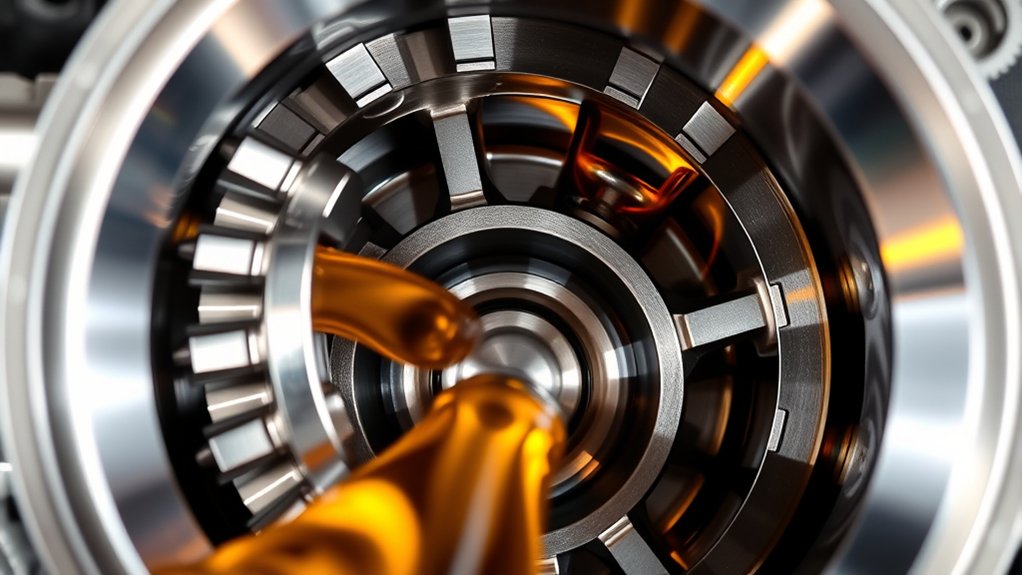
A transmission fluid pump draws fluid from the pan through a strainer and pickup tube. As the engine turns the pump, gears or vanes carry fluid to the outlet and build hydraulic pressure.
The fluid then reaches the valve body, which directs it to clutches, bands, and lubrication passages for smooth shifting. It also flows through the cooler to remove heat.
If the pump weakens, you’ll notice slipping, noise, or overheating. Understanding these warning signs can help you address transmission problems before they become more expensive.
Key Takeaways
- The engine mechanically drives the transmission pump through the torque converter or input shaft.
- The pump creates low pressure at its inlet, drawing fluid from the pan through the pickup tube and filter.
- Rotating gears or vanes carry fluid to the outlet, where restricted passages create hydraulic pressure.
- Pressurized fluid flows to the valve body, which distributes it to clutches, bands, lubricating passages, and the cooler.
- A pressure regulator controls excess pressure while clean fluid circulation supports shifting, lubrication, cooling, and component protection.
What Does a Transmission Fluid Pump Do?
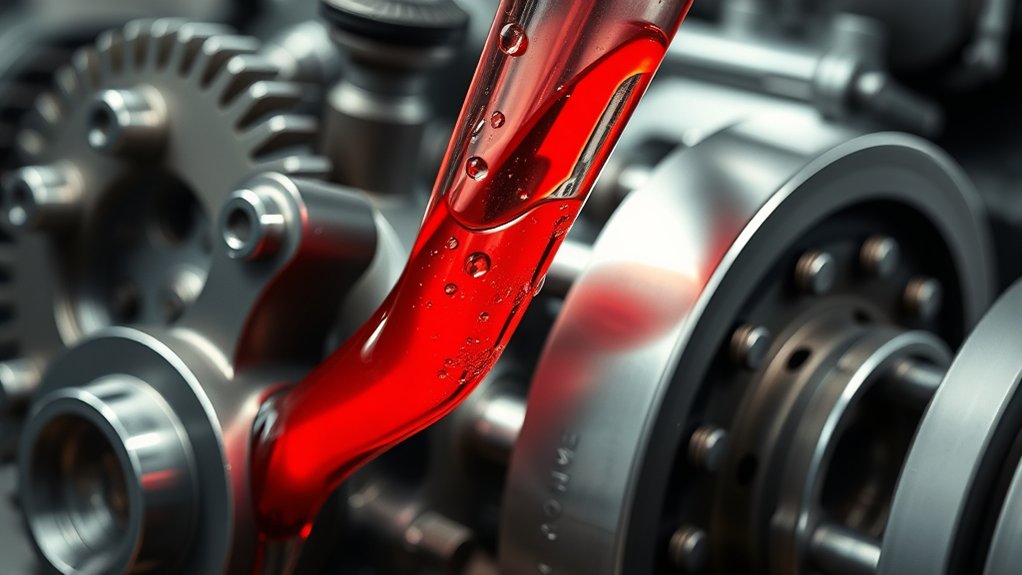
A transmission fluid pump circulates fluid through the transmission to lubricate moving parts, control hydraulic pressure, and help transfer heat. As you drive, it supports smooth gear engagement by maintaining the pressure your transmission’s clutches, bands, and valves need.
> A transmission fluid pump maintains hydraulic pressure, lubricates components, and helps ensure smooth, reliable gear changes.
It also helps carry heat away from friction-producing components, reducing wear and supporting consistent performance.
You can often judge fluid condition by checking the transmission fluid color and smell during routine service. Bright red or manufacturer-approved fluid usually indicates a healthy lubricant, while dark, cloudy, or burnt-smelling fluid may signal overheating, contamination, or overdue service.
Your vehicle may use a different fluid color, so follow its owner’s manual rather than relying on color alone.
Regular pump maintenance protects the entire hydraulic system. You should use the correct fluid, maintain the specified level, replace the filter when required, and address leaks promptly.
If shifting becomes delayed, harsh, or inconsistent, have a qualified technician inspect the pump and transmission before minor problems become expensive damage.
How a Transmission Fluid Pump Draws Fluid
Once you understand how the pump inlet works, it’s easier to see how the transmission fluid pump draws fluid from the pan. As the pump rotates, it creates a pressure difference that pulls fluid through the inlet. From there, the fluid flows into the transmission’s hydraulic circuits.
Pump Inlet Operation
The pump inlet creates a low-pressure area that draws transmission fluid from the pan through a pickup tube or strainer. As the pump’s internal parts rotate, they expand the inlet space and reduce pressure at the opening.
Atmospheric pressure then pushes fluid toward the inlet, following basic hydraulic principles. You’ll find that a clean strainer helps maintain steady suction, while a clogged screen restricts the supply and may cause noise or delayed engagement.
The inlet seal must remain tight because air leaks can weaken the pump’s ability to draw fluid. During pump maintenance, inspect the pickup tube, gasket, and strainer for cracks, debris, or loose connections.
| Inlet part | What you check |
|---|---|
| Pickup tube | Cracks or looseness |
| Strainer | Debris or damage |
Fluid Flow Creation
As the pump’s gears or vanes rotate, they carry transmission fluid from the inlet toward the outlet, creating a continuous flow through the transmission.
As each gear tooth or vane moves away from the inlet, it enlarges a small chamber and lowers pressure. Atmospheric pressure then pushes fluid from the pan through the filter and into that chamber.
The rotating parts seal the fluid against the housing, preventing it from flowing backward.
- Draw: Low pressure pulls fluid into the pump.
- Carry: Chambers transport fluid around the housing.
- Deliver: Reduced chamber space forces fluid into passages.
You’ll get steady lubrication and hydraulic pressure when the pump stays sealed and the fluid level remains correct.
During transmission maintenance, replace clogged filters and inspect seals. Promptly address fluid contamination because debris can damage gears, valves, and the pump’s close-fitting surfaces.
How the Pump Builds Transmission Pressure
A transmission pump builds pressure by drawing fluid from the pan and forcing it through narrow passages in the valve body. Inside the pump, rotating gears or vanes create expanding spaces that fill with fluid, then shrinking spaces that squeeze and move it forward.
Because fluid resists compression, this action produces hydraulic pressure rather than simply increasing flow. As engine speed rises, the pump generally moves more fluid, raising available pressure until the regulator controls it.
The pressure regulator redirects excess fluid or adjusts pump output, preventing damaging pressure spikes. You rely on this controlled pressure to apply clutch packs, move servos, and operate transmission circuits correctly.
Worn gears, damaged seals, or restricted passages can reduce pressure, causing slipping, delayed engagement, or harsh shifts. During transmission maintenance, inspect the fluid level and condition, since fluid contamination can wear pump components and interfere with precise pressure regulation.
Clean fluid and correct service help the pump maintain dependable pressure.
How Fluid Reaches the Valve Body
Your transmission pump draws fluid from the pan through the pickup. From there, the fluid moves through the pump’s inlet passage, where the pump pressurizes it. The pressurized fluid then flows to the valve body, which distributes it to the appropriate circuits.
Fluid Pan Pickup
The fluid pan serves as the transmission’s reservoir, collecting fluid after it circulates through the system. As you examine this stage, you’ll see how the pump’s pickup sits low in the pan, where it can access the available fluid. A filter or screen helps block debris before fluid moves onward, protecting internal components from Fluid contamination.
- Fluid settles in the pan after returning from the transmission.
- The pickup draws fluid from below the surface.
- The filter catches particles while maintaining steady flow.
You should keep the fluid level within the manufacturer’s specified range. If it drops too low, the pickup may draw air, reducing hydraulic pressure and causing shifting problems.
Regular Pump maintenance, including inspections for leaks and a timely fluid-and-filter service, helps keep this supply dependable. At this point, the pan has provided clean, consistent fluid for the pump to use.
Pump Inlet Passage
Once the filter cleans the fluid, it enters the pump inlet passage, which directs it toward the pump and valve body. As you follow this route, you’ll find a carefully shaped channel that limits turbulence and keeps the supply steady.
The passage connects the filter outlet to the pump’s rotating elements, allowing the Gear mechanism to draw fluid in smoothly. Its size, bends, and sealing surfaces affect Pump efficiency because restrictions can reduce flow and create unwanted noise.
You’ll also see that the passage remains submerged or well sealed in normal operation, helping prevent air from entering the circuit. As fluid moves through, the pump prepares to send it onward.
This inlet path doesn’t create control pressure; it simply provides the clean, consistent supply the pump needs.
Pressure To Valve Body
After the pump pressurizes the cleaned fluid, it sends it through a discharge passage toward the valve body. You can think of this passage as a controlled highway that maintains flow and pressure. Seals and gaskets prevent leaks while the fluid travels through channels, tubes, or a separator plate.
At the valve body, pressure moves spool valves, which direct fluid to the correct clutch packs, bands, and lubrication circuits.
- The pump creates steady pressure.
- Passages guide fluid without excessive restriction.
- Valves distribute fluid according to driving demands.
If pressure drops, shifts may become delayed, harsh, or inconsistent. During Transmission maintenance, you should check for clogged filters, damaged seals, and restricted passages.
If the pump can’t maintain pressure, Pump replacement may restore proper hydraulic control. Always use the specified fluid and follow service procedures to protect the valve body and transmission.
How the Valve Body Controls Gear Shifts
Inside the valve body, hydraulic passages and precisely calibrated valves direct transmission fluid to the clutches and bands that engage each gear.
As you select Drive, Reverse, or another range, the valve body interprets commands from the transmission controller and responds to engine speed, vehicle speed, and throttle position.
Shift valves open, close, or move between positions, changing hydraulic pressure in specific circuits. This timing determines which gear releases and which one applies, preventing two gears from engaging at once.
Solenoids fine-tune pressure and shift timing, while accumulators cushion pressure changes so you feel smooth progressions instead of harsh jolts.
Through valve synchronization, the system coordinates each command with the rotating parts inside the transmission.
During gear engagement, carefully controlled pressure helps clutches and bands apply firmly without slipping.
If a valve sticks or a solenoid fails, you may notice delayed shifts, slipping, or abrupt changes.
The valve body thus acts as the transmission’s hydraulic control center.
How Fluid Reaches Clutches and Bands
From the valve body, transmission fluid travels through designated passages and channels to reach the clutches and bands that control each gear. As you select a gear, the valve body directs pressurized fluid into the correct circuit.
The fluid fills a clutch piston or band servo, creating force that applies the required friction element.
- Passageways: Internal channels guide fluid from the valve body toward each actuator.
- Seals: O-rings and lip seals keep pressure contained, preventing unwanted leakage between circuits.
- Actuators: Pistons convert hydraulic pressure into movement, engaging a clutch pack or tightening a band.
Fluid viscosity affects how quickly pressure builds and how consistently each component responds. Cold, thick fluid may delay engagement, while overheated, thin fluid can reduce operating pressure.
You’ll help maintain accurate delivery by using the specified fluid and following pump maintenance intervals. Restricted passages, worn seals, or a weak pump can starve a circuit, causing slipping, harsh shifts, or delayed engagement.
Proper pressure keeps each gear’s friction elements firmly applied.
How the Pump Lubricates Transmission Parts
The pump draws fluid through internal passages and sends it to the transmission’s moving parts. It sprays the gears and bearings to help reduce heat and friction. As a result, the components move smoothly and experience less wear.
Drawing Fluid Through Passages
As the pump spins, it draws transmission fluid from the pan through the pickup tube and into its inlet passages. You can picture these passages as carefully sized channels that guide fluid toward the pump’s working chambers.
As the gears or rotors turn, they create low pressure at the inlet, pulling fluid steadily through the system. A screen or filter catches debris before it enters sensitive passages, while seals help prevent air from mixing with the fluid.
- The pickup tube connects the pan to the pump inlet.
- Inlet channels guide fluid into the rotating assembly.
- Pressure rises as the pump compresses the captured fluid.
Clean fluid supports reliable transmission maintenance. However, fluid contamination can restrict the pickup screen, reduce flow, and make the pump work harder.
You’ll protect circulation by checking fluid condition and replacing neglected filters according to the vehicle manufacturer’s service schedule.
Spraying Gears And Bearings
Once fluid leaves the pump’s working chambers, it travels through passages and jets that direct oil toward the transmission’s gears, bearings, and other moving parts.
As you select different gears, these directed streams reach contact points that need a steady supply of lubricant. Small openings may spray oil onto gear teeth, while channels feed bearings inside the transmission.
The pump maintains circulation so each target receives fluid as components rotate and shift. You’ll often notice smoother, quieter operation when the spray pattern and flow remain consistent.
Restricted passages can leave certain parts under-supplied, causing noticeable Transmission noise or rough engagement. Meanwhile, fluid contamination can clog jets and interrupt delivery.
Filters, clean fluid, and proper service help preserve clear passages and reliable lubrication throughout the transmission.
Reducing Heat And Friction
By circulating fluid through contact points, the pump carries heat away from gears, bearings, and clutches while reducing friction between moving surfaces. As you drive, pressurized fluid forms a thin protective film, helping each part move smoothly without excessive wear.
It also transfers heat to the transmission cooler, keeping temperatures within a safer range.
You’ll notice the lubrication process protects three critical areas:
- Gears: Fluid cushions tooth contact and limits scoring.
- Bearings: Lubrication reduces drag and supports steady rotation.
- Clutches: Fluid controls engagement while preventing damaging heat buildup.
For effective Transmission maintenance, you should use the specified fluid and follow the service schedule. Old fluid loses its protective properties, while fluid contamination can carry abrasive particles through the pump and across sensitive components.
Replacing the filter and inspecting leaks helps preserve flow, cooling, and long-term transmission performance. Proper lubrication also helps prevent noisy operation, slipping, and premature repairs.
How the Pump Sends Fluid to the Cooler
The pump sends pressurized transmission fluid through passages or lines to the cooler, where airflow or coolant lowers its temperature. You then receive cooler fluid for the transmission’s next circuit, helping protect clutches, bearings, and seals from heat-related wear.
A cooler circuit may include a bypass valve, fittings, and return lines that control flow and prevent excessive restriction.
| Component | Function | What you should check |
|---|---|---|
| Pump outlet | Delivers pressurized fluid | Leaks or damage |
| Cooler lines | Carry fluid outward and back | Kinks and corrosion |
| Cooler core | Transfers heat away | Blockage or poor airflow |
Transmission fluid filtration supports this process by trapping debris before it reaches narrow cooler passages. If contamination builds up, flow can drop and temperatures can rise.
During Pump maintenance, you should inspect line connections, clean the cooler when specified, and use the manufacturer’s recommended fluid.
Don’t ignore discolored fluid, restricted flow, or damp fittings. Each sign can indicate a cooling problem that needs prompt attention.
Why Pump Speed Follows Engine Speed
Why does pump speed follow engine speed? In most automatic transmissions, the pump connects directly to the torque converter or another engine-driven shaft. As your engine turns, that connection rotates the pump, creating fluid flow for lubrication, hydraulic control, and clutch operation.
As the engine turns, its connection drives the transmission pump, supplying fluid flow for lubrication, control, and clutch operation.
When engine speed rises, pump speed rises with it. When the engine slows, pump output decreases.
Picture the relationship this way:
- At idle, the pump turns slowly and supplies a modest, steady flow.
- During acceleration, engine speed increases, so the pump moves fluid faster.
- At cruising speed, consistent rotation supports stable pressure and circulation.
This mechanical link gives the transmission a simple, dependable source of hydraulic energy without needing a separate electric motor.
However, fluid demand and pressure don’t always increase perfectly with speed, so valves regulate the flow as conditions change.
During transmission maintenance, technicians inspect the pump, drive surfaces, and fluid level. If wear reduces efficiency, correct Pump replacement restores the intended connection and flow.
What Happens When the Pump Fails?
A failing transmission fluid pump can’t maintain the flow and pressure your transmission needs to lubricate parts, operate clutches, and shift gears. As pressure drops, you may notice delayed engagement, harsh or slipping shifts, whining noises, and difficulty moving from park.
Your transmission can also overheat because fluid doesn’t circulate through the cooler and moving components effectively.
Watch the dashboard for a warning light, but don’t rely on it alone. A transmission sensor may detect abnormal pressure or rising fluid temperature and trigger a fault code.
You might also smell burnt fluid, see leaks, or find dark, contaminated fluid during an inspection. Continuing to drive can quickly increase friction, damage clutch packs, and wear bearings, turning a pump problem into a complete transmission failure.
Stop driving if the transmission slips severely, loses drive, or overheats. Have a qualified technician test pump pressure, inspect the fluid and filter, and repair the underlying problem before further damage occurs.
Frequently Asked Questions
How Often Should Transmission Fluid and the Filter Be Replaced?
You should replace your transmission fluid and filter about every 30,000–60,000 miles, or as your vehicle manufacturer recommends. If you tow, haul heavy loads, drive in stop-and-go traffic, or operate in extreme temperatures, service them more frequently.
Check your owner’s manual for the exact interval and fluid type. Proper fluid maintenance protects pump functionality, supports smooth shifting, and helps prevent costly transmission damage. Have a technician inspect leaks and fluid condition during service.
Which Transmission Fluid Type Is Right for My Vehicle?
Choose the fluid your vehicle manufacturer specifies—compatibility comes first. Check your owner’s manual, transmission label, or manufacturer service information for the exact fluid standard, viscosity, and approval.
Fluid compatibility prevents slipping, overheating, seal damage, and expensive repairs. Don’t assume every automatic transmission fluid works universally.
For effective transmission maintenance, use the recommended product and quantity. Verify whether your vehicle requires synthetic, continuously variable transmission (CVT), dual-clutch, or manual-transmission fluid.
Never mix types unless approved.
Can Using the Wrong Transmission Fluid Damage the Transmission?
Yes, using the wrong transmission fluid can damage your transmission. Incorrect fluid compatibility may cause slipping, harsh shifting, overheating, seal deterioration, or premature wear because each transmission requires specific friction and viscosity properties.
Don’t assume one fluid fits every vehicle. Check your owner’s manual or ask a qualified technician.
If you’ve used the wrong fluid, stop driving when possible and arrange service promptly. Regular transmission maintenance helps prevent costly failures.
How Much Does Transmission Fluid Pump Replacement Typically Cost?
You’ll typically pay $500–$1,500 to replace a transmission fluid pump, though some vehicles can push costs beyond $2,000. That’s an eye-watering repair bill.
Labor, vehicle design, and pump accessibility drive the price. Fluid contamination can damage the replacement, so your technician should inspect the fluid, clean the system, and identify the source.
Persistent pump noise may signal wear, low fluid, or internal transmission damage. These issues can increase your final cost markedly.
Can a Transmission Fluid Pump Be Repaired, or Must It Be Replaced?
A transmission fluid pump can sometimes be repaired, but severe wear, cracks, or internal damage often require replacement. A technician can inspect clearances, gears, seals, and pressure output to determine whether repair is feasible.
Minor leaks or worn seals may allow rebuilding, while damaged housings usually require a new pump. Regular maintenance, including correct fluid levels and scheduled service, can extend its life and prevent costly transmission problems.
Conclusion
Your transmission fluid pump keeps the entire system moving, from drawing fluid out of the pan to building pressure, controlling shifts, lubricating components, and cooling the fluid. Because engine speed drives the pump, pressure changes with operating conditions.
If the pump weakens or fails, your transmission can’t work properly, and damage may follow quickly. Watch for slipping, whining, overheating, or delayed engagement, and address problems before they snowball into costly repairs.
Understanding how a transmission fluid pump works can help you spot problems early and keep your vehicle running reliably.