How Does a Tire Tread Depth Gauge Work?
Worried that your tires may be wearing unevenly or losing grip before you notice? You’re not alone—many drivers struggle to tell when tread depth has become unsafe. A reliable tire tread depth gauge makes checking your tires quick and straightforward.
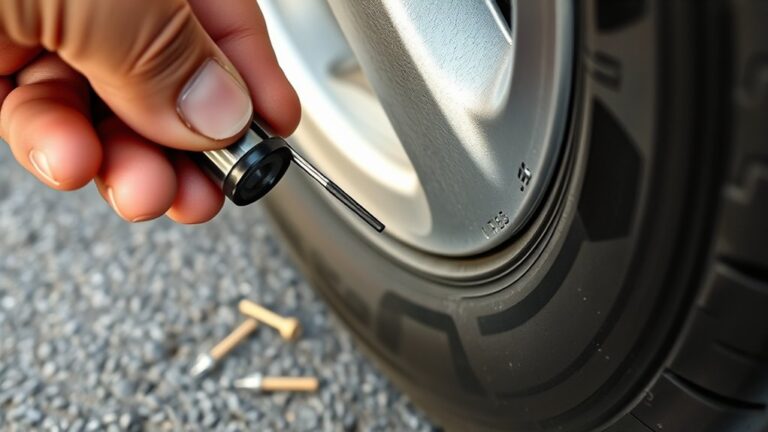
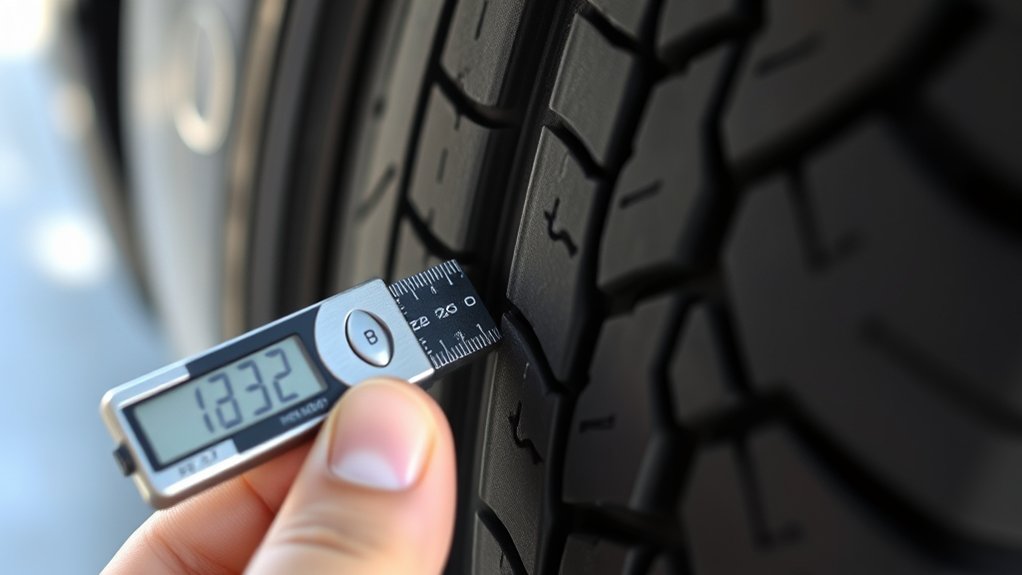
A tire tread depth gauge measures the distance from the tread surface to the bottom of a groove. You place its probe into the groove while the gauge’s shoulders rest on the surrounding tread blocks.
As the probe moves, an internal spring transfers that movement to a sliding rod, dial, or digital display. Keep the gauge perpendicular and take several measurements around the tire.
The results help you track wear, spot uneven patterns, and know when replacement is needed.
Key Takeaways
- A tread depth gauge measures the distance from the tire’s tread surface to the bottom of a groove.
- Its probe sits in the groove while the gauge’s shoulders rest flat on adjacent tread blocks.
- Pressing the probe compresses an internal spring, moving a rod, dial, or digital sensor.
- The display reports tread depth in thirty-seconds of an inch or millimeters.
- Accurate readings require a perpendicular probe, clean grooves, and measurements at multiple tire locations.
How Do You Use a Tire Tread Depth Gauge?
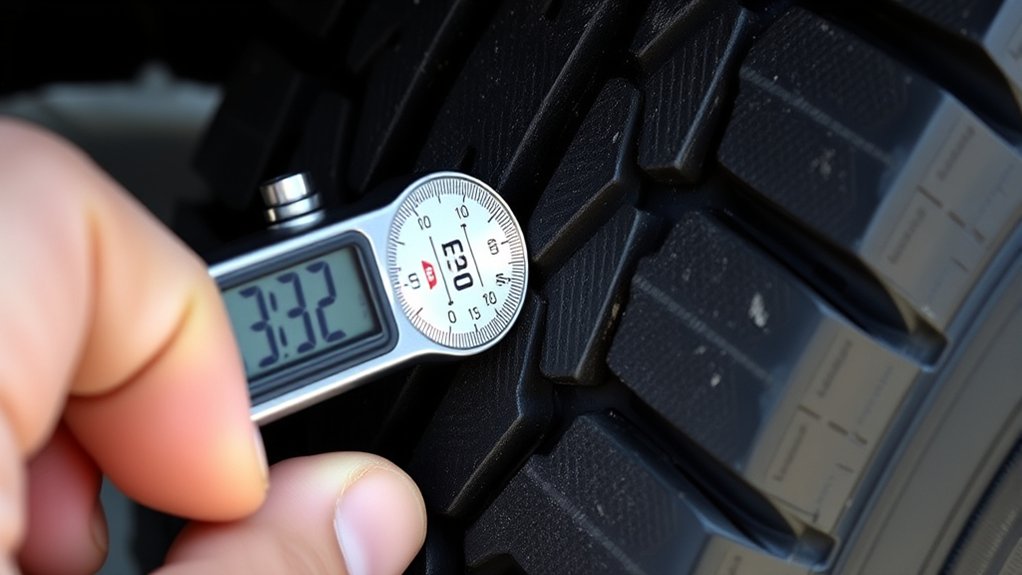
To use a tire tread depth gauge, place its probe into the deepest groove of the tire tread and press the gauge’s shoulders flat against the tread blocks. Read the measurement where the gauge’s indicator meets its scale.
Check several points across each tire’s tread, including the inner, center, and outer grooves. Record every reading, then compare the lowest result with your vehicle manufacturer’s recommended minimum and local legal limits.
Before measuring, park on level ground, engage the parking brake, and ensure the tires are properly inflated and cool. Wipe away stones or dirt that could affect placement.
Inspect the tread for uneven wear, cracks, bulges, or exposed cords while you work. Repeat measurements regularly, especially before long trips or when handling feels unusual.
Consistent tire maintenance helps you recognize problems early. Replace tires that reach the wear limit or show serious damage, and consult a qualified technician when readings differ sharply.
This simple routine supports vehicle safety and dependable traction.
How Does a Tread Depth Gauge Work?
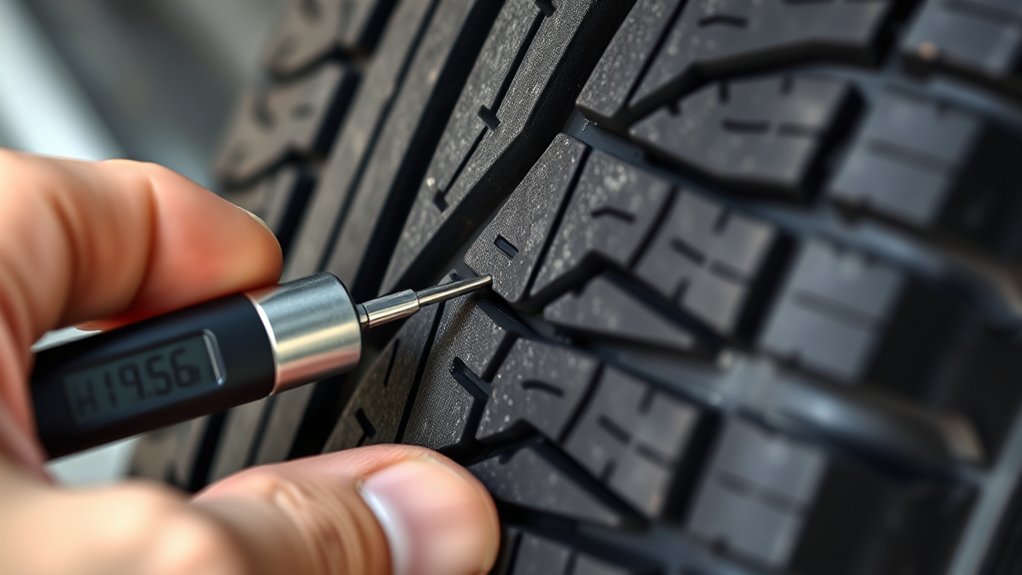
A tread depth gauge works by measuring the distance from the tread surface to the bottom of a tire’s groove. You place its probe against the groove’s base while the gauge’s shoulders rest on the surrounding tread blocks.
A tread depth gauge measures the distance from the tread surface to the bottom of a tire’s groove.
As the probe moves, an internal spring mechanism transfers that movement to a sliding rod, dial, or digital sensor. The display then shows the groove’s depth, usually in thirty-seconds of an inch or millimeters.
The gauge doesn’t analyze rubber condition or predict failure by itself. It simply provides a measurement you can compare with the tire manufacturer’s recommended replacement limit.
Some gauges use a calibrated ruler, while digital models convert probe movement into an electronic reading. Their design accommodates variations in tread pattern, so the probe can reach the groove floor without relying on visual estimates.
Because wear can differ across a tire, accurate readings help you understand remaining tread and recognize uneven wear before it affects safety.
Where Should You Measure Tire Tread Depth?
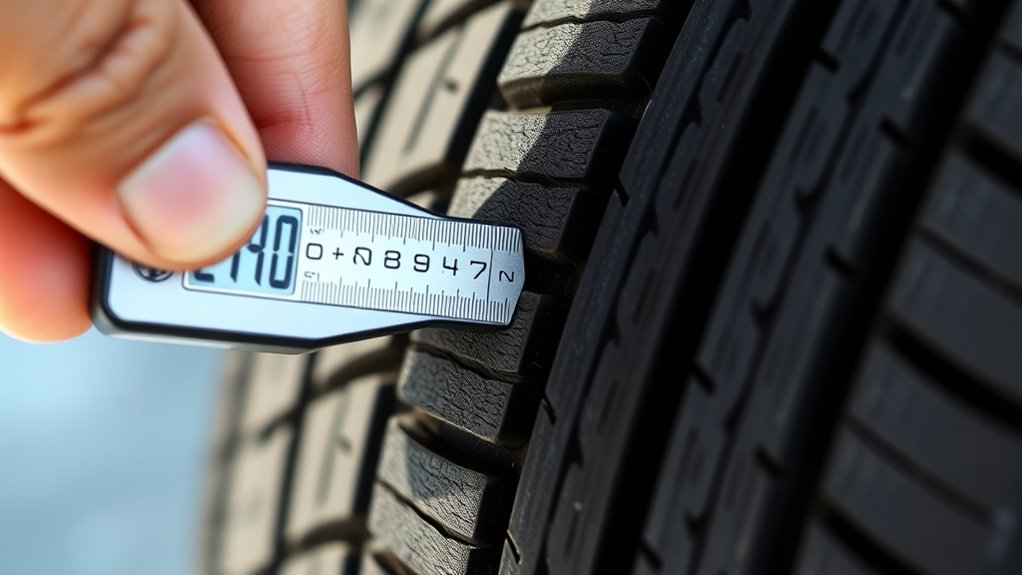
Measure tire tread depth in the main grooves at several points around the tire, not just in one spot. Check the grooves across the tread’s center, both shoulders, and the areas between them.
Place the gauge’s measuring tip at the groove’s lowest point. Avoid tread wear indicators, raised lettering, and debris that could distort the reading.
Repeat your checks around the tire’s circumference, including at least three locations on each side and through the center. This approach helps you spot uneven wear, such as one shoulder wearing faster than the other or isolated patches with reduced depth.
Inspect all four tires because front and rear tires can wear differently.
Before measuring, confirm proper Tire pressure. An incorrectly inflated tire can create misleading wear patterns.
If you notice consistent wear on one edge, check your Wheel alignment. Always measure on a cool, clean tire, and keep the gauge perpendicular to the tread surface for a reliable contact point.
What Do Tread Depth Numbers Mean?
Tread depth numbers show how much usable tread remains, usually measured in 32nds of an inch. These measurements help you assess traction and keep track of tire wear. Once you understand the safety and replacement limits, you’ll know when it’s time to install new tires.
Tread Depth Measurements
When you check a tire’s tread depth, the number shows how much usable rubber remains in 1/32-inch increments. A gauge’s probe reaches the grooves, while its base rests on the tread blocks. Read the scale where the probe meets the gauge body.
For example, a reading of 8 means approximately 8/32 inch of groove depth. Measure several locations across each tire, including the inner, center, and outer grooves, because wear may not occur evenly.
Compare readings from tires on the same axle and note differences between positions. Consistent measurements help you evaluate how your driving habits, tire rotation schedule, and wheel alignment affect wear.
Record each result with the tire’s location and date. Tracking these numbers over time lets you recognize changing wear patterns and plan routine maintenance more accurately.
Safety And Replacement Limits
A tire with 6/32 inch or more tread generally has substantial usable depth, while 4/32 inch signals reduced wet-weather performance and the need to plan for replacement.
As your tread approaches 2/32 inch, treat that measurement as the legal replacement limit in many regions, not a safe target. At this depth, grooves struggle to channel water, and your risk of hydroplaning increases.
Check several points across each tire because uneven wear can leave one area dangerously shallow. Maintain proper Tire inflation to support even wear, handling, and braking.
Adequate tread also preserves Road grip on wet, snowy, or loose surfaces. Replace tires sooner if you notice cracks, bulges, exposed cords, vibration, or repeated pressure loss.
Consult local regulations and your vehicle manufacturer’s guidance before deciding when to replace them.
How Can You Read the Gauge Accurately?
To read the gauge accurately, place the probe firmly in the tread groove. Hold the gauge at eye level, then read the measurement where the indicator meets the scale. Record the result so you can compare the tread depth across your tires.
Position the Probe
Place the probe’s tip squarely in the tread groove, keeping it perpendicular to the tire’s surface. Don’t angle the tool or let the tip rest against a tread block’s edge, because either position can distort the reading.
Press the probe gently until the gauge’s base sits flat against the tread surface. Keep the tire stationary while you measure, and avoid placing the probe over stones, wear indicators, or embedded debris.
Check several grooves across the tire, including the inner, center, and outer areas, to identify uneven wear. Before measuring, confirm proper Tire pressure, since an underinflated or overinflated tire can change the tread’s contact shape.
Also consider Wheel alignment: uneven wear may signal a positioning issue that affects where you should take additional readings. Reposition the probe carefully for each measurement.
Align the Scale
Once the base sits flat, look straight at the gauge and find where the scale’s reference line meets the measurement markings. Keep your eyes level with the scale to prevent parallax from changing the apparent reading.
Hold the gauge steady, and make sure the sliding rod moves freely without tilting. Identify the unit shown, such as 32nds of an inch or millimeters, then match the reference line to the closest graduation.
If the line falls between marks, estimate the smaller increment rather than forcing the rod or viewing from an angle. Clean dirt from the markings if necessary, because buildup can hide graduations.
Accurate alignment helps you judge tread wear and decide whether Tire rotation or Wheel alignment may deserve attention. Avoid comparing readings until you’ve aligned the scale consistently on each measurement.
Record the Measurement
With the reference line aligned, read the graduation where it meets the scale and note the value immediately. Keep the gauge steady and view it straight on; an angled glance can distort the reading.
Record the measurement in millimeters, not as a vague estimate, and repeat it if the mark falls between graduations. Check several grooves across the tire, including both shoulders, then compare the results.
| Reading | Meaning | Action |
|---|---|---|
| 6 mm or more | Healthy tread | Continue routine checks |
| 3–5 mm | Moderate wear | Monitor regularly |
| Below 3 mm | Unsafe wear | Replace the tire |
Write each value beside its tire position so you can identify uneven wear. Uneven results may point to incorrect Tire pressure or poor Wheel alignment.
Don’t round aggressively. Consistent notes help you track tread loss and schedule service before traction declines.
What Tread Depth Is Safe for Driving?
For safe driving, replace your tires when the tread reaches 2/32 of an inch, the legal minimum in many areas. You’ll gain better traction by replacing them sooner, especially before wet or snowy weather.
As part of regular Tire maintenance, measure each tire in several spots and act on the shallowest reading. Uneven wear can reduce grip even when the average depth looks acceptable.
- New tires often measure about 10/32 to 12/32 of an inch.
- At 6/32, wet-weather traction may begin declining.
- At 4/32, stopping on wet roads can take longer.
- At 3/32, plan replacements before conditions worsen.
- At 2/32, replacement becomes urgent and legally required in many regions.
Your driving conditions matter, too. Frequent rain, ice, heavy loads, or high speeds demand more tread for control.
Check pressure monthly, inspect for damage, and rotate tires according to your vehicle maker’s schedule. These habits support Road safety and help you respond before worn tires compromise braking, steering, or stability.
Always confirm local regulations and follow professional advice when readings differ.
How Do Tread Depth Gauges Compare With Wear Bars?
A tread depth gauge gives you a precise measurement, while wear bars provide a quick visual warning. You place the gauge’s probe in a tread groove and read the result, usually in thirty-seconds of an inch or millimeters.
This measurement helps you track tread wear accurately and compare it with your tire manufacturer’s recommendation.
Wear bars, also called tread-wear indicators, sit inside the grooves at a fixed height. When the surrounding tread becomes level with these raised bars, your tire has reached the legal replacement limit in many regions.
They’re convenient, but they don’t show how close you are to that point beforehand.
Use both checks together. Wear bars let you spot an urgent replacement need during a quick inspection, while a gauge reveals gradual loss and supports better maintenance decisions.
Adequate tread depth helps preserve road grip on wet surfaces, so measure regularly rather than relying only on a visual check. Replace tires promptly when measurements or wear bars indicate insufficient tread.
Why Does Tread Depth Vary Across a Tire?
While wear bars show when tread has reached a limit, a gauge can reveal uneven wear before that happens. Your tire may lose tread at different rates because each section faces distinct forces.
Inflation, alignment, suspension condition, driving habits, and load distribution all affect contact with the road surface. Tire manufacturing can also create small variations in rubber, construction, or balance.
Check several points across each groove instead of relying on one reading. Picture how these patterns develop:
- Center wear often points to overinflation.
- Both shoulders wearing faster can indicate underinflation.
- One shoulder wearing faster may signal poor alignment.
- Cupped patches can reflect worn suspension parts or imbalance.
- A sawtooth pattern may develop from alignment or rotation issues.
Measure when the tires are cold, then compare readings across the tread and between tires. You’ll spot patterns that a single measurement can hide.
Uneven depth can reduce traction, increase noise, and shorten tire life, so investigate the cause rather than simply replacing the tire. Regular checks help you respond before wear becomes severe.
Should You Choose a Digital or Manual Gauge?
Choosing between a digital and manual tread depth gauge depends on how quickly and precisely you want to check your tires. A digital gauge displays measurements on a screen, making Digital accuracy easy to read, especially when you’re comparing small differences between tread grooves.
Many models switch between measurement units and store readings, which can help you track results consistently. However, you’ll need batteries, and moisture or a damaged display can affect convenience.
Switchable units and stored readings improve consistency, but batteries and moisture can affect digital gauge convenience.
A manual gauge offers manual convenience because it’s lightweight, inexpensive, and ready whenever you need it. Its sliding rod or calibrated scale doesn’t require batteries, but you must position it correctly and read the markings carefully.
Bright light, worn numbers, or limited eyesight may make interpretation harder. For occasional checks, a basic manual tool usually works well.
If you inspect several tires regularly or prefer quick, clearly displayed measurements, a digital model may suit you better. Whichever type you choose, select a durable gauge with clear markings and a stable measuring tip for consistent results.
When Should You Replace the Tire?
You should replace your tire when its tread reaches the legal minimum depth in your area. Also, look for uneven wear, cracks, bulges, or exposed cords, since these signs may indicate unsafe damage. Using a tread depth gauge can help you know when it’s time for a replacement—before the tire loses essential traction.
Legal Tread Depth
In the United States, you should replace a tire when its tread reaches the legal minimum of 2/32 inch (1.6 mm), typically marked by built-in tread-wear indicators. Use a tread depth gauge to confirm the measurement rather than relying solely on appearance.
Replace the tire promptly at or below this limit, even if it still seems usable.
- Check each tire at several points across its tread.
- Measure before long trips or seasonal driving changes.
- Consider local laws, which may set different requirements.
- Account for road conditions that demand greater traction.
- Maintain proper tire inflation to protect usable tread.
The legal threshold represents the minimum allowed for safe, lawful operation, not an ideal replacement target.
You’ll usually gain better wet-weather performance by replacing tires before they reach it. Follow your vehicle manufacturer’s guidance and consult a qualified tire professional when measurements approach the limit.
Don’t delay replacement once your gauge confirms 2/32 inch.
Signs of Tire Wear
Visible wear signs can tell you when a tire needs replacement, even before the tread reaches the legal limit. Check for cracks, cuts, bulges, or bubbles on the sidewall, which can signal internal damage.
Replace the tire if you notice uneven wear, such as bald spots, cupping, or excessive wear on one edge. These patterns may indicate poor alignment, improper inflation, or suspension problems, so have your vehicle inspected.
Look for treadwear indicator bars across the grooves. When the tread becomes level with them, replace the tire.
You should also replace tires showing exposed cords, repeated punctures, or persistent vibration. Include regular inspections in your Tire maintenance routine, and don’t ignore aging tires, even if they look acceptable.
Prompt replacement protects your Road safety and improves handling, braking, and traction.
Frequently Asked Questions
How Often Should You Check Your Tire Tread Depth?
You should check your tire tread depth at least once a month and before every long trip. Inspect each tire for uneven wear, embedded objects, or visible damage, and measure several grooves across the tread.
Check again after a Tire rotation, because wear patterns can change. If tread reaches 2/32 inch, schedule tread replacement immediately.
You shouldn’t wait for the wear bars; reduced traction can make wet-road driving dangerous.
Can Cold Temperatures Affect Tire Tread Depth Gauge Readings?
Cold temperatures can affect tire tread depth gauge readings, especially with digital or inexpensive tools. Temperature sensitivity may slightly change electronic components, battery performance, or the tire’s rubber flexibility, while dirt and moisture can add error.
As a useful statistic, tire pressure typically drops about 1 psi for every 10°F decrease, though tread depth itself changes minimally. For calibration accuracy, let your gauge reach room temperature, clean its tip, and compare it with a known standard.
How Should You Clean and Maintain a Tire Tread Depth Gauge?
Wipe your tire tread depth gauge with a soft, dry cloth after each use to remove dirt and moisture. If grime persists, use a slightly damp cloth, then dry it completely; don’t submerge or spray the tool.
Check the probe for debris and move it smoothly. Follow Calibration procedures regularly, comparing readings with a known standard.
For Storage best practices, keep it in a protective case, away from heat, chemicals, and humidity.
Are Tire Tread Depth Gauges Compatible With Motorcycle or Trailer Tires?
Yes, you can use most tire tread depth gauges with Motorcycle tires and Trailer tires. Choose a gauge with a probe that reaches the tread grooves and a scale suited to your measurement needs.
For motorcycle tires, measure the center and both shoulder areas, since wear can vary across the profile. For Trailer tires, check several grooves around each tire.
Keep the gauge clean, calibrated, and firmly positioned for accurate readings.
Can a Tire Tread Depth Gauge Detect Uneven Tire Wear?
Yes, a tire tread depth gauge can reveal uneven wear by showing different measurements across the same tire. Picture each tread pattern as a row of footprints: if some grooves look shallow while others remain deep, your tire isn’t wearing evenly.
Take readings at the inner, center, and outer edges, then compare them. Uneven wear may signal misalignment, improper inflation, suspension problems, or rotation needs. Address those clues promptly for safer driving.
Conclusion
Ultimately, using a tire tread depth gauge isn’t rocket science, though your tires may appreciate the attention as if you’ve invented traction. Press the gauge into several grooves, read the measurement carefully, and compare it with safe limits and wear bars.
Check across the tread, because tires can develop uneven wear. Choose a digital or manual gauge, then replace worn tires promptly. After all, ignoring tread depth is a remarkably efficient way to audition for roadside drama. A tire tread depth gauge helps you stay safer and maintain proper traction.