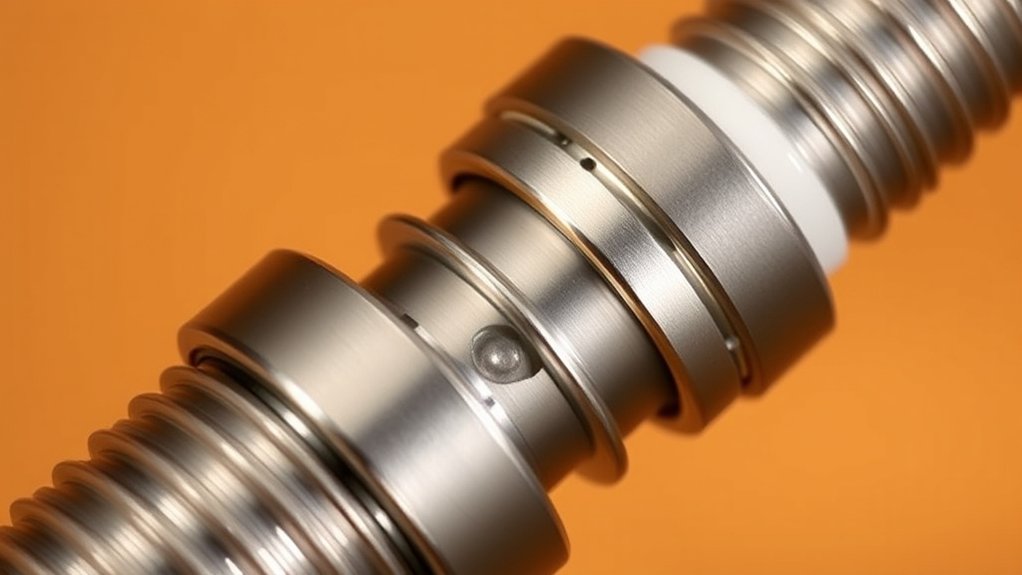
How Does a Platinum Spark Plug Work?
Struggling with hard starts, rough idling, or declining fuel economy? You’re not alone—many drivers have trouble finding the right spark plug for dependable engine performance. In this roundup, we’ll explain how a platinum spark plug works and what to look for when choosing one.
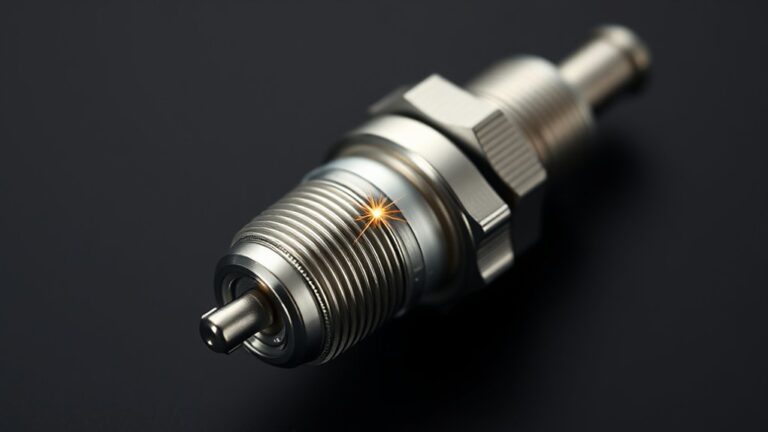
A platinum spark plug uses high voltage from your ignition system to jump the gap between its center and ground electrodes, igniting the air-fuel mixture in your engine. Its platinum coating resists heat, erosion, and chemical wear, helping maintain the correct gap and deliver a consistent spark.
When you choose the proper heat range and specification, you’ll get reliable starts, smooth combustion, better efficiency, and fewer emissions. You’ll soon see how to select, maintain, and replace one.
Key Takeaways
- The ignition system sends high voltage through the center electrode, creating a spark across the gap to the ground electrode.
- This spark ignites the compressed air-fuel mixture inside the engine cylinder at precisely timed intervals.
- The ceramic insulator prevents electrical leakage, while the metal shell secures the plug and transfers heat.
- Platinum resists erosion and chemical attack, preserving the electrode shape and spark gap through repeated combustion cycles.
- A properly selected and gapped platinum plug supports reliable starting, smooth operation, efficient combustion, and reduced emissions.
What Is a Platinum Spark Plug?
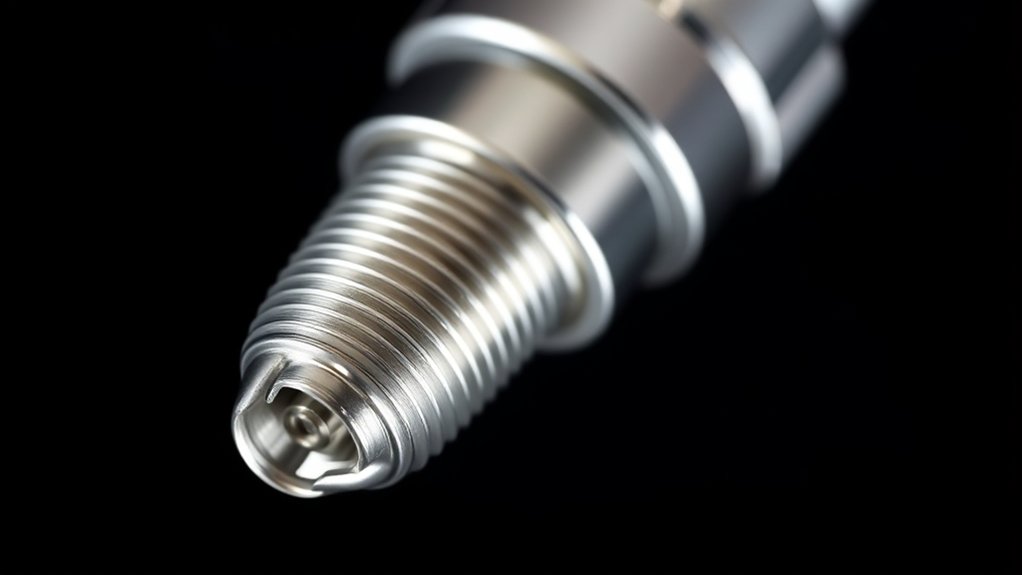
A platinum spark plug is an ignition component with a platinum disc or tip welded to its center electrode. You’ll find it inside a gasoline engine, where it helps create the conditions needed for reliable combustion.
Unlike a conventional copper spark plug, it uses platinum because this metal resists wear, corrosion, and high temperatures. That durability allows manufacturers to use a finer electrode design, which supports consistent performance over a longer service interval.
When you choose a platinum plug, you’re selecting a component designed to maintain its shape and effectiveness through repeated engine operation. A stable plug can help your engine run smoothly, support Fuel efficiency, and contribute to Emission reduction when the ignition system and other components work properly.
However, platinum doesn’t automatically improve every vehicle’s performance. You should match the plug’s heat range, size, and specifications to your engine. Proper selection and timely replacement help you get dependable starting, steady acceleration, and long-lasting value.
How Does a Platinum Spark Plug Create a Spark?
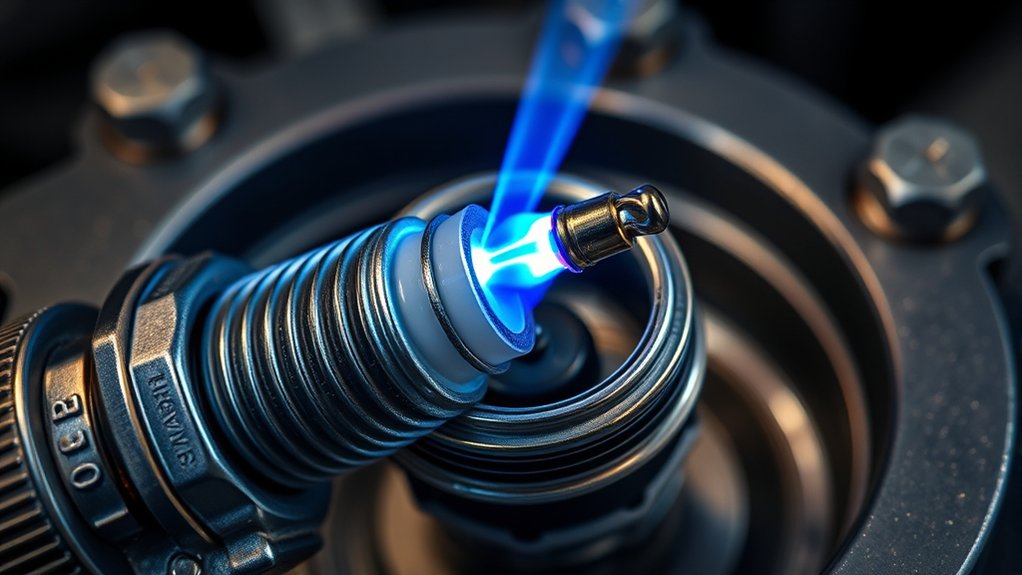
When your ignition system sends high voltage to the platinum spark plug, electricity jumps the gap between the center and ground electrodes. This discharge creates the spark that ignites the compressed air-fuel mixture inside your engine’s cylinder.
The spark must arrive at precisely the right moment, so your ignition system coordinates voltage delivery with the engine’s timing. As the mixture burns, expanding gases push the piston downward and produce power.
Platinum helps the plug fire reliably because it resists erosion and maintains a consistent gap over many miles. That stability supports dependable starting, smooth acceleration, and efficient combustion.
When combustion remains complete and consistent, you’ll typically achieve better Fuel efficiency while producing fewer unburned hydrocarbons. This process also contributes to emission control by helping your engine burn more of the mixture during each cycle.
If the gap becomes worn or the spark weakens, you may notice misfires, rough idling, reduced power, and increased fuel consumption.
What’s Inside a Platinum Spark Plug?
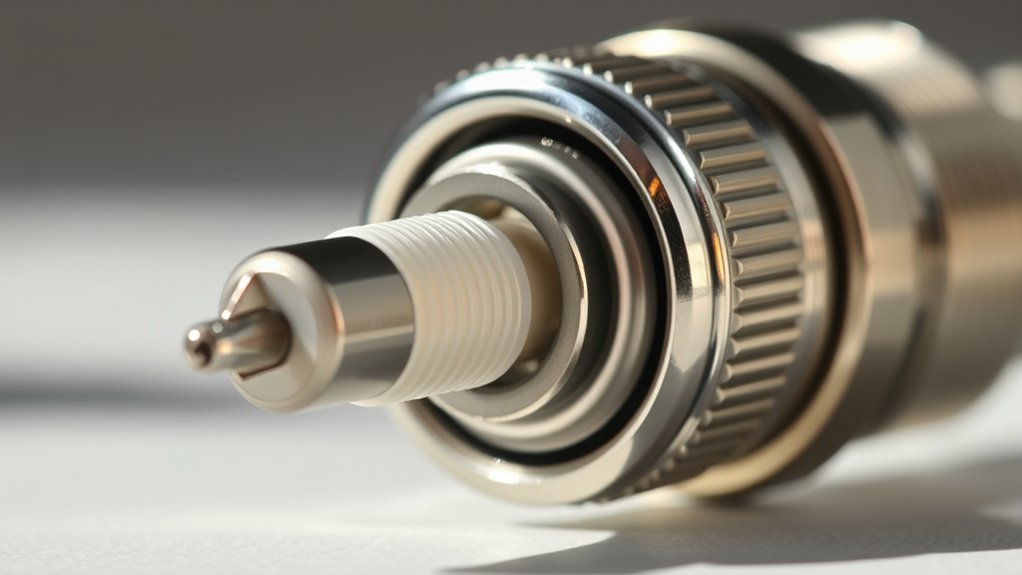
Inside a platinum spark plug, you’ll find a threaded metal shell, an insulated ceramic body, a center electrode, and a ground electrode. Together, these parts create a controlled path for high voltage and position the spark inside your engine’s combustion chamber.
A platinum spark plug combines insulated and conductive components to deliver a precise spark inside the engine’s combustion chamber.
- Metal shell: You tighten it into the cylinder head, where its threads secure the plug and help transfer heat.
- Ceramic insulator: This nonconductive body surrounds the center electrode, preventing electricity from escaping before the intended gap.
- Center electrode: Connected to the ignition system, it receives voltage and directs it toward the ground electrode.
- Ground electrode: Attached to the shell, it completes the electrical circuit across the gap.
The platinum material coats or forms part of the electrode, supporting a consistent spark. Proper electrode spacing helps your engine maintain accurate Ignition timing, while a clean, correctly installed plug can support Fuel efficiency.
The terminal, seals, and internal resistor also manage electrical connection and interference.
Why Platinum Resists Heat and Wear
When you look at platinum’s durability, its high melting point stands out. It helps the electrode withstand the intense temperatures produced inside a spark plug.
Platinum also resists wear, so it can handle repeated sparking and constant engine vibration. Together, these qualities help platinum spark plugs last longer.
High Melting Point
Platinum’s high melting point lets the spark plug’s center and ground electrodes withstand intense combustion heat without softening or deforming. As you drive, temperatures rise sharply during ignition, yet platinum remains stable and keeps the electrode geometry consistent. That stability helps the spark occur where your engine needs it.
- Heat tolerance: Platinum handles extreme cylinder temperatures without melting.
- Dimensional stability: It preserves precise electrode shape during repeated combustion cycles.
- Chemical stability: It resists hot-gas reactions that could compromise the metal.
- Efficient design: You can use a fine electrode while maintaining dependable operation.
The manufacturing process must control platinum placement and bonding carefully, ensuring the material performs reliably inside the plug. This choice also supports a lower environmental impact because stable performance can help reduce misfires and unnecessary fuel consumption.
High-temperature capability forms the foundation for platinum’s durability, while later design features address electrode wear.
Enhanced Wear Resistance
Unlike ordinary nickel alloys, platinum resists erosion from repeated sparks and exposure to hot combustion gases. When you choose a platinum alloy, you give the center electrode a harder, more stable surface that withstands oxidation, chemical attack, and intense temperature swings.
Each ignition event creates heat and electrical stress, yet platinum retains its shape instead of wearing away rapidly. As the electrode wears, the spark gap grows, forcing the ignition system to work harder and potentially causing misfires.
Platinum’s durability helps preserve the designed gap for far longer, so you can expect consistent ignition, smoother performance, and fewer replacements. Although no plug lasts forever, platinum slows electrode erosion appreciably.
That extended service life makes platinum spark plugs a practical choice for drivers who want reliable operation under demanding conditions.
How Platinum Supports Reliable Ignition
Platinum supports reliable ignition by providing a durable, heat-resistant electrode that maintains a consistent spark gap over time. When you start your engine, that stability helps the plug produce a strong spark, even under demanding temperatures and pressures.
You’ll notice smoother starts, steadier combustion, and dependable performance across changing driving conditions.
- Consistent sparking: Platinum resists erosion, helping the electrode deliver energy predictably.
- Stable combustion: A focused spark ignites the air-fuel mixture more completely.
- Fuel efficiency: More complete burning helps your engine use gasoline effectively.
- Emission control: Efficient combustion can reduce unburned fuel and support cleaner exhaust.
Because platinum handles intense heat without easily degrading, you can rely on consistent ignition during acceleration, idling, and cold starts.
Its refined electrode design also requires less voltage to create a spark, easing demand on the ignition system. You’ll get responsive engine operation without sacrificing everyday drivability or combustion consistency.
How Long Do Platinum Spark Plugs Last?
Most platinum spark plugs last about 60,000 to 100,000 miles, although your vehicle’s engine, driving conditions, and maintenance schedule can shorten or extend that interval. Check your owner’s manual for the recommended replacement mileage.
Inspect the plugs sooner if you notice hard starts, rough idling, misfires, or reduced acceleration. Worn plugs can lower fuel efficiency and weaken emission control, so timely replacement helps your engine run cleanly and consistently.
| Condition | Possible effect |
|---|---|
| Frequent short trips | Faster fouling |
| Heavy towing | Greater wear |
| Oil or coolant leaks | Plug contamination |
Your maintenance habits also matter. Fix leaks, use the correct fuel, and address warning lights promptly to protect plug life.
During service, a technician can examine the electrodes, insulator, and gap for signs of wear. Don’t wait for a complete failure. A damaged plug can stress the ignition system and leave you stranded.
Replacing the full recommended set usually maintains balanced engine performance and dependable starting.
Platinum vs. Copper and Iridium Plugs
Choosing among copper, platinum, and iridium spark plugs depends on your engine’s design, maintenance needs, and budget. Copper plugs conduct heat well and deliver strong performance, but their softer electrodes wear faster. Platinum plugs resist erosion, maintain a consistent spark, and typically last longer than copper. Iridium plugs use a harder, finer electrode, offering excellent durability, efficient ignition, and reliable performance under demanding conditions.
- Copper: You’ll usually pay less upfront, but you may replace them more often.
- Platinum: You gain a useful balance of longevity, performance, and affordability.
- Iridium: You’ll spend more, yet extended service life can offset that cost.
- Maintenance tips: Check manufacturer intervals, inspect deposits, and use the correct gap.
Your engine’s ignition system determines compatibility, so don’t assume the most expensive plug automatically works best. Copper can suit older applications, while platinum or iridium often supports modern engines with precise ignition requirements.
Always follow the vehicle manufacturer’s specifications and torque guidance to protect threads and ensure proper sealing.
How to Choose the Right Platinum Plug
To choose the right platinum plug, start by matching it to your engine’s specifications. Check the recommended heat range, and then think about your usual driving conditions.
Match Engine Specifications
Match the platinum spark plug to your engine’s specifications, including thread size, reach, heat range, electrode design, and gap. Check your owner’s manual or manufacturer’s catalog before you buy.
The correct plug seats properly, seals the combustion chamber, and supports consistent ignition.
- Thread size: Choose the exact diameter and pitch to prevent cross-threading or poor sealing.
- Reach: Match the threaded length so the tip sits correctly without contacting internal components.
- Electrode design: Select the specified center and ground-electrode shape for reliable spark transfer.
- Gap: Use the manufacturer’s setting to promote smooth starts and complete combustion.
A correctly matched platinum plug can improve fuel efficiency, support emission control, and reduce misfires.
Don’t rely on appearance alone. Similar plugs may have different dimensions or electrical characteristics.
Confirm the part number, engine code, and vehicle year before installation.
Check Heat Range
Heat range controls how quickly a platinum spark plug transfers heat from its firing tip to the cylinder head. Choose the range specified by your vehicle manufacturer, because the wrong rating can damage the engine or reduce performance.
A plug that’s too hot may retain excessive heat, causing pre-ignition, detonation, or electrode wear. A plug that’s too cold may foul with deposits, creating misfires and difficult starting.
Check your owner’s manual or a trusted parts catalog for the correct heat-range code. Compare the replacement plug’s specifications before installation.
Don’t select a different range to compensate for unrelated engine problems. The proper choice supports stable combustion, fuel efficiency, emissions control, and reliable ignition.
Replace plugs as a complete, correctly matched set to maintain consistent firing across all cylinders.
Consider Driving Conditions
Consider how you drive when choosing a platinum spark plug. Frequent short trips, stop-and-go traffic, towing, or extended high-speed driving can affect combustion and deposit buildup.
Match the plug’s heat range and design to your vehicle manufacturer’s recommendations. Then consider these conditions:
- Short trips: Choose a plug that reaches operating temperature quickly, helping resist fouling from incomplete combustion.
- City traffic: Select a dependable platinum plug that supports consistent ignition during repeated starts and idling.
- Towing or heavy loads: Verify the correct heat range and gap to handle increased cylinder pressure without misfires.
- Highway driving: Use a plug suited to sustained heat, protecting performance and durability.
The right choice can improve Fuel efficiency, support Emission control, and reduce maintenance.
Check your owner’s manual before purchasing, because engine modifications may require a different plug specification.
Common Platinum Spark Plug Problems and Causes
Platinum spark plugs can still develop problems when they’re worn, contaminated, improperly gapped, or exposed to engine issues. Oil or coolant entering the combustion chamber can coat the tip, while carbon deposits from rich fuel mixtures may prevent a strong spark.
Excessive heat, preignition, and detonation can also damage the insulator or electrode. If you install a plug with the wrong heat range, your engine may foul it quickly or overheat it.
A damaged ignition coil, failing injector, vacuum leak, or weak battery can create symptoms that seem like plug trouble. You might notice hard starting, rough idling, hesitation, misfires, or reduced power.
These faults can lower fuel efficiency and interfere with emission control by allowing unburned fuel into the exhaust. Check for diagnostic trouble codes and inspect related ignition and fuel-system components before blaming the plug.
Correcting the underlying cause helps restore smooth combustion and prevents additional damage to the engine’s ignition system.
When Should You Replace Platinum Spark Plugs?
Replace platinum spark plugs according to your vehicle manufacturer’s service interval, or sooner if they show signs of wear or fouling.
Many platinum plugs last 60,000 to 100,000 miles, but your engine, driving conditions, and plug design can change that schedule. Check your owner’s manual rather than relying on a universal mileage rule.
Replace them promptly when you notice:
- Hard starting, rough idling, or engine misfires.
- Sluggish acceleration or reduced fuel efficiency.
- A check-engine light, especially with a misfire code.
- Increased exhaust emissions or failed emission control testing.
Inspect the plugs during routine service. Worn electrodes, cracked porcelain, heavy carbon deposits, oil fouling, or an excessive gap indicate replacement.
Don’t ignore these signs. A weak spark can strain ignition coils, damage the catalytic converter, and increase fuel consumption.
Install the correct heat range and gap, and replace the entire set when appropriate. Afterward, your engine should start more easily, run smoothly, and maintain cleaner combustion.
Clear stored fault codes only after fixing the underlying problem.
Frequently Asked Questions
Can Platinum Spark Plugs Improve Fuel Economy?
Yes, platinum spark plugs can improve fuel economy, but usually only modestly. Their durable electrodes maintain a reliable spark longer, helping your engine burn fuel more consistently.
If your existing plugs are worn, replacing them with platinum versions may restore lost Fuel efficiency and support smoother performance. They can also contribute to Emission reduction by promoting more complete combustion.
However, proper maintenance, tire pressure, driving habits, and engine condition typically affect your mileage more.
Are Platinum Spark Plugs Compatible With All Engines?
No, platinum spark plugs aren’t compatible with every engine. You’ll need to match the plug’s thread size, reach, heat range, electrode design, and required gap to your vehicle manufacturer’s specifications.
Many gasoline engines accept platinum plugs, but some specifically require copper or iridium types. When comparing platinum vs iridium, check your owner’s manual rather than assuming interchangeability. Using the wrong plug can cause misfires, poor performance, or engine damage.
Do Platinum Spark Plugs Require Special Installation Tools?
Usually, you don’t need special installation tools for platinum spark plugs. For example, you can replace one in a typical sedan using a spark-plug socket, ratchet, extension, and gap gauge.
You should check your vehicle’s torque specifications and use a torque wrench to tighten each plug correctly. A socket with a rubber insert helps prevent damage.
Anti-seize or thread lubricant may be inappropriate unless the manufacturer specifically recommends it for your engine.
Can I Clean and Reuse Platinum Spark Plugs?
You can clean and reuse platinum spark plugs if they’re lightly fouled and undamaged, but replacement usually works better.
Remove deposits with a soft brush or approved plug cleaner. Don’t sand, scrape, or use aggressive chemicals, which can damage the platinum tip.
Check the gap and inspect for erosion, cracks, or worn electrodes. Electrode longevity supports longer service, while cost considerations favor cleaning only when the plugs remain within specifications.
Are Platinum Spark Plugs Suitable for High-Performance Vehicles?
Yes, platinum spark plugs can suit high-performance vehicles, but you’ll need to match them to your engine’s demands. Think of them as reliable runners, not always racehorses.
For High Performance Compatibility, check your manufacturer’s heat range, ignition system, compression, and tuning requirements. Their fine electrodes support consistent ignition and long service life.
However, Durability Factors include extreme cylinder temperatures, boost, and aggressive ignition timing. Some engines perform better with iridium or specialized racing plugs.
Conclusion
When you turn the key, your platinum spark plug springs to life inside the engine’s heat and pressure. A tiny electrical arc leaps across the gap, igniting the air-fuel mixture and powering every mile.
Platinum’s tough center electrode helps that spark stay consistent, resisting erosion longer than ordinary materials. Still, no plug lasts forever.
Choose the correct type, watch for warning signs, and replace it on schedule. Understanding how a platinum spark plug works helps your engine start confidently and run smoothly.
For a deeper, authoritative overview of how ignition components work, see spark plug.