How Does a Portable Air Compressor Work in Simple Steps
Choosing the right portable air compressor can feel overwhelming, especially when you need reliable power for inflating tires, running tools, or handling quick repairs. You’re not alone—many people struggle to understand how these compact machines work and which features matter most.
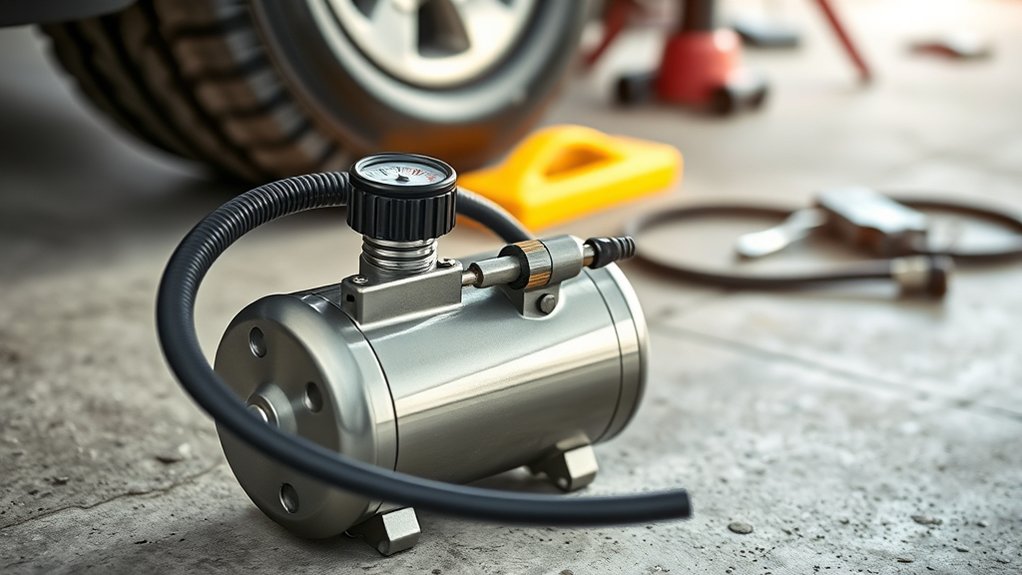
How does a portable air compressor work? You plug in or start the compressor, and its motor drives a pump that pulls air through a filter. The pump squeezes the air into a smaller space, increasing its pressure.
The compressed air fills a storage tank, while a pressure switch turns the motor off when the tank reaches its limit and on when pressure drops. You set delivery pressure with the regulator, then send air through a hose to your tool.
Continue for details on safe use and troubleshooting.
Key Takeaways
- An electric or gasoline motor powers a pump that draws outside air through an intake filter.
- The pump compresses the air by reducing its volume, increasing its pressure.
- Compressed air collects in a storage tank, providing a reserve for connected tools.
- A pressure switch turns the motor on or off to maintain the tank’s pressure automatically.
- A regulator and gauge control and display delivered pressure as air travels through the hose to the tool.
How a Portable Air Compressor Works
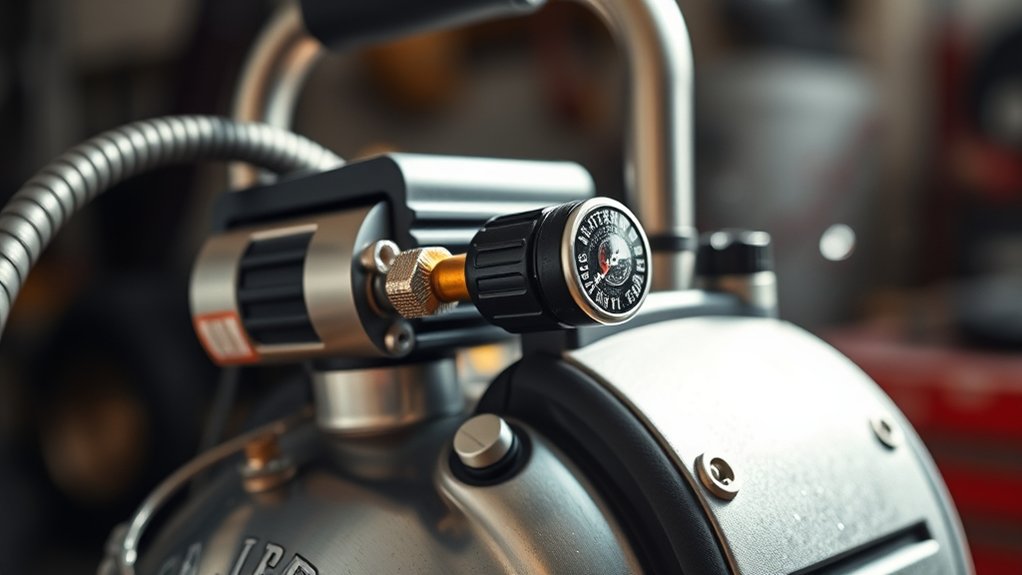
A portable air compressor works by using a motor to drive a pump that draws in and compresses air. As you use the machine, the motor supplies mechanical power, while the pump reduces air’s volume and raises its pressure.
A portable air compressor uses a motor-driven pump to draw in air, reduce its volume, and increase its pressure.
The compressed air then moves into a storage tank, where it remains available until you connect a tool. A pressure switch monitors the tank and turns the motor off when pressure reaches its set limit.
When pressure drops, the switch restarts the motor automatically. You control airflow through a regulator, which adjusts pressure to match your tool’s requirements.
A check valve helps keep stored air from flowing backward through the pump. Safety features, including a relief valve and drain valve, help protect the system during operation and maintenance.
Air filtration can remove contaminants, while noise reduction features make the compressor more comfortable to operate in garages, workshops, or job sites.
How a Portable Compressor Draws In Air
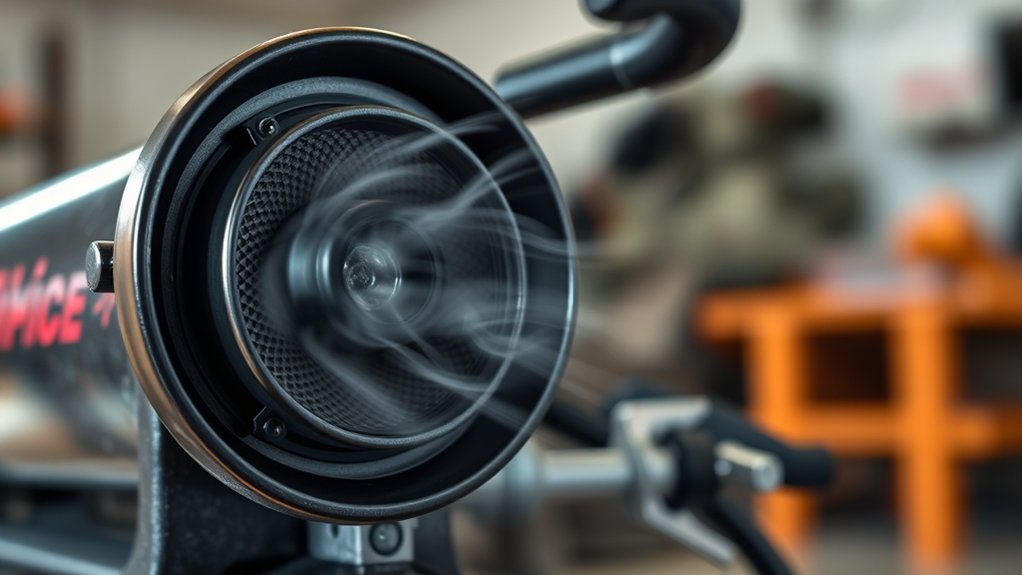
When you switch on a portable air compressor, its pump creates a partial vacuum that pulls outside air through the intake filter. This opening action begins at the Air intake, usually located on the compressor’s outer housing.
As the pump’s moving parts create lower pressure inside the inlet passage, atmospheric pressure pushes surrounding air toward the machine. The filter catches dust, dirt, and other particles before they enter the intake path, helping protect internal components.
You’ll often find a small screen, foam element, or pleated cartridge behind the intake cover. Keep this area clear so air can flow freely.
During filter maintenance, inspect the element for visible debris, clean it according to the manufacturer’s instructions, or replace it when necessary. A clogged filter restricts airflow and makes the compressor work harder.
Check that the cover fits tightly, too, because gaps can let unfiltered air bypass the filter and enter the machine.
How the Pump Compresses Air
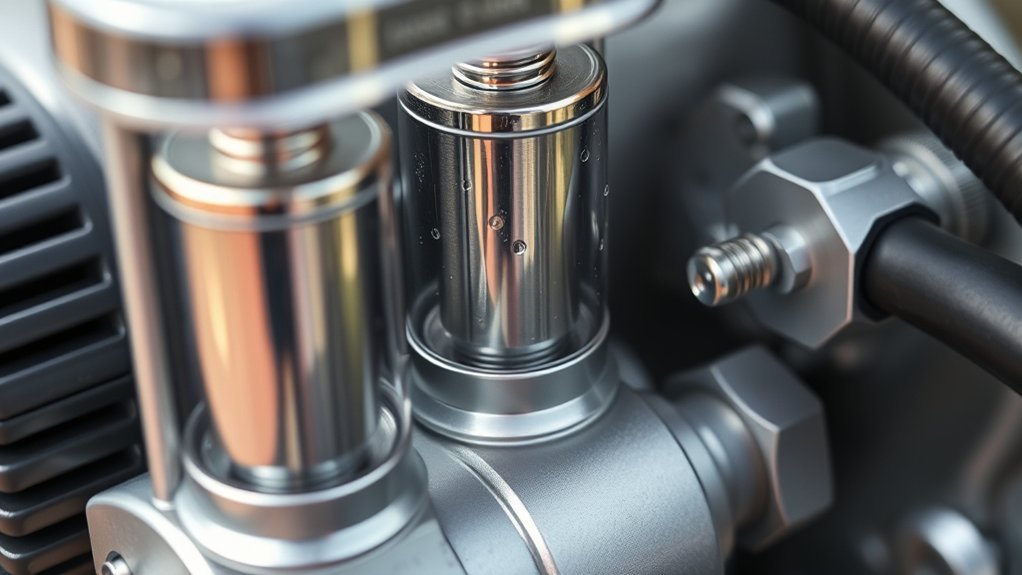
As the pump draws air through the intake, its piston or diaphragm reduces the air chamber’s volume, forcing the trapped air into a smaller space. As the chamber shrinks, pressure rises.
A one-way inlet valve closes to prevent air from flowing backward, while an outlet valve opens when the pressure exceeds the line pressure. The pump then pushes each compressed pulse forward through the discharge path.
With a piston model, the crankshaft drives the piston back and forth, creating repeated intake and compression strokes. A diaphragm model flexes a durable membrane instead, keeping the air separate from moving parts.
Air filtration helps remove dust and debris before they can enter the chamber, protecting seals and valves. Lubricated pumps use oil to reduce friction, while oil-free designs rely on special coatings and materials.
Noise reduction features, such as insulated housings and vibration-damping mounts, make operation more comfortable without changing the compression process. You’ll hear the motor cycle as pressure builds.
Where the Compressed Air Is Stored
After the pump compresses the air, it sends it into a storage tank, often called a receiver. This durable container holds pressurized air until you need it for a tool or task. You’ll usually find the air tank mounted beneath or beside the compressor pump, with a compact design that keeps the unit portable.
The tank’s storage capacity determines how much compressed air you can use before the pump must refill it. A larger tank supports longer bursts for demanding tools, while a smaller tank keeps the compressor lighter and easier to carry.
The tank also provides a reserve, so your tool can receive a steadier supply instead of relying only on the pump’s immediate output.
Inside, the air remains under pressure, while moisture can collect as the air cools. You should drain the tank regularly to limit rust and preserve safe operation.
Always check the tank’s rating, fittings, and condition before using your compressor.
How the Pressure Switch Controls the Motor
Your compressor’s pressure switch monitors the air tank’s pressure. When the pressure drops below the set point, it turns the motor on. Once the tank reaches the upper limit, it shuts the motor off. This automatic cycle keeps the air supply ready without making the motor run continuously.
Pressure Level Detection
A pressure switch monitors the tank’s air level and controls when the compressor motor runs. Inside the switch, pressure sensors detect the force of compressed air against a diaphragm or piston.
As tank pressure changes, that component moves and activates electrical contacts. When pressure reaches the set limit, the contacts change position and signal the motor circuit.
When pressure falls below the lower setting, the switch detects the difference and prepares the circuit to respond. You can adjust these limits on some portable compressors, while factory settings protect the pump and tank from unsafe pressure.
Airflow measurement isn’t the switch’s primary task; it focuses on stored pressure. This simple detection system gives you reliable pressure information and helps the compressor respond appropriately during operation without requiring constant manual monitoring or adjustment.
Automatic Motor Cycling
Once the pressure switch senses that tank pressure has dropped below the lower limit, it closes the motor circuit and starts the compressor. As pressure rises to the upper limit, the switch opens the circuit, stopping the motor automatically.
You get steady airflow without monitoring the gauge constantly. This cycling supports energy efficiency because the motor runs only when needed. It also reduces noise by preventing continuous operation during pauses.
| Stage | Switch action | Motor result |
|---|---|---|
| Pressure low | Circuit closes | Starts |
| Pressure rising | Circuit remains closed | Runs |
| Pressure full | Circuit opens | Stops |
You can adjust the cut-in and cut-out settings on some models, but stay within the manufacturer’s limits. An unloader valve may release trapped air from the pump head, helping the motor restart smoothly.
Check for rapid cycling, which can indicate leaks, restricted airflow, or incorrect settings. Regular maintenance keeps automatic control reliable.
How Compressed Air Reaches Your Tool
After compression, air travels from the tank through a hose or rigid line to your tool. When you open the tool’s trigger or valve, compressed air moves through this passage and supplies the energy needed for nailing, spraying, inflating, or powering equipment.
You connect the hose with couplers that lock together, creating a secure path while letting you switch tools quickly. Choose a hose with the correct diameter and length for your job, because narrow or excessively long hoses can restrict airflow.
Check each connection for leaks, and replace damaged fittings or cracked sections promptly. A clean, dry line protects your tool and improves Air quality, while suitable materials help manage noise levels during operation.
Keep the hose uncoiled and away from sharp edges, heat, and moving parts. As air reaches your tool, its internal components convert the airflow into useful mechanical action.
How the Regulator and Gauge Control Pressure
The regulator controls how much pressure leaves the tank and reaches your tool, while the gauge shows the selected pressure in real time. You turn the regulator knob to adjust the outlet pressure.
Turning it clockwise usually increases pressure, while turning it counterclockwise lowers it. Check your tool’s recommended setting, then adjust gradually to avoid overpressurizing it.
The gauge helps you monitor that setting as you work. It doesn’t show how much air remains in the tank; it displays the pressure supplied after regulation.
Gauge accuracy matters because an incorrect reading can reduce performance or damage your tool. Watch for steady movement and compare the reading with a trusted gauge if it seems questionable.
Proper Regulator calibration keeps the control accurate across its adjustment range. If pressure fluctuates, inspect connections for leaks and allow the compressor to stabilize.
You can then fine-tune the regulator while watching the gauge, ensuring your tool receives consistent pressure for safe, effective operation.
How Portable Compressor Types Differ
Portable compressors differ mainly in power source, tank size, airflow, and portability. You can choose an electric model for quiet, convenient operation near an outlet. A gasoline-powered unit suits remote jobs because you won’t need electrical access, though it’s typically louder and heavier.
Choose electric compressors for quiet, convenient operation near outlets, or gasoline models for powerful performance at remote job sites.
Tank size also affects performance. A small tank fills quickly and keeps the compressor compact, while a larger tank stores more air for longer tool operation. Check the airflow rating, measured in CFM, to verify your compressor can support your tool’s requirements. Higher-demand tools need stronger airflow and often a larger pump.
You’ll also find pancake, hot-dog, twin-stack, and wheelbarrow designs. Compact shapes improve Portable compressor portability, while wheeled models make heavier equipment easier to move.
Oil-free pumps require less Compressor maintenance and work well for occasional use. Oil-lubricated pumps often run more quietly and last longer, but you’ll need to check and change the oil regularly. Compare these features with your workspace and intended tasks before choosing.
How to Use a Portable Air Compressor Safely
Before you start the compressor, inspect the power cord, air hose, fittings, and tank for damage or leaks. Read the manufacturer’s instructions, place the unit on a stable, level surface, and keep it away from water, heat, and flammable materials.
Wear safety glasses and hearing protection, especially in enclosed areas. Check that the pressure switch is off before connecting power, then plug the compressor directly into a grounded outlet.
Never exceed the pressure rating for your tool, hose, or tank. Secure each connection, and keep your hands, clothing, and hair away from moving parts.
Don’t point the air stream at yourself or anyone else. Compressed air can injure skin and eyes. Follow these safety precautions every time you operate the machine.
As useful maintenance tips, drain condensation after use, release pressure before disconnecting accessories, and store the compressor in a dry, ventilated location.
Let the unit cool before moving it, and disconnect power whenever you finish.
How to Fix Common Compressor Problems
Even with proper use, a portable air compressor can develop common problems such as failure to start, low pressure, air leaks, or overheating. First, check the power cord, outlet, fuse, and on/off switch if the motor won’t run. Let the unit cool before resetting its overload protector.
Portable air compressors may fail to start or overheat; check power connections and allow the unit to cool before resetting protection.
For low pressure, inspect the air filter, hose, fittings, and regulator. Clean or replace a clogged filter, and tighten connections with thread sealant. Spray soapy water over joints to find bubbles indicating leaks.
Replace damaged seals, hoses, or couplers. If the compressor overheats, improve ventilation, remove dust from the cooling fins, and verify that you aren’t exceeding its duty cycle.
Follow the manual’s Maintenance tips, including oil changes for oil-lubricated models. Also confirm accessory compatibility, since an unsuitable hose, tool, or fitting can restrict airflow and strain the motor.
Disconnect power before repairs, and contact a qualified technician if electrical faults or internal damage remain. Never bypass safety switches or continue operating a visibly damaged unit.
Frequently Asked Questions
How Often Should I Drain Moisture From My Portable Air Compressor?
Drain moisture from your portable air compressor after every use, especially in humid conditions or when you run it for extended periods. Open the tank drain valve carefully while pressure remains low, and let all water escape.
Regular moisture removal prevents rust, protects tools, and supports reliable performance. As part of compressor maintenance, inspect the tank weekly, check the drain valve, and follow your manufacturer’s instructions for safe draining and storage.
What Size Portable Air Compressor Do I Need for Painting Projects?
Your paint job needs the right breathing room: choose a portable air compressor delivering 4–6 CFM at 30–40 PSI for most spray guns. Check your gun’s CFM requirement, then select a compressor rated at least 20% higher to prevent pressure drops.
A 20–30-gallon tank helps maintain steady airflow for larger projects. Follow these Painting project tips, and include Air compressor maintenance by draining moisture and cleaning filters regularly.
Can I Use a Portable Air Compressor With a Generator?
Yes, you can use a portable air compressor with a generator if you confirm generator compatibility first. Check the compressor’s running and startup wattage, then choose a generator that supplies enough continuous power and handles the initial surge.
Consider power source options such as inverter generators for cleaner electricity and reduced noise. Use the correct extension cord, avoid overloading other devices, and follow both manufacturers’ safety instructions. Ground equipment properly when required.
How Loud Are Portable Air Compressors During Operation?
Portable air compressors typically produce 60–90 decibels during operation, depending on their motor, tank size, and design. You’ll find compact models near 60–70 decibels, while larger units may approach 90, making hearing protection sensible.
For a sound comparison, 60 decibels resembles normal conversation, whereas 90 resembles heavy traffic. Check the manufacturer’s listed noise levels before buying, and choose an insulated, low-noise model if you’ll work near people or indoors.
How Long Do Portable Air Compressors Typically Last?
You can expect a portable air compressor to last 5–10 years, depending on quality, workload, and care. Imagine using a homeowner’s compressor every weekend: after eight years, it still performs reliably because regular oil changes prevented wear.
Follow maintenance tips, including cleaning filters, checking hoses, draining moisture, and avoiding overloads. Choose smart storage solutions: keep the unit dry, covered, and protected from freezing temperatures.
Heavy professional use may shorten its lifespan considerably.
Conclusion
A portable air compressor turns ordinary air into usable power in a simple cycle. It pulls air in, squeezes it smaller, and stores it in a tank like a spring coiled tightly.
The pressure switch starts and stops the motor, while the regulator releases just the pressure you need. Choose the right type, follow safe-use steps, and address common problems early.
With basic care, you’ll keep your portable air compressor running smoothly wherever your work takes you.