How Does a Transmission Filter Work?
Worried about rough shifts, slipping gears, or costly transmission damage? You’re not alone—many drivers struggle to keep their transmission running smoothly, especially when dirty fluid and neglected maintenance are involved. The right transmission filter can help protect vital components and support reliable performance.
How Does a Transmission Filter Work?
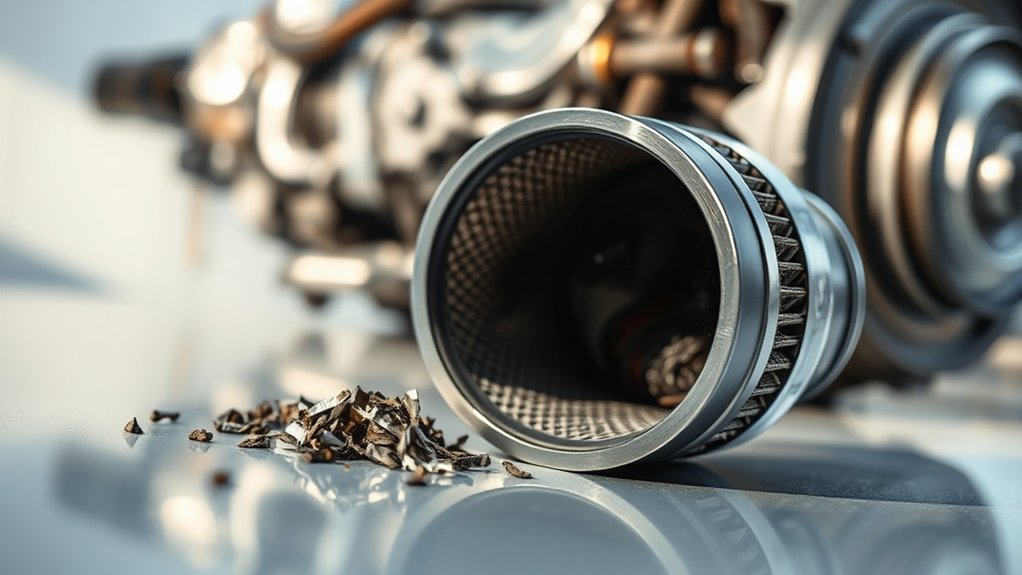
A transmission filter keeps your transmission fluid clean by trapping dirt, metal particles, clutch material, sludge, and gasket debris.
As the transmission pump moves fluid through its porous filter media, contaminants stay behind while clean fluid reaches the valve body, bearings, passages, and clutch assemblies.
Over time, buildup can restrict flow, reduce hydraulic pressure, and cause shifting problems.
Replacing the filter at the recommended interval helps protect internal components, and you’ll soon find out how to identify, service, and choose one properly.
Key Takeaways
- A transmission filter removes dirt, metal particles, clutch material, sludge, and other debris from circulating transmission fluid.
- The transmission pump forces fluid through porous filter media, trapping contaminants while allowing clean fluid to pass.
- Filtered fluid protects the pump, valve body, bearings, passages, and clutch assemblies from wear and blockage.
- As debris accumulates, the filter restricts flow, reducing hydraulic pressure and potentially causing slipping or harsh shifts.
- Replacing the filter at manufacturer-recommended intervals helps maintain fluid flow, smooth shifting, and transmission service life.
What Is a Transmission Filter?
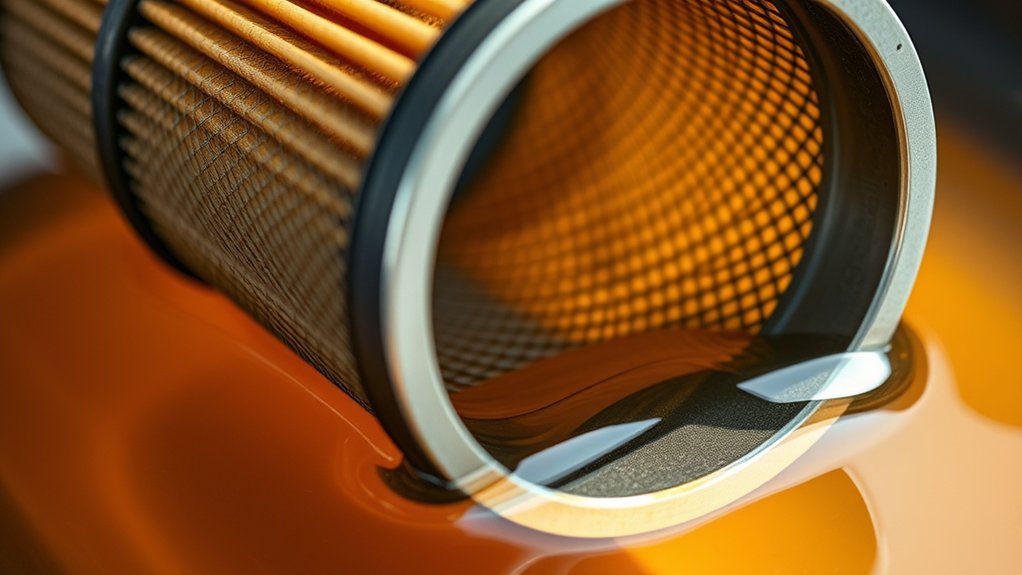
A transmission filter is a component that removes dirt, metal particles, and other contaminants from transmission fluid before the fluid circulates through the system. It supports clean fluid and helps protect internal components from harmful debris.
You’ll typically find the filter inside the transmission pan, although some vehicles use an external design. Depending on your vehicle, the filter may include a pickup tube, sealing gasket, or integrated screen.
During transmission fluid maintenance, you should inspect the filter and replace it according to the manufacturer’s service schedule or whenever contamination appears. A clogged, damaged, or poorly sealed filter can restrict fluid supply and contribute to shifting problems.
Inspect and replace the transmission filter as needed to prevent restricted fluid flow and shifting problems.
Before replacement, check your owner’s manual for the correct part and service procedure. Useful filter installation tips include cleaning the pan, replacing the gasket, tightening fasteners evenly, and confirming the filter seats securely.
You’ll help maintain dependable transmission performance by using the right filter and servicing it carefully.
How Does a Transmission Filter Work?
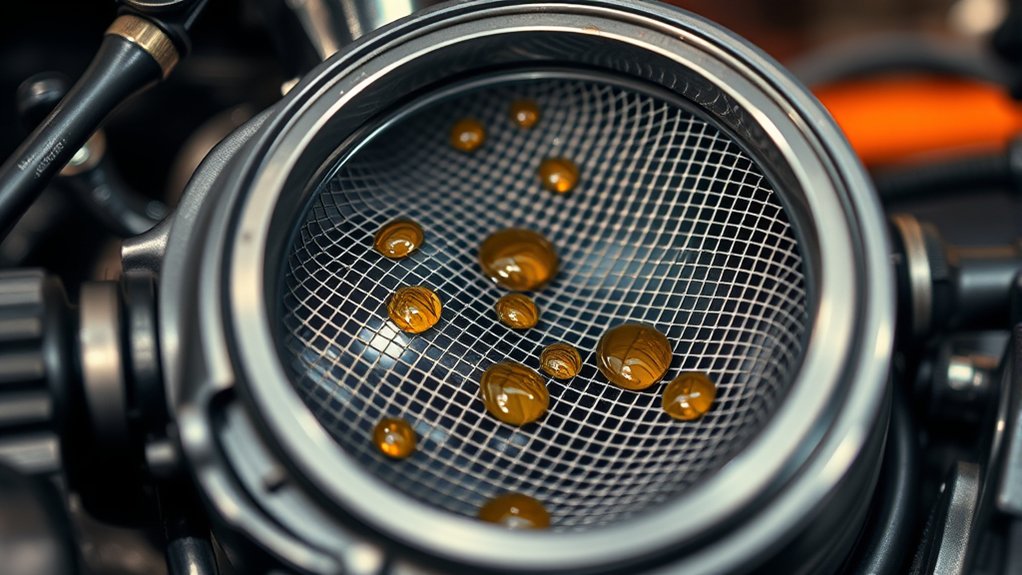
As transmission fluid moves through the system, the filter traps dirt, metal particles, and other debris before they can reach sensitive components. Fluid passes through a porous filter medium while the transmission pump circulates it under pressure. Clean fluid continues toward valves, passages, bearings, and clutch assemblies, helping each part operate smoothly.
The filter’s material captures contaminants without restricting proper flow. As debris accumates, however, resistance increases. Your transmission may then experience delayed engagement, rough shifting, slipping, or unusual noise because essential components aren’t receiving adequate fluid pressure and lubrication.
Effective filtration technology supports reliable shifting by removing abrasive particles and limiting contamination throughout the fluid circuit. During transmission fluid maintenance, you should follow the manufacturer’s replacement schedule and use the specified filter and fluid.
A fresh filter helps preserve fluid cleanliness, protects precision components, and supports consistent hydraulic operation. Don’t ignore warning signs, since continued driving with restricted filtration can accelerate wear and increase repair costs. Regular service keeps the system working efficiently.
Where Is the Filter Located?
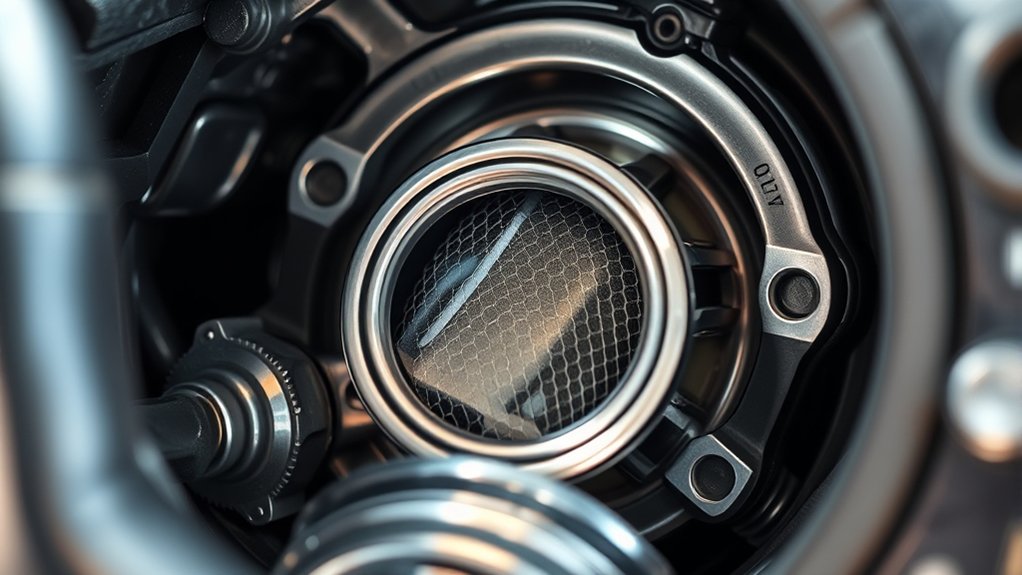
Where Is the Filter Located?
Filter location varies by transmission design, but you’ll usually find it inside the transmission pan beneath the vehicle. You may need to remove the pan to reach the filter, so consult your owner’s manual before starting work.
Some transmissions use a filter that clips into the valve body, while others use an external, spin-on design. Its position supports steady Transmission fluid flow toward the pump and valve body.
Accessibility affects how you plan Filter maintenance, including fluid changes and filter replacement.
| Transmission design | Typical filter location | Access required |
|---|---|---|
| Automatic | Inside transmission pan | Remove pan |
| Compact automatic | Valve-body area | Remove pan |
| External system | Outside transmission case | Usually tool-accessible |
Park on level ground, support the vehicle securely, and let hot components cool before inspection. Look for the transmission pan, cooler lines, or a serviceable housing.
Your manual will identify the exact filter style, fastener locations, gasket requirements, and recommended service interval. This information helps you avoid leaks or improper reassembly.
What Does a Transmission Filter Remove?
During operation, the transmission filter removes dirt, clutch material, metal particles, and other debris from the Transmission fluid before it reaches the pump and valve body. As fluid circulates, the filter’s media traps these contaminants while allowing clean fluid to pass through.
Dirt can enter through normal wear, maintenance, or damaged seals. Clutch material comes from friction plates as they engage and release.
Tiny metal particles may come from gears, bearings, bushings, and other moving components. The filter can also capture sludge, gasket fragments, and particles left behind during repairs.
Effective fluid filtration depends on the filter’s design, condition, and ability to handle the fluid’s flow rate. During contaminant removal, the filter holds debris in its media or collects it in a surrounding housing, depending on the transmission design.
Once the filter becomes restricted, it may capture less material efficiently and reduce fluid flow. You should replace it according to the manufacturer’s service requirements and inspect the pan for unusual debris.
Why Does the Filter Matter?
A clean transmission filter protects the pump, valve body, and other components by keeping harmful debris out of the fluid passages. By trapping clutch material, metal particles, and other contaminants, it helps maintain clean fluid throughout the transmission.
That protection matters because each component relies on consistent lubrication and precise hydraulic pressure. When you keep contamination under control, you support smooth gear changes, reduce friction, and help limit wear on expensive parts.
The filter also supports steady transmission fluid flow. Its design lets fluid pass through while the filter material captures particles that could damage sensitive surfaces.
As a result, your transmission can operate more efficiently and maintain the pressure needed for dependable performance. A properly maintained filter contributes to longer service life and helps preserve the fluid’s protective properties.
Checking the filter during scheduled service gives you a practical way to support your transmission’s health and avoid unnecessary repair costs over time.
What Happens When the Filter Clogs?
As debris builds up, the clogged filter restricts fluid flow and makes it harder for the transmission to maintain proper hydraulic pressure. Your transmission then receives less fluid than it needs for lubrication, cooling, and internal operation.
Reduced flow can starve bearings, gears, clutch packs, and the pump, increasing friction and heat throughout the unit. As temperatures rise, the fluid breaks down faster, while worn clutch material and metal particles accelerate fluid contamination.
Restricted fluid flow increases friction, raises transmission temperatures, and accelerates contamination, potentially causing severe internal damage.
The pump may also work harder to pull fluid through the restriction, placing additional strain on its components. Eventually, inadequate lubrication and pressure can damage precision parts, turning a relatively simple filter service into an expensive transmission repair.
You can reduce this risk by following the manufacturer’s filter maintenance schedule and using the correct replacement filter and fluid. During service, you should inspect the pan and magnet for unusual debris, because their condition can reveal internal wear before restricted flow causes lasting damage.
What Symptoms Suggest a Clogged Filter?
You may notice delayed gear shifts when a clogged filter restricts fluid flow. The transmission may also slip, hesitate, or struggle to perform properly. Recognizing these signs early can help you address the issue before further damage occurs.
Delayed Gear Shifts
Delayed gear shifts often indicate that a clogged transmission filter is restricting fluid flow and reducing hydraulic pressure. You may notice a pause before the vehicle engages a higher or lower gear, especially after starting or accelerating.
The transmission might also shift harshly because it can’t receive fluid quickly enough to operate its valves.
| Symptom | Likely effect | Recommended action |
|---|---|---|
| Pause before shifting | Slow engagement | Check fluid level |
| Harsh gear change | Abrupt engagement | Inspect the filter |
| Delayed downshift | Poor response | Follow service guidance |
Restricted transmission fluid flow can worsen as debris accumulates, so don’t ignore repeated delays. Check your vehicle’s filter maintenance schedule and arrange an inspection if symptoms persist.
A technician can test hydraulic pressure, examine the fluid, and replace the filter when necessary. Prompt service helps protect internal components and restore consistent shift timing.
Slipping Transmission Performance
Slipping transmission performance often signals that a clogged filter is restricting fluid flow and preventing the transmission from maintaining hydraulic pressure.
You may notice the engine revving without a matching increase in speed, especially when you accelerate, climb hills, or tow.
The transmission might hesitate, shudder, or shift unexpectedly as contaminated fluid struggles to reach internal passages.
A burning smell or dark, gritty fluid can also indicate severe fluid contamination and filter blockage.
Don’t ignore these symptoms. Continued driving can increase clutch wear and damage the pump or valve body.
Check your owner’s manual for the recommended filter maintenance schedule, and have a qualified technician inspect the fluid, filter, and transmission.
Replacing a restricted filter and servicing the fluid early can restore proper pressure and help prevent costly repairs.
When Should You Replace the Filter?
When Should You Replace the Filter?
Replace the transmission filter according to your vehicle manufacturer’s recommended service interval, typically every 30,000 to 60,000 miles. Check your owner’s manual because driving conditions can shorten this schedule.
Frequent towing, heavy loads, stop-and-go traffic, and extreme temperatures place extra stress on the transmission and may require more frequent service.
Watch for signs that your filter needs attention. Slipping, delayed engagement, rough shifting, unusual noises, or discolored, burnt-smelling fluid can indicate restricted flow or fluid contamination.
You shouldn’t ignore these symptoms, even if you haven’t reached the suggested mileage. A warning light, rising transmission temperature, or visible debris in the fluid also warrants prompt inspection.
Your filter’s lifespan depends on fluid quality, driving habits, and transmission design. Regular fluid checks help you identify problems before they worsen.
Following the maintenance schedule protects internal components. If you’re unsure when the filter was last replaced, consult a qualified technician and use your vehicle’s service history to establish an appropriate replacement interval.
What Happens During Filter Replacement?
During filter replacement, a technician drains the transmission fluid, removes the pan, and takes out the old filter. You’ll see the technician inspect the pan and magnet for metal particles, sludge, or other signs of fluid contamination. They’ll clean these components, install a fresh gasket, and fit the replacement filter securely.
| Step | What you’ll notice |
|---|---|
| Drain | Old fluid exits the transmission |
| Inspect | Debris and wear signs receive attention |
| Install | A clean filter and gasket go in |
| Refill | Fresh fluid reaches the specified level |
Next, the technician reinstalls the pan, tightens its bolts evenly, and adds the correct amount of transmission fluid. They’ll start the engine, move the shifter through each position, and check for leaks.
A final level check helps guarantee proper lubrication and pressure. Service records should note the date, mileage, and filter lifespan.
Afterward, you can drive normally, but watch for slipping, unusual noises, delayed engagement, or leaks during the first few trips.
How Do You Choose a Compatible Filter?
To choose a compatible transmission filter, match your vehicle’s year, make, model, engine, and transmission type with the filter’s application details. Don’t rely on appearance alone; transmissions may use different mounting points, seals, and fluid capacities.
Check these details before buying:
- Confirm the manufacturer’s part number or approved cross-reference.
- Verify the filter includes the correct gasket, O-ring, magnets, or bolts.
- Choose filter material designed to withstand your transmission fluid and temperature.
- Inspect service intervals, especially if fluid contamination or towing increases wear.
- Read reputable fitment information, then compare the seller’s return policy.
You should also identify whether your transmission uses a pan filter, cartridge, or pickup-screen design. Compare the replacement filter with your old one, but use measurements only as a secondary check.
An incorrect filter can leak, restrict fluid flow, or leave contaminants circulating. If the application remains unclear, ask a dealer or qualified technician to confirm compatibility using your vehicle identification number (VIN).
Always install the filter with the specified seal and torque settings.
Frequently Asked Questions
How Much Does Transmission Filter Replacement Typically Cost?
You’ll typically pay $150–$400 for transmission filter replacement, including labor and fresh transmission fluid. Prices vary by vehicle, transmission design, local labor rates, and whether the service requires removing the pan.
Some vehicles cost $500 or more, especially if access is difficult or the manufacturer recommends additional parts. Ask your repair shop for an itemized estimate, and confirm whether the quote includes gasket replacement, fluid disposal, and a road test after service.
Can I Replace the Transmission Filter Myself?
Yes, you can replace the transmission filter yourself if you’re comfortable working under your vehicle—think of it as giving your transmission a fresh breath. You’ll need jack stands, a drain pan, replacement filter replacement parts, a gasket, tools, and the correct transmission fluid.
Follow your vehicle’s service manual carefully. Drain the fluid, remove the pan, replace the filter and gasket, reinstall everything, then refill and check the level properly.
Do All Transmissions Use the Same Type of Filter?
No, you can’t assume all transmissions use the same filter. Your vehicle may have a reusable metal screen, disposable fiber element, internal pickup filter, or externally mounted spin-on filter.
Manufacturers design each one for specific transmission fluid flow, contaminants, pressure, and service intervals. Check your owner’s manual or parts catalog before buying a replacement.
Using the wrong filter material or shape can restrict lubrication and cause shifting problems or damage.
Can a Transmission Filter Be Cleaned and Reused?
Sometimes, you can give a transmission filter a second life, but don’t count on it. If it’s a reusable metal-mesh filter, you can remove it, rinse away debris with approved solvent, and inspect it carefully before reinstalling.
Most automatic transmissions use disposable felt or paper filters, which you shouldn’t clean or reuse. Replace those during transmission service, refill with the correct transmission fluid, and follow your vehicle manufacturer’s instructions to prevent costly trouble.
Does Changing the Filter Also Require New Transmission Fluid?
Yes, changing the filter usually requires new transmission fluid. You’ll typically remove the fluid pan, drain some or all of the old fluid, replace the filter and gasket, then refill with the manufacturer-specified type and amount.
Even if your vehicle uses a serviceable filter, filter maintenance often involves fluid replacement because contaminants accumulate inside the fluid. Check your owner’s manual, and verify the level after driving briefly and warming the transmission.
Conclusion
A transmission filter doesn’t magically fix shifting problems. It traps clutch material, metal particles, and debris before they circulate through your transmission.
If your car hesitates, slips, or shifts roughly, a clogged filter could be part of the problem, but you shouldn’t assume it’s the only cause. Check your fluid, follow the manufacturer’s service schedule, and install the correct filter.
With regular maintenance, you’ll help your transmission filter keep the system cleaner, cooler, and more reliable.