
Benefits of Ceramic Coating vs. Wax: The Complete Guide 2026 to Choosing the Right Protection
Introduction
Benefits of Ceramic Coating vs. Wax: If you’re researching how to keep your car’s paint protected and glossy for the long term, you’ve probably run into the debate between traditional car wax and modern ceramic coatings. Understanding the benefits of ceramic coating compared to wax is essential before investing time or money into either option, since the two products work in fundamentally different ways and deliver very different results.
Wax has been the go-to protection method for decades — affordable, easy to apply, and capable of producing a warm, deep shine. Ceramic coating, on the other hand, is a newer nanotechnology-based product that chemically bonds to the clear coat, forming a much harder, longer-lasting protective layer. When comparing ceramic coating vs wax, the decision often comes down to durability, cost, maintenance effort, and how much protection you actually need for your driving and storage conditions.
In this guide, we’ll explore why this decision matters, break down the different types of ceramic coatings and waxes available, compare their maintenance requirements, weigh the pros and cons of each, offer repair tips, cover cleaning best practices, highlight common mistakes to avoid, and answer the most frequently asked questions. By the end, you’ll have a clear picture of which protection method — or combination of both — is right for your vehicle.
Why the Benefits of Ceramic Coating Matter
Choosing the right paint protection isn’t just about shine — it directly affects how well your car resists environmental damage, how much time you spend maintaining it, and how much value it retains over time. Understanding the benefits of ceramic coating helps you make a decision that fits your budget, lifestyle, and long-term ownership plans.
Here’s why this comparison matters:
- Durability differences are significant – Wax typically lasts weeks to a couple of months, while ceramic coatings can last years, changing how often you need to reapply protection.
- Protection level varies – Ceramic coatings offer stronger resistance to UV rays, chemical stains, and oxidation compared to wax’s more surface-level barrier.
- Cost-effectiveness over time – While ceramic coating has a higher upfront cost, it can be more economical long-term due to reduced reapplication frequency.
- Maintenance effort differs – Wax requires frequent reapplication and careful washing, while ceramic coating reduces (but doesn’t eliminate) the need for constant upkeep.
- Resale value impact – A well-maintained ceramic-coated vehicle often presents better at resale due to reduced swirl marks and consistent gloss retention.
Knowing these differences upfront prevents wasted money on the wrong product and helps you set realistic expectations for how your car will look and perform months or years down the road.
Different Types of Ceramic Coating and Wax Protection (10+ Types)
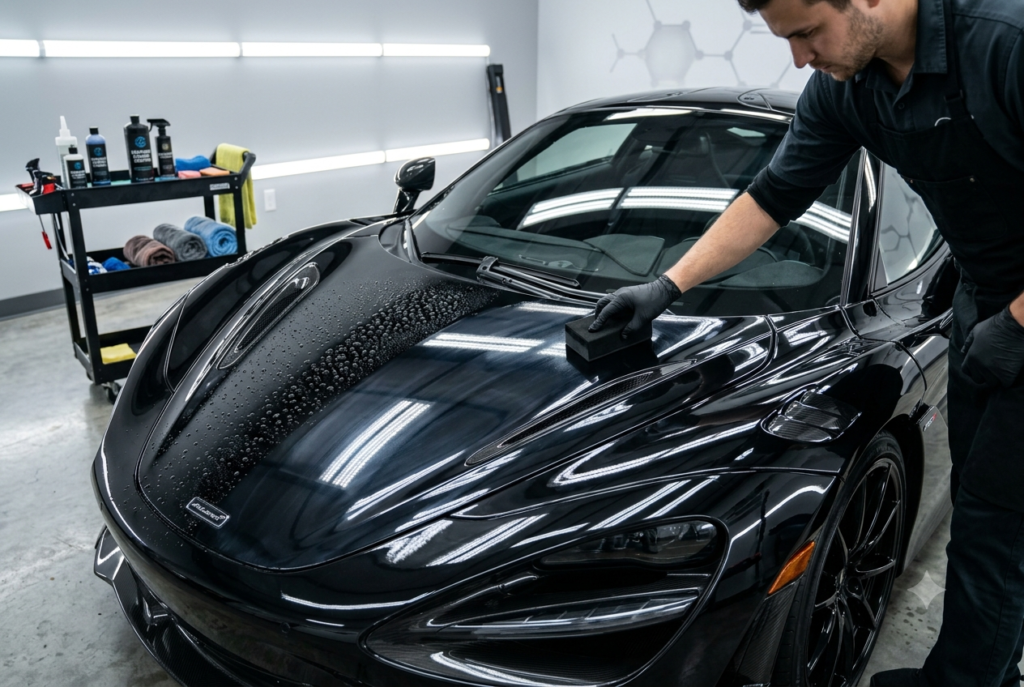
There isn’t just one type of ceramic coating or wax — both categories include multiple formulations suited to different needs, budgets, and skill levels.
- Professional-Grade Ceramic Coating – Applied by trained detailers with proper paint correction beforehand; lasts 2–5+ years.
- DIY Consumer Ceramic Coating – Retail kits for home application; typically lasts 6 months to 2 years.
- Ceramic Spray Coating (Spray Sealant) – A quick, spray-and-wipe hydrophobic top-up product lasting weeks to a few months.
- Graphene-Infused Ceramic Coating – Combines graphene oxide with ceramic particles for improved heat resistance and slicker hydrophobic performance.
- Natural Carnauba Wax – A traditional wax made from palm leaves, known for a warm, deep shine but shorter durability (4–6 weeks).
- Synthetic Paint Sealant – A polymer-based alternative to natural wax that lasts longer (2–4 months) with similar ease of application.
- Spray Wax – A liquid, quick-apply wax used for maintenance between full wax applications; lasts only a few weeks.
- Paste Wax – A thicker, traditional formulation applied by hand or machine, valued for its glossy finish.
- Ceramic Wax Hybrid – Combines ceramic particles with traditional wax for a blend of shine and moderate durability (3–6 months).
- Multi-Layer Ceramic Coating Systems – Includes a primer, main ceramic layer, and top coat for maximum durability and depth of gloss.
- Ceramic Coating for Wheels and Trim – Specialized formulas for high-heat and UV-exposed surfaces separate from the main paint coating.
- Show Car Wax – Premium, often expensive wax blends designed purely for maximum gloss at car shows, with minimal focus on durability.
Each of these products serves different needs — some prioritize ease and shine, while others prioritize long-term chemical and UV resistance.
Maintenance Comparison
Below is a general comparison of maintenance requirements across ceramic coating and wax options:
| Type | Typical Lifespan | Maintenance Frequency | Reapplication Needed |
|---|---|---|---|
| Professional Ceramic Coating | 2–5+ years | Low | Rare |
| DIY Ceramic Coating | 6 months–2 years | Moderate | Every 1–2 years |
| Ceramic Spray Sealant | 4–12 weeks | High | Monthly/quarterly |
| Graphene-Infused Coating | 2–4 years | Low | Every 2–3 years |
| Carnauba Wax | 4–6 weeks | Very High | Monthly |
| Synthetic Paint Sealant | 2–4 months | High | Every few months |
| Spray Wax | 2–4 weeks | Very High | Frequent |
| Paste Wax | 4–8 weeks | High | Monthly |
| Ceramic Wax Hybrid | 3–6 months | Moderate | Every few months |
| Multi-Layer Ceramic Systems | 3–7 years | Very Low | Rare |
The clear pattern here is that ceramic-based products, especially professional-grade and multi-layer systems, dramatically reduce how often you need to reapply protection compared to any wax-based option.
Maintenance Explained
Understanding what “maintenance” actually means for each product type helps set realistic expectations.
For wax-based products, maintenance means frequent reapplication — often monthly — along with gentle hand washing to avoid stripping the wax layer prematurely. Because wax sits on top of the paint rather than bonding to it, it wears away faster from washing, rain, and UV exposure.
For ceramic coatings, maintenance shifts from frequent reapplication to consistent care of an existing bonded layer. This includes:
- Routine pH-neutral washing to avoid degrading the hydrophobic surface.
- Periodic decontamination using a clay bar or chemical decontaminant every few months.
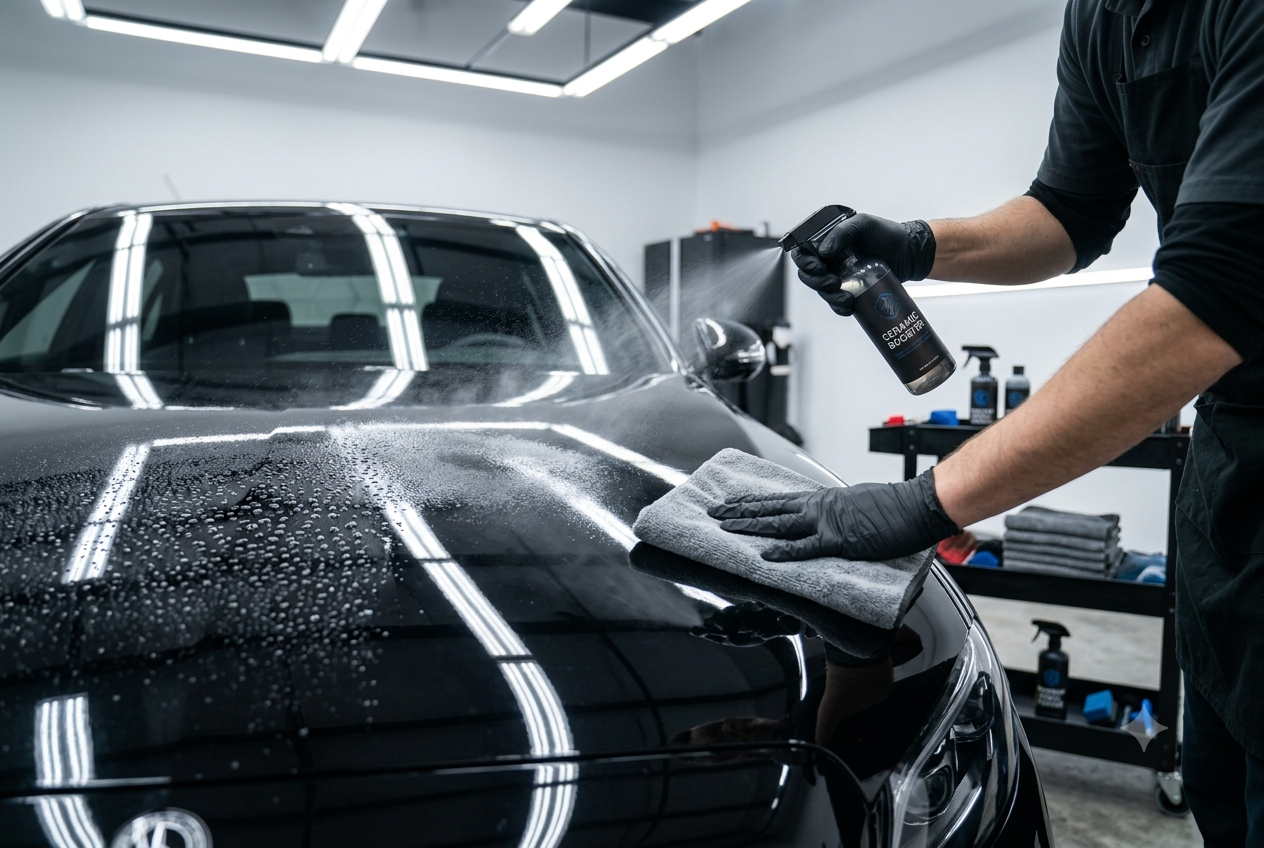
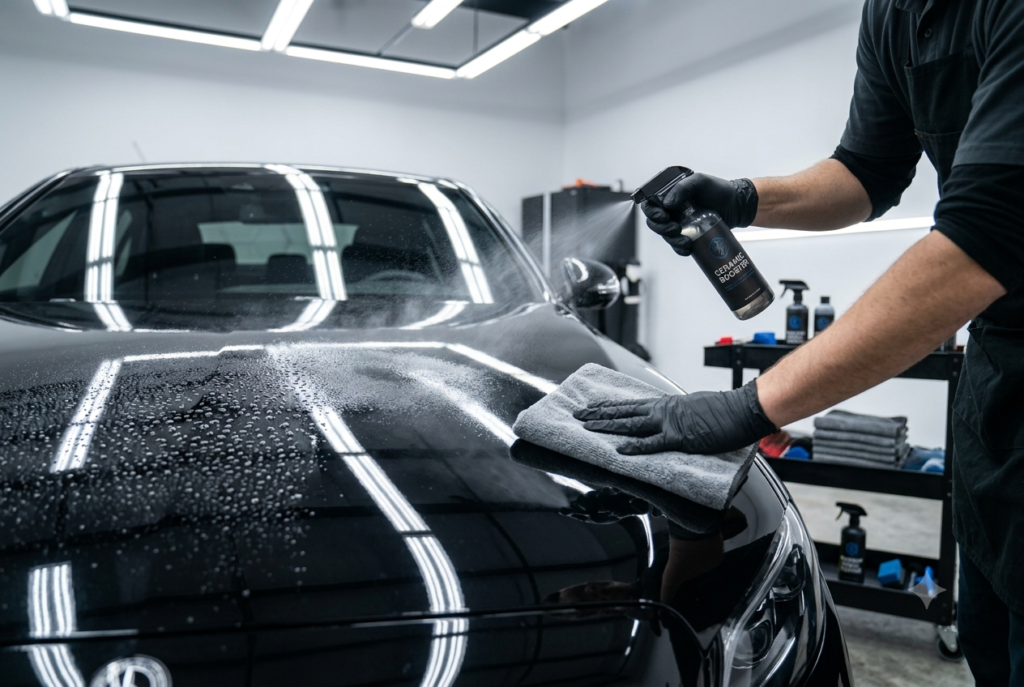
- Booster sprays to refresh gloss and hydrophobic behavior between full washes.
- Avoiding automatic car washes with abrasive brushes that can wear down the coating over time.
- Monitoring water beading behavior as an indicator of when the coating’s performance is declining.
In short, wax requires you to constantly replace the protective layer, while ceramic coating requires you to protect and preserve a layer that’s already chemically bonded to your paint.
Pros & Cons of Each Type
Professional Ceramic Coating
- Pros: Long-lasting, excellent gloss, strong chemical and UV resistance
- Cons: High upfront cost, requires paint correction beforehand
DIY Ceramic Coating
- Pros: More affordable than professional application
- Cons: Application errors like streaking or high spots are common for beginners
Ceramic Spray Sealant
- Pros: Cheap, fast, easy to apply
- Cons: Short-lived, requires frequent reapplication
Graphene-Infused Coating
- Pros: Superior heat resistance and slicker hydrophobic surface
- Cons: More expensive than standard ceramic coatings
Carnauba Wax
- Pros: Warm, deep gloss; relatively inexpensive
- Cons: Short lifespan, requires frequent reapplication, less chemical resistance
Synthetic Paint Sealant
- Pros: Longer-lasting than natural wax, easy to apply
- Cons: Some detailers feel it lacks the “warmth” of natural wax’s shine
Spray Wax
- Pros: Extremely quick and convenient for touch-ups
- Cons: Very short-lived, minimal protective value on its own
Paste Wax
- Pros: Rich, glossy finish; traditional application experience
- Cons: More labor-intensive to apply and remove
Ceramic Wax Hybrid
- Pros: Balances gloss and moderate durability
- Cons: Shorter lifespan than pure ceramic coatings
Multi-Layer Ceramic Systems
- Pros: Maximum durability and protection
- Cons: Highest cost and longest application/curing time
Repair Tips for Each Type
- Professional Ceramic Coating: Minor scratches can often be polished out without harming the coating; deeper damage may require professional reapplication on that panel.
- DIY Ceramic Coating: Streaking or high spots can be corrected with a fine ceramic-safe polish, followed by a maintenance spray.
- Ceramic Spray Sealant: Simply reapply — no removal process needed since it’s a topical layer.
- Graphene-Infused Coating: Use graphene-specific touch-up sprays formulated to match the base coating chemistry.
- Carnauba Wax: Reapply after a light wash and clay treatment if gloss and beading start to fade.
- Synthetic Paint Sealant: Top up every couple of months rather than waiting for full breakdown of the layer.
- Spray Wax: Reapply as needed after each wash for consistent shine.
- Paste Wax: Buff out unevenness with a clean microfiber applicator and reapply as needed.
- Ceramic Wax Hybrid: Refresh with a compatible spray booster between full reapplications.
- Multi-Layer Ceramic Systems: Repairs should be handled by the original installer to preserve the integrity of each bonded layer.
Cleaning & Maintenance Best Practices
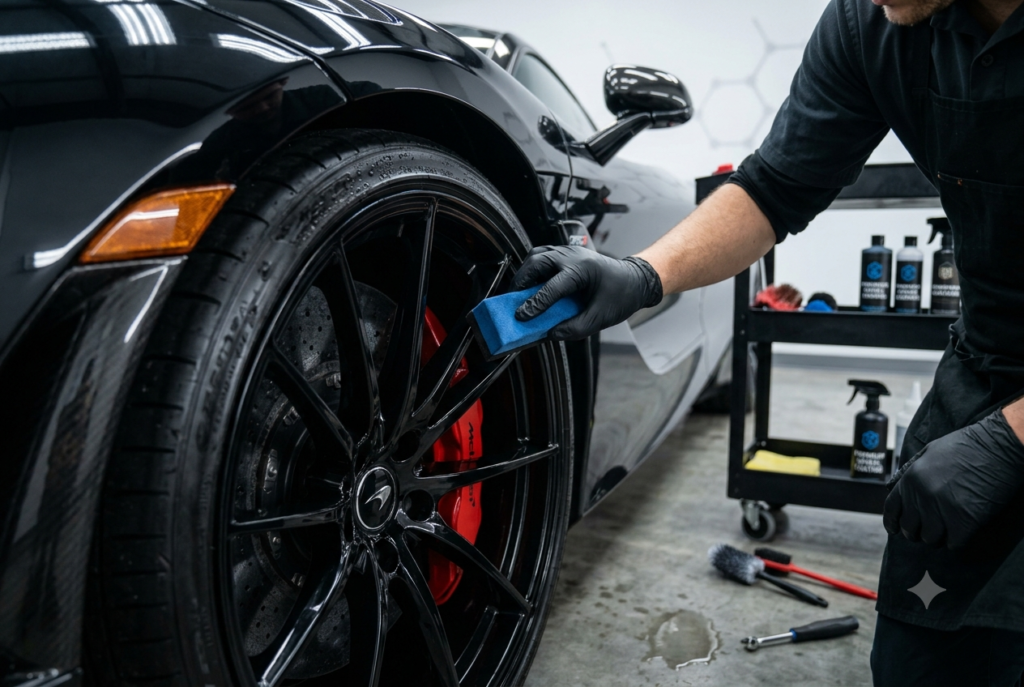
Whether you choose ceramic coating, wax, or a combination, these best practices apply broadly:
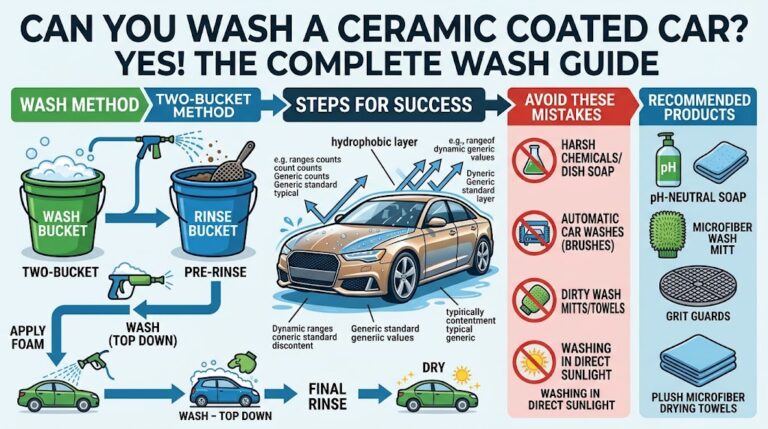
- Use the two-bucket wash method to reduce the risk of reintroducing dirt into your wash mitt.
- Choose pH-neutral shampoos that won’t strip wax or degrade ceramic hydrophobic properties.
- Dry with a microfiber towel or air blower to prevent water spots.
- Avoid automatic car washes with abrasive brushes, which can wear down both wax and ceramic layers.
- Apply a spray booster or spray wax periodically to refresh gloss and hydrophobic performance.
- Park in shade when possible to minimize UV exposure and thermal stress.
- Address contaminants like bird droppings and tree sap quickly, regardless of which protection method is in place.
Common Mistakes to Avoid
- Applying wax or ceramic coating over swirl marks – This locks in imperfections instead of hiding them; paint correction should come first.
- Expecting wax to last as long as ceramic coating – Wax needs far more frequent reapplication and shouldn’t be treated as a long-term solution.
- Washing too soon after ceramic coating application – Most coatings need 7–14 days to fully cure before their first wash.
- Using dish soap or harsh detergents – These strip both wax and ceramic hydrophobic layers much faster than proper car shampoo.
- Assuming ceramic coating is scratch-proof – It’s scratch-resistant, not immune to scratches, and still requires careful washing technique.
- Skipping regular maintenance washes – Both wax and ceramic coatings perform best with consistent care, not just a one-time application.
- Choosing the cheapest product without research – Quality varies significantly between brands and formulations, affecting both looks and longevity.
Frequently Asked Questions (FAQs)
1. What are the main benefits of ceramic coating over wax? Ceramic coating offers longer-lasting protection, stronger UV and chemical resistance, and easier maintenance compared to the frequent reapplication wax requires.
2. Is ceramic coating better than wax? For long-term durability and reduced maintenance, yes — though wax remains a more affordable, easy-to-apply option for short-term shine.
3. How long does ceramic coating last compared to wax? Ceramic coating can last from several months to 5+ years depending on the type, while wax typically lasts only 4–8 weeks.
4. Can I apply wax over ceramic coating? It’s generally not recommended, as wax can dull the ceramic coating’s hydrophobic properties and isn’t necessary for added protection.
5. Is ceramic coating worth the higher cost? For most owners seeking long-term protection and reduced maintenance effort, yes — especially for newer or recently corrected vehicles.
6. Does wax provide any UV protection? Yes, but it’s generally weaker and shorter-lasting than the UV resistance offered by ceramic coatings.
7. How soon can I wash my car after applying wax or ceramic coating? Wax can typically be washed within a few days, while ceramic coating usually requires 7–14 days of curing time before the first wash.
8. Does ceramic coating make cars easier to clean than wax? Yes, ceramic coating’s hydrophobic surface generally causes dirt and water to slide off more easily than a waxed surface.
9. Can ceramic coating be removed like wax? Yes, though it typically requires machine polishing or compounding rather than a simple wash or clay treatment.
10. Is DIY ceramic coating as good as professional application? DIY kits can offer decent results, but professional application typically includes paint correction and more controlled curing conditions for better longevity.
11. Does wax provide a better shine than ceramic coating? Some detailers feel carnauba wax offers a warmer, deeper look, while ceramic coating tends to produce a sharper, glassier gloss.
12. Which option is more cost-effective long-term? Ceramic coating often proves more cost-effective over time due to its longevity, despite the higher upfront cost compared to wax.
13. Can I use ceramic spray sealants instead of full ceramic coating? Yes, though sprays offer shorter-lasting protection and are better suited as a maintenance product rather than a primary protective layer.
14. Does ceramic coating protect against scratches better than wax? Ceramic coating offers more scratch resistance than wax, though neither provides complete protection against deep scratches or impacts.
15. Should I get paint correction before applying wax or ceramic coating? Yes, addressing existing swirl marks and scratches beforehand ensures either product enhances a truly corrected surface rather than sealing in imperfections.
Conclusion
When weighing the benefits of ceramic coating against traditional wax, the decision ultimately comes down to how much long-term protection and convenience you’re looking for versus your budget and how hands-on you want to be with maintenance. Wax remains a solid, affordable choice for owners who enjoy the ritual of regular detailing and don’t mind reapplying protection every few weeks. Ceramic coating, by contrast, is built for owners who want stronger, longer-lasting protection with significantly less frequent upkeep.
In the ceramic coating vs wax debate, there’s no universally “correct” answer — only the option that best matches your vehicle, driving conditions, and how much time you want to invest in upkeep. By understanding the different types available, following proper maintenance routines, and avoiding common application mistakes, you can keep your car’s paint protected and glossy for years, regardless of which path you choose.
2 Comments