
The Best Guide to Professional Car Detailing: Types, Maintenance, and Expert Tips 2026
Introduction
Professional Car Detailing of Your car is one of the biggest investments you’ll make, and keeping it looking and running its best takes more than an occasional trip through an automatic car wash. That’s where professional car detailing comes in. Unlike a quick rinse-and-dry, vehicle detailing is a meticulous, multi-step process that restores, protects, and preserves every surface of your vehicle, inside and out. Whether you’re a daily commuter, a weekend car enthusiast, or someone preparing a vehicle for resale, understanding the different types of detailing services available can help you make smarter decisions about how to care for your car.
In this guide, we’ll break down why professional car detailing matters, explore more than ten distinct types of vehicle detailing, compare their maintenance needs, and walk through the pros, cons, and care tips for each. We’ll also cover common mistakes to avoid and answer the most frequently asked questions about vehicle detailing, so you can walk away with a clear roadmap for keeping your car in showroom condition year-round.
Why Professional Car Detailing Matters
Many drivers assume that a basic wash is enough to keep a vehicle clean, but professional car detailing goes far beyond surface-level cleaning. Detailing addresses the small details that a standard wash misses: swirl marks in the paint, grime buried in carpet fibers, bacteria hiding in air vents, and oxidation slowly dulling your headlights. Over time, these small issues compound, leading to faster depreciation, a less pleasant driving experience, and costly repairs down the line.
Professional vehicle detailing also protects your investment. A well-maintained exterior resists rust, fading, and paint damage, while a properly cared-for interior avoids stains, odors, and premature wear on upholstery and trim. For anyone planning to sell or trade in their vehicle, detailing can significantly boost resale value, since a spotless, well-preserved car simply commands a higher price. Beyond financial benefits, there’s also a personal element: a clean, fresh-smelling, polished vehicle simply feels better to drive every single day.
Finally, professional detailing uses specialized tools, techniques, and products that most people don’t have access to at home. From clay bar treatments to pH-balanced interior cleaners to precision paint correction machines, the equipment and expertise involved in vehicle detailing produce results that are difficult, if not impossible, to replicate with a garden hose and a sponge.
Different Types of Vehicle Detailing
Professional car detailing isn’t a single service; it’s an umbrella term covering a wide range of specialized treatments. Below are more than ten distinct types of detailing you’re likely to encounter.
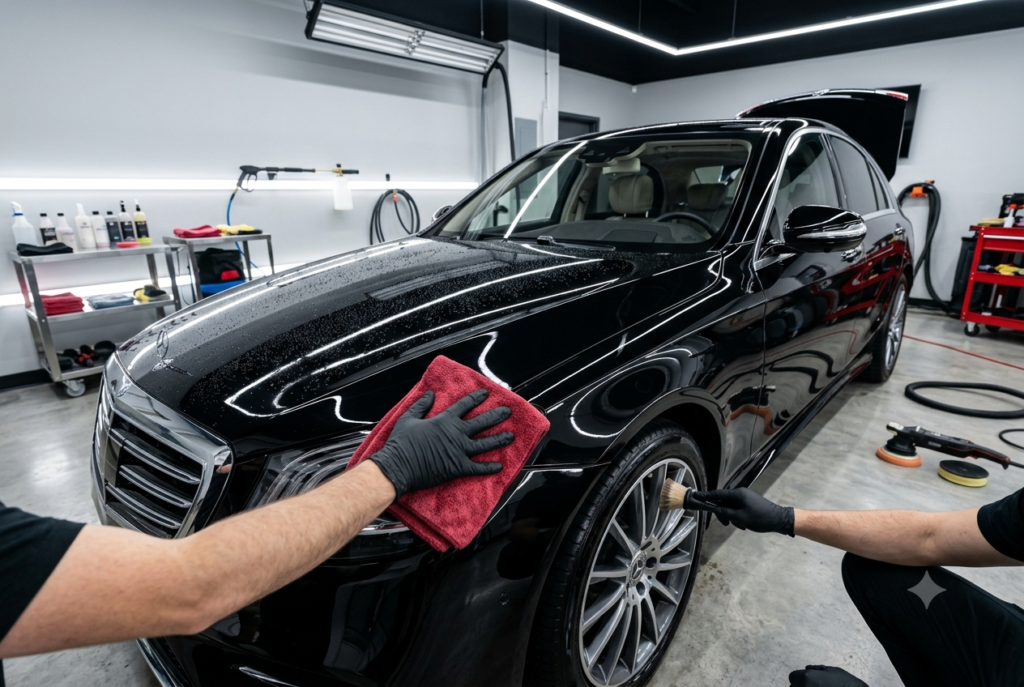
1. Exterior Detailing focuses on the outside of the vehicle, including washing, clay bar treatment, polishing, and protective coating application.
2. Interior Detailing covers vacuuming, steam cleaning, upholstery treatment, dashboard conditioning, and sanitizing surfaces inside the cabin.
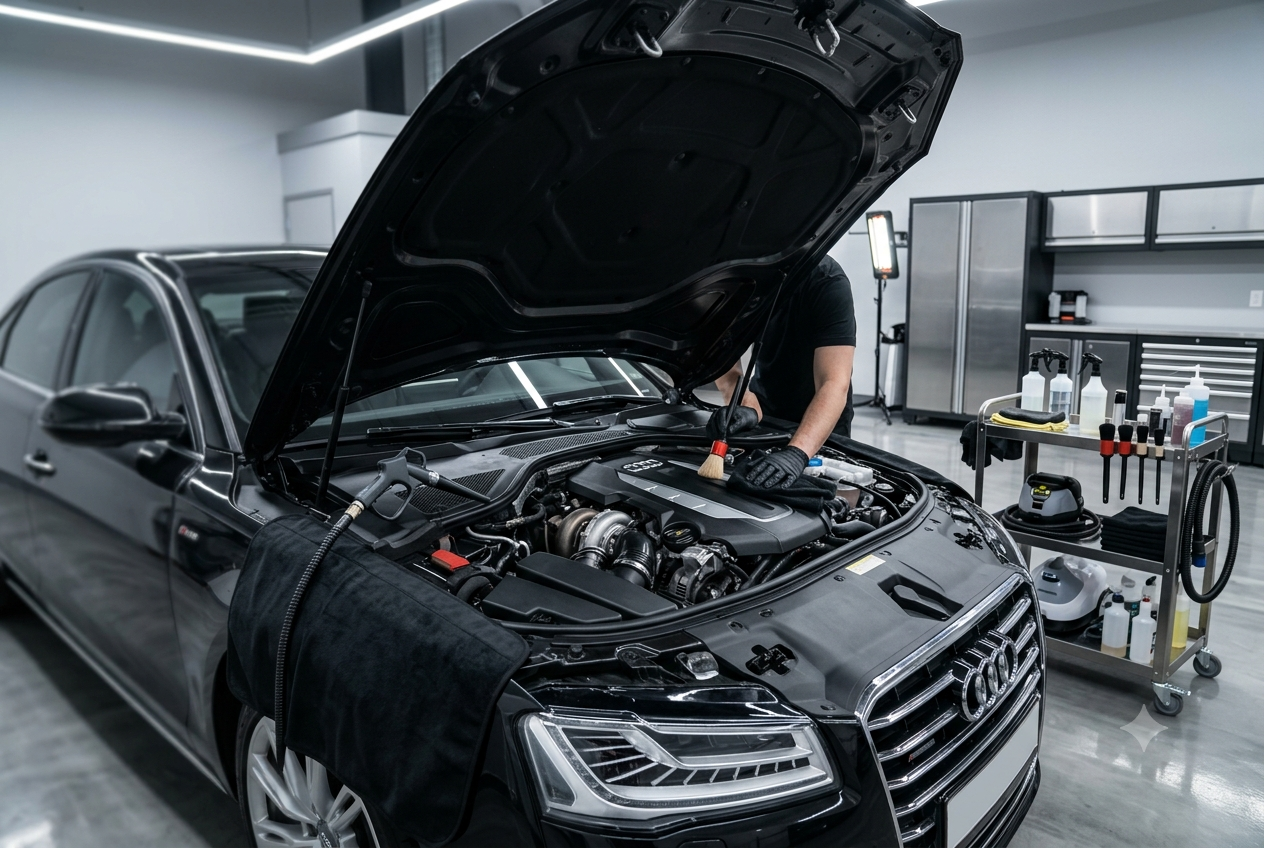
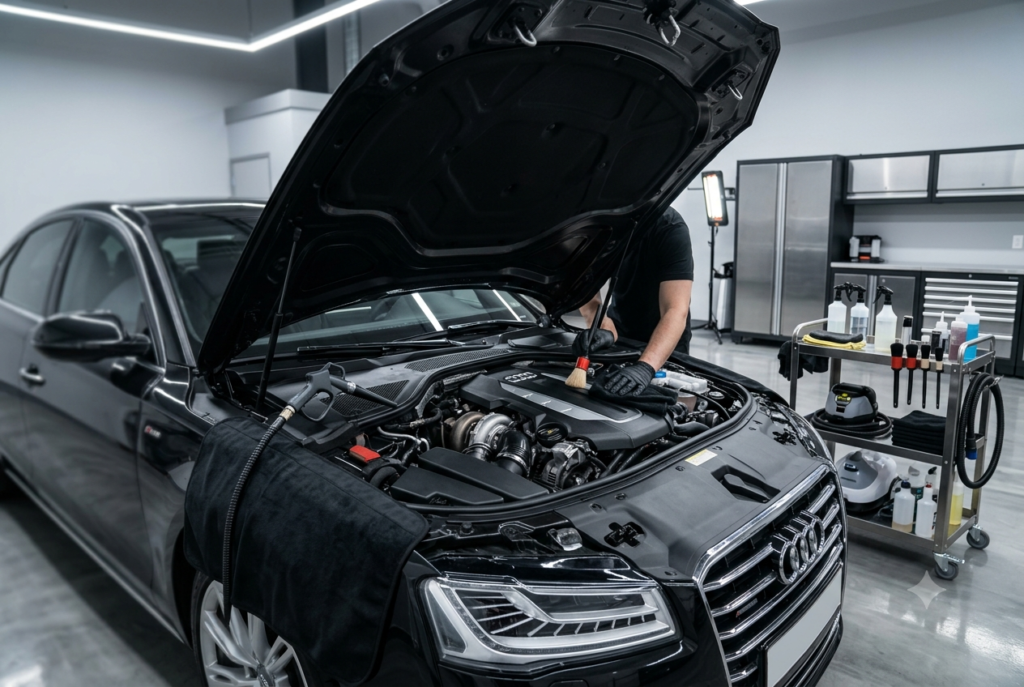
3. Engine Bay Detailing involves degreasing and cleaning the engine compartment to remove built-up dirt, oil residue, and debris.
4. Paint Correction is a specialized process that removes swirl marks, scratches, and oxidation from the clear coat to restore a glossy finish.
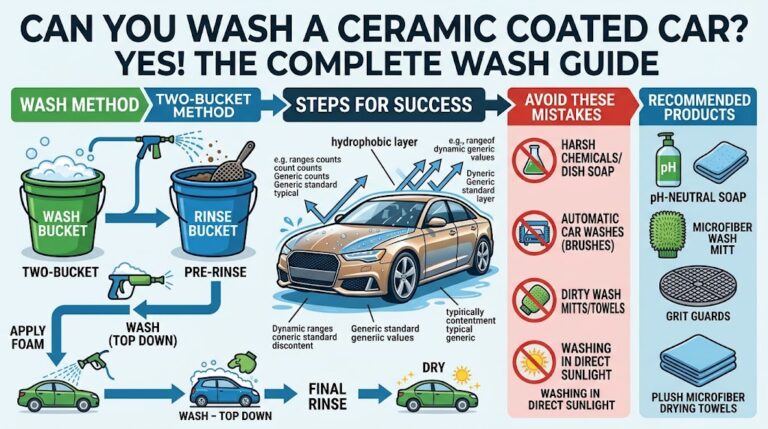
5. Ceramic Coating applies a liquid polymer that bonds to the paint, creating a long-lasting, hydrophobic protective layer.
6. Waxing and Polishing adds a temporary protective layer and enhanced shine using carnauba wax or synthetic sealants.
7. Headlight Restoration removes yellowing and cloudiness from headlight lenses to restore clarity and improve nighttime visibility.
8. Upholstery and Leather Detailing conditions and protects leather or fabric seats, preventing cracking, fading, and staining.
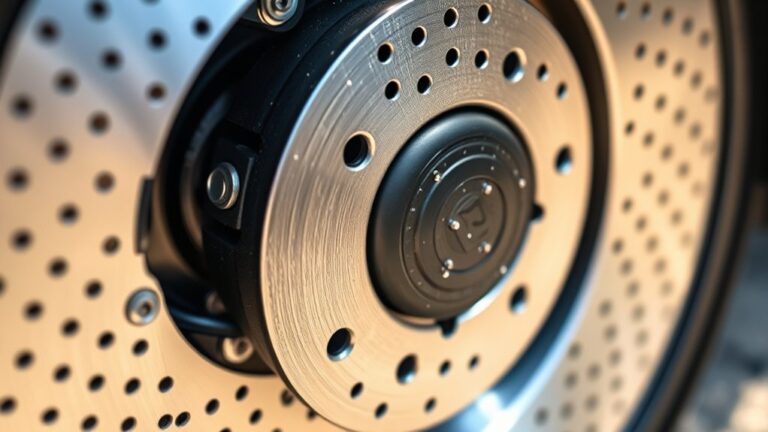
9. Wheel and Tire Detailing cleans brake dust, restores tire shine, and protects wheels from corrosion and road grime.
10. Odor Removal and Ozone Treatment eliminates smoke, pet, and food odors trapped deep within the cabin’s fabric and ventilation system.
11. Paint Protection Film (PPF) Installation applies a clear, durable film to vulnerable areas of the body to guard against rock chips and scratches.
12. Mobile Detailing brings the full detailing service directly to your home or office, offering convenience without sacrificing quality.
Maintenance Comparison
Different types of vehicle detailing come with different maintenance schedules and longevity expectations. The table below offers a quick comparison to help you plan.
| Detailing Type | Recommended Frequency | Typical Longevity |
|---|---|---|
| Exterior Detailing | Every 4–6 weeks | 4–6 weeks |
| Interior Detailing | Every 2–3 months | 2–3 months |
| Engine Bay Detailing | Every 6 months | 6 months |
| Paint Correction | Every 1–2 years | 1–2 years |
| Ceramic Coating | Every 2–5 years | 2–5 years |
| Waxing/Polishing | Every 6–8 weeks | 6–8 weeks |
| Headlight Restoration | Every 1–2 years | 1–2 years |
| Upholstery/Leather Detailing | Every 3–4 months | 3–4 months |
| Wheel & Tire Detailing | Every 4–6 weeks | 4–6 weeks |
| Odor/Ozone Treatment | As needed | 3–6 months |
| Paint Protection Film | Every 5–10 years | 5–10 years |
| Mobile Detailing | Same as exterior/interior | Varies |
Maintenance Explained
Understanding why these maintenance intervals matter helps you get the most out of every professional car detailing session. Exterior surfaces are constantly exposed to UV rays, road salt, bird droppings, and pollution, all of which break down protective layers over time, which is why regular washing and reapplication of wax or sealant is necessary. Interior surfaces face a different kind of wear: dust, spills, and everyday foot traffic gradually degrade fabric and trim, making periodic deep cleaning essential to prevent permanent staining or odor buildup.
More intensive treatments like paint correction and ceramic coating require less frequent maintenance because they address deeper, longer-lasting issues. Paint correction physically removes a thin layer of clear coat to eliminate imperfections, so it isn’t something you’d repeat every month. Ceramic coatings, meanwhile, are engineered to last years, but they still benefit from proper washing techniques and occasional inspection to ensure the coating hasn’t been compromised by abrasive washes or environmental contaminants.
Pros & Cons of Each Type
Exterior Detailing Pros: Improves curb appeal, protects the clear coat, and removes contaminants before they cause damage. Cons: Needs frequent repetition to maintain results, especially in harsh climates.
Interior Detailing Pros: Removes allergens, improves comfort, and prevents long-term staining. Cons: Time-consuming and can be costly if done frequently.
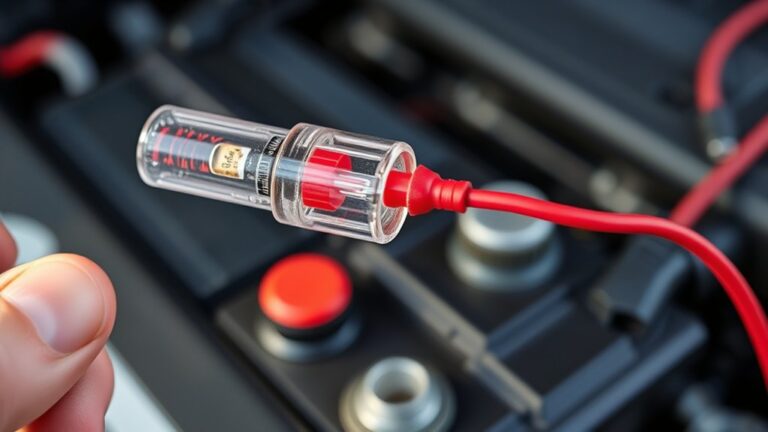
Engine Bay Detailing Pros: Makes it easier to spot leaks and mechanical issues, improves resale presentation. Cons: Requires caution around electrical components; best left to professionals.
Paint Correction Pros: Dramatically improves paint clarity and gloss, removes years of accumulated swirl marks. Cons: Can be expensive and removes a small amount of clear coat, so it isn’t ideal for frequent use.
Ceramic Coating Pros: Long-lasting protection, easier cleaning, strong resistance to UV damage and chemical stains. Cons: Higher upfront cost and requires professional application for best results.
Waxing and Polishing Pros: Affordable, quick, and adds noticeable shine. Cons: Offers shorter-lasting protection compared to ceramic coatings.
Headlight Restoration Pros: Improves safety and appearance at a relatively low cost. Cons: Results can fade over time without protective sealant application.
Upholstery and Leather Detailing Pros: Extends the life of seats and trim, prevents cracking and fading. Cons: Leather conditioning must be repeated regularly to remain effective.
Wheel and Tire Detailing Pros: Enhances overall appearance and prevents brake dust corrosion. Cons: Requires frequent attention, especially for vehicles driven daily.
Odor and Ozone Treatment Pros: Effectively neutralizes stubborn smells at the source. Cons: Vehicle must be unoccupied during treatment, and results vary based on odor severity.
Paint Protection Film Pros: Excellent long-term protection against chips and scratches. Cons: Higher installation cost and may require professional removal or replacement eventually.
Mobile Detailing Pros: Convenient, saves time, and often just as thorough as in-shop service. Cons: Availability and pricing can vary by provider and location.
Each Type Repair Tips
For exterior detailing, always wash from top to bottom using the two-bucket method to avoid reintroducing dirt onto the paint. For interior detailing, vacuum before applying any cleaning solutions to avoid grinding dirt further into fabric. When it comes to engine bay detailing, cover sensitive electrical components before spraying any degreasers. For paint correction, always follow up with a protective wax or sealant to lock in the results. Ceramic coating maintenance calls for pH-neutral soap only, since harsh chemicals can degrade the coating prematurely.
For waxing and polishing, apply thin, even layers and buff in a circular motion for the best finish. Headlight restoration results last longer when paired with a UV-protective clear coat. For upholstery and leather detailing, test any conditioner on a small hidden area first to avoid discoloration. Wheel and tire detailing benefits from a dedicated wheel cleaner, since general soap won’t fully cut through brake dust. For odor and ozone treatment, identify and remove the source of the smell first, whether it’s a spill or trapped moisture, before running the treatment.
With paint protection film, avoid washing the vehicle for at least 48 hours after installation to allow proper adhesion. For mobile detailing, make sure you have access to water and power outlets if required by your chosen provider.
Cleaning & Maintenance
Maintaining the results of professional car detailing between appointments doesn’t require much effort, but consistency matters. Rinse your vehicle regularly to remove dust, salt, and debris before they have a chance to bond with the paint. Park in shaded or covered areas whenever possible to limit UV exposure, which is one of the biggest contributors to paint fading and interior cracking. Use microfiber cloths rather than regular towels when wiping down surfaces, since rougher materials can introduce fine scratches over time.
Inside the vehicle, vacuum weekly and wipe down high-touch surfaces like the steering wheel, dashboard, and door panels to prevent buildup of oils and dirt. Keep a small trash bag in the car to reduce clutter and spills, and use interior-safe protectants on plastic and vinyl surfaces to prevent premature fading. For vehicles with ceramic coating or paint protection film, stick to manufacturer-recommended cleaning products to avoid voiding any warranty or compromising the protective layer.
Common Mistakes to Avoid
One of the most common mistakes people make is using dish soap to wash their car, which strips away wax and protective coatings far more aggressively than a dedicated automotive soap. Another frequent error is washing a vehicle in direct sunlight, which causes soap and water to dry too quickly, leaving behind spots and streaks. Skipping the clay bar step before waxing or coating is another mistake, since it leaves embedded contaminants trapped beneath the new protective layer.
Inside the vehicle, many people use household cleaners not designed for automotive surfaces, which can cause discoloration or damage to dashboards, leather, and trim over time. Ignoring the engine bay entirely is another oversight, since built-up grime can make it harder to spot leaks or wear before they become expensive problems. Finally, waiting too long between professional detailing sessions is a mistake that often costs more in the long run, since neglected paint and interiors require more intensive, expensive correction work later.
FAQs
1. How often should I get professional car detailing? Most experts recommend a full detailing service every three to six months, with lighter maintenance washes in between.
2. Is vehicle detailing worth the cost? Yes, especially for protecting resale value and extending the life of your paint and interior surfaces.
3. What’s the difference between a car wash and detailing? A car wash cleans the surface, while detailing involves a deeper, more thorough restoration of both interior and exterior surfaces.
4. How long does a full detailing session take? Depending on the vehicle’s condition and services selected, a full detail can take anywhere from two to six hours.
5. Does ceramic coating replace waxing? Yes, ceramic coating offers longer-lasting protection and typically eliminates the need for frequent waxing.
6. Can detailing remove deep scratches? Minor to moderate scratches can often be improved through paint correction, but deep scratches may require touch-up paint or bodywork.
7. Is mobile detailing as effective as in-shop detailing? Yes, as long as the provider uses the same quality products and techniques, mobile detailing can deliver comparable results.
8. How do I remove odors from my car? Ozone treatment is one of the most effective methods for eliminating deep-set odors from smoke, pets, or spills.
9. Will detailing help before selling my car? Absolutely, a professionally detailed vehicle typically sells faster and at a higher price than one that hasn’t been cleaned and restored.
10. What’s included in interior detailing? Interior detailing typically includes vacuuming, steam cleaning, upholstery treatment, and conditioning of plastic and leather surfaces.
11. How long does paint protection film last? High-quality paint protection film can last anywhere from five to ten years with proper care.
12. Can I detail my car myself? Basic maintenance is possible at home, but professional-grade results, especially for paint correction and coatings, typically require specialized tools and expertise.
13. Does detailing help with allergies? Yes, thorough interior detailing removes dust, pollen, and allergens trapped in carpets and upholstery.
14. How much does professional car detailing typically cost? Prices vary widely based on vehicle size, condition, and services selected, ranging from budget-friendly basic packages to premium, multi-day treatments.
15. What should I look for in a detailing provider? Look for experienced technicians, positive reviews, clear service breakdowns, and the use of quality, vehicle-safe products.
Conclusion
Professional car detailing is far more than a luxury; it’s an investment in your vehicle’s appearance, longevity, and resale value. From exterior paint correction and ceramic coating to interior deep cleaning and odor removal, each type of vehicle detailing serves a specific purpose in keeping your car looking and performing its best. By understanding the differences between these services, following recommended maintenance schedules, and avoiding common care mistakes, you can keep your vehicle in top condition for years to come. Whether you choose a full-service detailing shop or a convenient mobile provider, regular professional care is one of the smartest ways to protect your investment and enjoy a cleaner, healthier, better-looking ride every time you get behind the wheel.

2 Comments