10 Best Tools for Asset Tracking in Construction Projects Expert Picks
Managing equipment and materials on a construction site can quickly become overwhelming without the right system in place. Losing track of valuable assets often causes delays and increases costs, affecting project timelines and budgets.
The best tools for asset tracking in construction projects help teams keep organized and maintain visibility over their resources. These tools are designed for construction managers, site supervisors, and inventory staff who need reliable ways to monitor tools, machinery, and materials. They offer features like real-time location updates, easy check-in/check-out processes, and detailed usage reports.
This review will explore several leading options, highlighting their strengths and how each can support smoother project management. Whether you want to improve efficiency or reduce loss, understanding these tools will guide your decision.
Discover the Top Solutions Transforming Construction Site Efficiency
| Image | Product | Price |
|---|---|---|
Pick 1  | Equipment Sign Out Log Book | Check Price On Amazon |
Pick 2  | GPS Tracker for Trailers and Equipment | Check Price On Amazon |
Pick 3  | REEKON P1L Construction Label Printer | Check Price On Amazon |
1. Equipment Sign Out Log Book
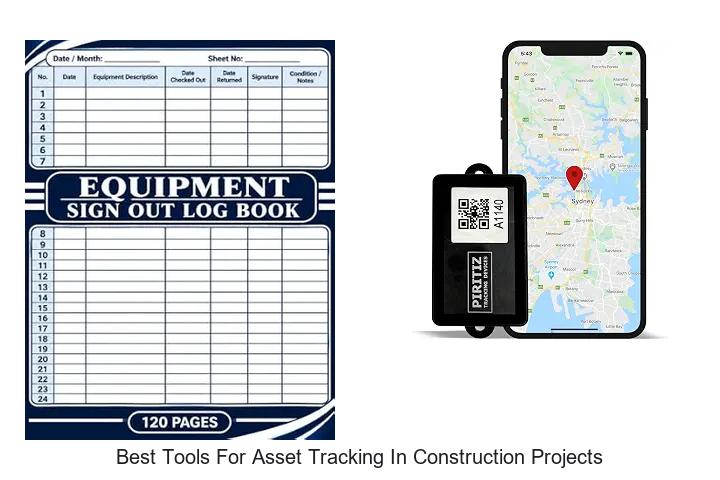
Keeping track of tools and equipment is a challenge in busy construction sites and warehouses. The Equipment Sign Out Log Book simplifies this task by providing a clear and organized way to record equipment checkouts and returns. This log book serves multiple purposes, including tool issue documentation, asset tracking, and inventory management.
It contains 120 pages with space to record employee name, equipment details, checkout and return dates, making accountability straightforward. The book’s size is practical, measuring 8.5 by 11 inches, which is easy to handle and store on site or in an office.
The printed format requires no batteries or connectivity, which adds to its reliability and simplicity. Since it is a physical logbook, it eliminates concerns about digital security or device compatibility.
The pages include columns for detailed entries that help maintain accurate records efficiently. Its lightweight design, weighing just over 13 ounces, means it can be carried around without hassle.
This logbook suits construction managers, warehouse supervisors, and school maintenance teams who prefer a no-fuss, tangible method to track tools and equipment. It offers great value for businesses wanting a straightforward, durable solution to reduce equipment loss and improve check-out processes. The book’s clear format and structured layout make it easy for employees to use with minimal training required.
Pros
- Easy to use and understand format
- No battery or software needed
- Lightweight and portable for field use
Cons
- Physical book only, no digital backup
- Limited to manual data entry
- Pages can wear with heavy use
Who Should Buy It?
Ideal for construction supervisors and warehouse managers who want a simple, reliable way to track equipment. Perfect for sites or teams without access to digital systems or those preferring paper records.
Key Specifications
| Specification | Details |
|---|---|
| Brand | Independently published |
| Installation Required | No |
| Item Weight | 13.1 ounces |
| Print Length | 120 pages |
| Dimensions | 8.5 x 0.28 x 11 inches |
| Language | English |
The logbook’s 120 pages provide ample space for detailed entries. Its size of 8.5 by 11 inches offers a comfortable writing area and fits well into standard desks or shelves. Weighing only 13.1 ounces, it’s light enough to be carried around easily. Because it requires no installation or battery, it works reliably in any work environment including remote sites. The book is printed in English, which suits majority users in construction and maintenance teams managing tool checkouts manually.
These specifications mean the logbook is highly durable for daily use without reliance on technology. Its portability ensures easy transport from office to site. Without batteries or software, it avoids downtime and technical issues common in electronic trackers. This format benefits supervisors and employees who prefer straightforward, low-maintenance solutions for monitoring equipment usage and reducing loss risks in busy operations.
2. GPS Tracker for Trailers and Equipment
Keeping track of trailers and equipment without constant charging is a big plus on job sites. The GPS Tracker for Trailers and Equipment offers an impressive 5-year battery life to simplify monitoring over long periods.
This tracker is designed specifically for unpowered construction assets like trailers, generators, and containers. It works wirelessly with no installation needed, making it easy to place on any equipment.
While it does not provide live location updates, it logs location history and movement times to support theft recovery and asset management. Its waterproof housing stands up well to outdoor environments, so it suits rental fleets and construction yards effectively.
The device connects through GPS and works with iPhone, Android, or web browsers via the Piritiz app. Setup involves scanning a quick-start card and choosing a subscription plan without contracts or long commitment.
The compact design weighs only about 4 ounces, making it highly portable and easy to relocate between assets. Overall, this tracker delivers excellent value, especially for teams needing reliable long-term asset tracking in rugged conditions without wiring hassles.
Pros
- Up to 5 years battery life
- Wireless and no installation needed
- Waterproof for outdoor use
Cons
- No live tracking available
- Subscription required for service
- Limited to location history data
Who Should Buy It?
Ideal for construction managers, rental fleet operators, and equipment owners who need durable, low-maintenance tracking. Best for those wanting reliable long-term monitoring without constant charging or wiring.
Key Specifications
| Specification | Details |
|---|---|
| Brand | PIRITIZ |
| Battery Life | 5 Years |
| Connectivity Technology | GPS |
| Installation Required | No |
| Waterproof | Yes |
| Portability | Compact, 4 oz |
| Compatible Devices | iPhone, Android, Web |
| Tracking Features | Location History, Not Live Tracking |
| Service/Subscription Required | Yes, Piritiz plans |
| Warranty | 1 Year |
| Item Weight | 4 oz |
The 5-year battery life means the device can operate for years without needing a recharge, which is perfect for long-term asset monitoring. Being fully wireless without installation means it can be mounted quickly on trailers, generators, or heavy equipment. Its GPS connectivity provides reliable location updates, while compatibility with smartphones and web browsers makes tracking flexible. Additionally, the waterproof design ensures the tracker endures harsh outdoor environments encountered on construction sites and fleet yards.
With no wiring or drilling needed, the setup process is straightforward and ideal for users who prefer minimal maintenance. The compact and lightweight build allows easy transfer between assets. The location history feature helps managers monitor asset movement and find stolen equipment, though it lacks real-time tracking. The subscription service provides continuous tracking data, making it suitable for businesses wanting a hassle-free, durable tracker for multiple assets.
3. REEKON P1L Construction Label Printer
Printing custom labels on a jobsite just got faster and smarter with this rugged label printer. It pairs instantly with a smartphone app to create durable, tear-resistant labels that simplify tracking and organization. This compact printer is designed for construction environments, offering fast thermal printing without ink and strong adhesive labels that withstand dust and moisture.
Key features include one-click printing via Bluetooth, automatic QR code generation linking to digital plans, and various label sizes and colors. The printer’s durable rubber casing and mounting clip help it handle rough conditions and stay accessible on work belts or carts. Rechargeable via USB-C, it allows continuous use throughout a workday without hassle.
The app-controlled interface ensures ease of customization and accurate jobsite information capture. It excels at reducing human errors by replacing handwritten tags with precise, scannable labels. Ideal for project managers and crews who require reliable, portable labeling tools that integrate physical assets with digital systems.
Overall, it offers excellent build quality, consistent performance, and valuable efficiency benefits in organizing construction sites.
Pros
- Durable and rugged design for jobsite use
- Fast one-click Bluetooth label printing
- Automatically generates scannable QR codes
Cons
- Print speed limited to 1 page per second
- Monochrome printing only, no color options
- Requires smartphone app for full functionality
Who Should Buy It?
Construction professionals needing portable, tough labeling tools should consider this printer. It’s best for teams linking physical assets to digital systems. Its Bluetooth connectivity and app integration suit users comfortable with smartphone controls.
Ideal for minimizing errors and material waste on dynamic worksites.
Key Specifications
| Specification | Details |
|---|---|
| Brand | REEKON |
| Battery Life | Rechargeable, usage time not specified |
| Connectivity Technology | Bluetooth |
| Installation Required | No |
| Portability | Portable with mounting clip and rubber case |
| Compatible Devices | Smartphones via BOLDR Pro App |
| Tracking Features | Customizable labels, QR code generation |
| Service/Subscription Required | No mandatory service or subscription |
| Item Weight | 1.4 pounds |
The REEKON P1L offers Bluetooth connectivity that links directly to smartphones using a dedicated app. This enables quick, one-click label printing with customizable templates, perfect for fast-paced construction sites. The label printer runs on a rechargeable battery, making it a fully portable device that can be clipped to belts or carts using the rugged mounting clip. The thermal printing technology produces tear-resistant labels with durable adhesive. Labels can be printed in monochrome only, supporting various sizes and colors for versatile use on different surfaces.
Having a portable, battery-powered device with app control reduces setup time and improves workflow on site. The Bluetooth connection allows for seamless integration without cables, while the rubber case adds impact resistance, enhancing durability. Although printing speed is modest, it is adequate for rapid label generation during projects. The device is ideal for users needing robust labels that hold up in dusty and moist environments, helping reduce errors and material waste while organizing construction assets efficiently.
4. DX-CP35 BLE 5.1 Miniature Beacon Tag (30 PCS)

Small yet powerful, these Bluetooth beacons offer a simple way to label and track assets across various environments. Their miniature size and long-range coverage make them highly versatile for equipment management.
Designed for real-time location tracking, these tags use BLE 5.1 technology to seamlessly connect with smartphones and IoT systems. The durable IP67-rated casing ensures reliable performance even in harsh industrial conditions. Replaceable batteries extend operational life while reducing maintenance needs.
Configuration options allow fine-tuning of Bluetooth signals for custom system integration. This makes them suitable for warehouses, factories, and construction sites needing precise asset monitoring. Installation is straightforward, with multiple mounting options cutting down setup times and labor costs.
These beacons support iBeacon and Eddystone protocols, guaranteeing compatibility with a wide range of tracking platforms. Technical support and customization services add value for larger-scale deployments or specialized requirements.
Overall, they provide a flexible and rugged solution for continuous asset tracking and personnel localization, balancing performance and ease of use.
Pros
- Long 70m Bluetooth range
- Replaceable batteries reduce downtime
- IP67 waterproof and dustproof rating
Cons
- No warranty provided
- Requires Bluetooth-compatible devices
- May need technical setup assistance
Who Should Buy It?
Ideal for project managers and site supervisors needing reliable asset location data. Best suited for industrial environments requiring rugged tags with long battery life and flexible configuration. Suitable for warehouses, factories, hospitals, and construction sites aiming for efficient equipment tracking.
Key Specifications
| Specification | Details |
|---|---|
| Brand | PDDAXLQUE |
| Battery Life | Long-lasting with replaceable battery |
| Connectivity Technology | Bluetooth Low Energy 5.1 |
| Installation Required | Multiple mounting options, easy installation |
| Waterproof | IP67 rated |
| Portability | Miniature and lightweight |
| Compatible Devices | Smartphone |
| Tracking Features | Supports iBeacon, Eddystone protocols |
| Service/Subscription Required | No |
| Warranty | None |
| Item Weight | 4.54 g |
The PDDAXLQUE brand ensures quality with its BLE 5.1 technology for efficient wireless communication. These tags feature replaceable batteries, extending their lifespan and reducing maintenance costs. Being IP67 rated means they can withstand dirt, dust, and water immersion, suitable for both indoor and outdoor use. At just 4.54 grams, their miniature design allows discreet and easy attachment to various assets. Compatibility with smartphones allows users to tap into existing devices for tracking without additional hardware.
Having Bluetooth 5.1 improves connection stability and range, offering reliable signal up to 70 meters. Multiple mounting options simplify installation while fitting different asset types. The support for iBeacon and Eddystone ensures wide platform integration and flexibility. No subscription or warranty is needed, which favors users looking for straightforward deployments. These specs make the tags highly adaptable for industrial settings where durability and ease of use are priorities, benefiting asset managers and real-time system integrators.
5. Equipment Sign Out Log Book

Tracking and managing tools on a busy construction site can be a challenging task. The Equipment Sign Out Log Book offers a simple yet effective way to keep tabs on equipment usage and prevent loss. This 120-page book provides a structured format for recording who has checked out tools and when they are due back.
It is designed to fit conveniently on the jobsite, with a durable 8.5 x 11-inch size and a lightweight 13.1-ounce build. The log book’s straightforward approach makes it ideal for supervisors or workers responsible for assets.
Users appreciate how the format reduces misplacement and confusion by documenting every sign out clearly. The book’s hard copy nature means it requires no installation or technology, which some may find easier for quick access or in areas with limited connectivity.
Its simplicity adds value as it avoids the hurdles of digital apps, ensuring everyone can participate in asset tracking. Overall, the Equipment Sign Out Log Book blends practicality with straightforward use, making it a strong choice for sites looking to maintain order through organized logging and manual tracking.
Pros
- Simple and effective tool usage tracking
- Lightweight and portable design
- No installation or technology required
Cons
- No digital or automated features
- Physical book can be misplaced
- Limited to manual entry accuracy
Who Should Buy It?
Ideal for construction sites that prefer hands-on logging. Perfect for supervisors managing frequent tool checkouts. Suitable where digital solutions are impractical or unwanted.
Key Specifications
| Specification | Details |
|---|---|
| Brand | Independently published |
| Installation Required | No |
| Item Weight | 13.1 ounces |
| Dimensions | 8.5 x 0.28 x 11 inches |
| Print Length | 120 pages |
| Language | English |
Being independently published means this log book focuses purely on practical use without extra software or technology. Its paper-based format requires no power or batteries. The no-installation design allows immediate use on any site without prep time. Weighing just over thirteen ounces and sized similar to a standard sheet of paper, it easily fits on desks, shelves, or tool stations. These specifications suit environments where simplicity and accessibility are key. English language is standard, ensuring clear instructions and headings for easy understanding by most workers.
The physical paper format has advantages and limits. Its durability depends on storage care but can handle typical jobsite conditions if protected. The lack of electronic tracking means all entries depend on user honesty and consistency. However, that also means no tech setup or outages delay logging. For teams that want clear, visible logs without devices, this tool offers practical comfort. Overall, manual entry logbooks benefit sites with steady staff presence and preference for simple record-keeping.
6. The Construction Project Managers Log & Planner

Keeping precise and timely records on construction sites helps keep projects running smoothly. The Construction Project Manager’s Log & Planner is designed to assist superintendents and project managers with detailed daily logs that track site work, crews, deliveries, RFIs, and safety checks. This undated planner offers flexibility without binding you to specific dates, allowing use at any time.
The book has 120 pages of structured forms and spaces for notes, making documentation streamlined and straightforward. Its compact size and light weight enhance portability around busy construction sites. The log and planner focus on thorough record-keeping, which can improve communication and accountability.
Build quality is solid with easy-to-write pages, although it lacks any electronic tracking features. This tool suits those who prefer physical record-keeping alongside digital methods like Tool Connect.
It represents a practical value for managers aiming to maintain clear, accessible site logs. Users who want an organized and accessible way to record daily site details will benefit most from this planner.
Pros
- Undated for flexible daily logging
- Compact and portable design
- Clear sections for tracking multiple site activities
Cons
- No electronic or digital tracking
- Not waterproof, may wear with rough handling
- Limited to manual data entry
Who Should Buy It?
Ideal for construction superintendents and project managers who prefer physical, manual logs. Useful for those integrating paper records with digital tools like Tool Connect. Suited for supervisors needing organized site work and safety documentation without relying solely on software.
Key Specifications
| Specification | Details |
|---|---|
| Brand | Independently published |
| Installation Required | No |
| Portability | Lightweight and compact |
| Item Weight | 13.1 ounces |
| Dimensions | 8.5 x 0.28 x 11 inches |
The brand, being independently published, offers a niche planner focused specifically on construction project management without complicated tech features. No installation is required since it’s a physical book, making it simple to start using immediately. Its dimensions and light weight ensure it can be easily carried in a bag or held by hand on-site. This makes switching between locations and having access to the planner wherever the work takes place straightforward and convenient.
These specifications emphasize ease of use and portability over digital functionality, benefiting project managers who value handwritten notes. The lack of tech features means there is no need for batteries or connectivity, eliminating setup and maintenance frustrations. This planner is durable enough for everyday use but is less suited to harsh environments where waterproofing is needed. It best serves those who want a reliable, tactile tool for daily logs on construction sites.
7. Equipment Sign Out Log Book

Keeping track of tools and equipment has never been simpler. This log book provides an easy, straightforward way to monitor sign outs and returns with clear daily entries.
The Equipment Sign Out Log Book serves as a basic journal designed specifically for logging equipment details such as user information, item condition, and return dates. It features 100 pages in a compact size, making it portable and easy to store on site or in an office. The physical format eliminates the need for batteries or connectivity, making it simple and reliable in any environment.
Users can quickly jot down necessary information by hand without requiring installation or technical skills. The sturdy paperback can endure frequent handling while helping teams maintain accountability for their assets.
It suits smaller construction teams or projects where digital tracking is unnecessary or unavailable. The product offers excellent value for those wanting a no-frills, tangible record to reduce equipment loss. Overall, it is a practical asset log that keeps things organized without complexity.
Pros
- Simple, clear daily log format
- Lightweight and portable design
- No digital setup needed
Cons
- Limited to manual entry
- No digital backup or alerts
- Not suitable for large fleets
Who Should Buy It?
Ideal for small construction teams needing manual tracking. Great for sites without internet. Suits projects preferring paper records over digital tools.
Key Specifications
| Specification | Details |
|---|---|
| Brand | Independently published |
| Installation Required | No |
| Item Weight | 11 ounces |
| Dimensions | 8.25 x 0.23 x 11 inches |
The brand, Independently published, indicates this product is created and distributed without affiliation to major companies. The absence of installation requirements means this log book can be used immediately out of the package. Its lightweight of 11 ounces and compact dimensions make it easy to carry and store alongside job site documents. These specs highlight that it is designed to be a low-tech, manual tool for keeping track of equipment with pen and paper.
Because there is no electronic component, users benefit from a durable and straightforward solution that does not rely on batteries or connectivity. This ensures reliable, constant access to recording and reviewing equipment use. The size and weight promote comfort in handling and transport. This tool is best suited for smaller jobs or teams that want a simple, dependable record-keeping method without modern tech complications.
8. Construction Site Daily Log Blue

Keeping accurate records on construction sites is vital for project success. The Construction Site Daily Log Blue offers a straightforward way to maintain detailed daily reports.
This logbook collects essential information such as project details, work performed by employees and subcontractors, and safety checklists. It provides a comprehensive format that helps site managers stay organized and track progress effectively. The book contains 120 pages, allowing for extensive daily entries over time.
Its dimensions and lightweight design make it easy to carry around the job site. The log’s clear layout is user-friendly, making quick entries simple and efficient.
Durable enough for field use, it withstands daily handling. This logbook is ideal for teams that value detailed documentation without relying on digital devices. It suits project managers, site supervisors, and foremen who prefer a physical record-keeping tool.
It offers good value for those who want a reliable manual tracking method that covers work performed and site safety. Overall, this daily log supports structured site management and accountability.
Pros
- Comprehensive daily job detail capture
- Includes safety checklist
- Portable and lightweight design
Cons
- Not waterproof
- Requires manual data entry
- No digital connectivity
Who Should Buy It?
Ideal for construction supervisors and project managers who prefer physical logs. Great for teams focused on thorough daily records and safety tracking when digital tools are unavailable or impractical.
Key Specifications
| Specification | Details |
|---|---|
| Brand | Independently published |
| Installation Required | No |
| Waterproof | No |
| Portability | Lightweight and compact |
| Item Weight | 11.7 ounces |
| Dimensions | 8.5 x 0.28 x 11 inches |
| Print length | 120 pages |
| Language | English |
The daily logbook’s specifications highlight its practical design for construction site use. At 8.5 by 11 inches, it provides ample space for entries without being bulky. Its 120-page length supports long-term daily documentation. Weighing only 11.7 ounces, it is light enough to carry through busy workdays. Being a physical book printed in English, it requires no power or connectivity, making it ideal for sites with limited digital access. The lack of waterproofing means users should keep it away from wet conditions.
These specifications affect usability by offering durability in normal job site conditions while remaining easy to handle. Its size and weight contribute to comfort during transport. Manual logging requires more effort than digital options but ensures reliable records without electronic failure. Suited for professionals who prioritize thorough, paper-based tracking, it benefits those preferring a straightforward, no-setup approach with no need for batteries, apps, or subscriptions.
9. Klein Tools 935RBLT Torpedo Level

Accurate leveling is essential for construction projects, and the Klein Tools 935RBLT Torpedo Level delivers reliable precision. Its bright LED vials provide clear visibility in all lighting conditions, making measurements straightforward and accurate.
The level features high-visibility orange billet aluminum housing that stands out on any jobsite, reducing the chance of misplacement. It includes a patented secure magnet track with powerful Rare-Earth magnets that stay firmly in place even on metal surfaces. With three vial angles—0, 45, and 90 degrees—and top-view windows, readings are easy from many positions.
The V-groove design fits round surfaces like pipes snugly, and the tapered nose allows effortless storage in pockets. This tool is water and impact resistant, built tough for everyday jobsite use.
Its compact design strikes a balance between portability and usability. The Klein Tools 935RBLT is ideal for professionals who need a dependable physical level on construction sites, especially for conduit and piping tasks.
Pros
- Bright LED vials for clear visibility
- Secure magnets won’t fall out
- V-groove fits round surfaces perfectly
Cons
- No digital connectivity features
- Battery life details not specified
- Only manual operation available
Who Should Buy It?
Professionals seeking a rugged, easy-to-read physical level will benefit most. Ideal for electricians and pipefitters who need precise angle measurements on varied surfaces. Not suitable for those seeking digital tracking or connectivity features.
Key Specifications
| Specification | Details |
|---|---|
| Brand | KLEIN TOOLS |
| Connectivity Technology | None |
| Installation Required | No |
| Waterproof | Water and Impact Resistant |
| Portability | Compact 9-inch size with tapered nose for pocket storage |
| Compatible Devices | Manual use only |
| Tracking Features | 0/45/90 Degree Vials and V-Groove |
| Service/Subscription Required | No |
| Item Weight | 11.2 ounces |
The Klein Tools 935RBLT is made of durable billet aluminum with a high-visibility orange finish. Its 9-inch length provides a good balance between portability and usability on the job. The inclusion of three vials—measuring level, 45 degrees, and 90 degrees—makes angle readings versatile and precise. The patented secure magnet track holds strong on metal surfaces, reducing slips. Though battery life and warranty details are not provided, the water and impact resistance means it can withstand tough job site conditions without damage.
The lack of digital connectivity means this level operates fully manually, which suits users who prefer simple, mechanical tools. Its compact size and tapered nose design enable easy storage and accessibility in tool belts or pockets. The V-groove enhances performance when leveling round objects such as pipes, improving accuracy and safety. Professionals working on electrical conduit or plumbing installations will find this level especially useful for everyday tasks requiring expert precision and durability.
10. DEWALT Tool Connect Tag DEC041

Tracking assets on a busy construction site can be challenging. The DEWALT Tool Connect Tag DEC041 offers a simple solution for keeping tabs on tools and equipment efficiently.
It is designed to track various jobsite assets, from large tools to heavy equipment, regardless of brand or make. Key features include a last seen location update that shows the street address where the asset was last in range.
A bright blue LED indicator helps quickly identify the tagged item through the app, which is handy on sites with hundreds of tags. The tag itself is small and discreet, allowing it to be hidden easily to avoid tampering.
It operates within a 100-foot range from a Tool Connect-enabled device, making it suitable for close proximity tracking. The build quality is robust yet lightweight, weighing just 2.4 ounces, and it includes a CR2 battery that comes pre-installed. Setup is straightforward, with no complicated installation required, letting users quickly attach and start tracking.
Ideal for basic asset tagging needs, this device offers great value for those who want dependable, easy-to-use tracking without extra complexity or subscription fees.
Pros
- Easy to identify with blue LED light
- Compact and tamper-resistant design
- Includes battery with decent lifespan
Cons
- Limited 100 ft connectivity range
- Single tag per package only
- No waterproof rating specified
Who Should Buy It?
Ideal for project managers or contractors needing simple, reliable asset tracking. Suitable for small to medium job sites where basic tagging is sufficient. Great for those who want a no-fuss setup without ongoing service fees.
Key Specifications
| Specification | Details |
|---|---|
| Brand | DEWALT |
| Battery Life | CR2 battery included |
| Connectivity Technology | Tool Connect-enabled device (up to 100 ft range) |
| Installation Required | No complex installation needed |
| Portability | Lightweight at 2.4 ounces |
| Tracking Features | Last seen location with street address, blue LED indicator |
| Service/Subscription Required | No subscription required |
| Warranty | 3 year limited warranty |
| Item Weight | 2.4 ounces |
The DEWALT Tool Connect Tag DEC041 comes with a pre-installed CR2 battery that supports extended usage without frequent replacements. Its connectivity technology works within a 100-foot range to sync with compatible Tool Connect devices, which ensures assets can be tracked on-site efficiently. No complicated installation is needed, making it easy to attach to various jobsite equipment. The compact size and lightweight nature let you attach it discreetly, ideal for crowded construction environments. It also features a blue LED indicator that aids in quickly locating tagged assets through the app.
These specifications make the tag best suited for environments where close-range tracking is sufficient. It avoids extra costs since no subscription or service fees apply, which benefits budget-conscious users. The moderate connectivity range offers reliable performance on typical sites but may limit use in extremely large areas. The absence of a waterproof rating means it is best kept on protected or less exposed equipment. Overall, the DEWALT tag suits users aiming for practical, easy-to-use tracking without the need for complex systems.
Top Tools You Need for Effortless Asset Tracking in Construction Projects
Understanding asset tracking needs
Modern asset tracking systems must support seamless integration with existing devices and networks across diverse job sites, ensuring real-time data exchange without delays or interruptions. It’s crucial to evaluate how easily a system can accommodate additional devices or features as a project grows or requirements shift, allowing for hassle-free upgrades without replacing the entire setup.
Different types of assets, ranging from heavy machinery to small tools and materials, often require varied tracking technologies and compatibility standards. Projects with larger scopes and increased complexity demand solutions that can handle multiple data points simultaneously and provide scalable infrastructure to manage asset visibility effectively.
Additionally, assets that are frequently moved between locations or used intensively necessitate robust communication capabilities to maintain consistent monitoring and reduce the risk of loss or downtime. An adaptable system ensures smooth handling of fluctuating asset activity and supports efficient management throughout the project lifecycle.
Key features to look for
Reliable real-time GPS and RFID capabilities are essential for accurately tracking assets across sprawling construction sites, ensuring equipment is monitored without delay or loss of signal. Equally important is the ability of the system to integrate seamlessly with existing software platforms used by project managers, such as inventory or project management tools, enabling smooth data flow and reducing manual entry errors. Advanced reporting and analytics tools transform raw data into actionable insights, helping teams optimize resource allocation, anticipate maintenance needs, and improve overall operational efficiency.
Together, these elements create a robust framework that supports scalability and adaptability as project demands evolve.
Ease of use and accessibility
Effective communication between devices and systems plays a critical role in ensuring real-time updates and seamless data flow on construction sites. Tools equipped with robust wireless options and compatibility with various platforms allow teams to monitor assets without interruption, even in remote or challenging environments. Moreover, the ability to connect multiple users with customizable permission levels enhances collaboration across departments while maintaining data security.
Moreover, the ability to connect multiple users with customizable permission levels enhances collaboration across departments while maintaining data security. Scalability is equally important, as projects often grow and require adding more devices or integrating with new software solutions without significant downtime or additional costs.
User Interface and Mobile App Availability: A clear, intuitive user interface paired with a reliable mobile app ensures that field personnel can access vital information quickly, regardless of their location. This flexibility minimizes delays and reduces the learning curve for new users.
Multiuser Access and Permissions: Granting different access levels tailored to roles within the project protects sensitive information while enabling efficient workflow among team members, administrators, and external contractors.
Training and Support Resources: Comprehensive training programs and responsive customer support ensure that teams can maximize the tool’s features effectively, troubleshooting issues promptly to avoid disruptions in asset management operations.
Durability and reliability
Robust hardware design is crucial to withstand the harsh conditions typical of construction sites, such as dust, moisture, and heavy impacts. Devices featuring durable casings and reinforced components ensure consistent performance despite rough handling and environmental challenges.
Equally important is the battery life and power flexibility, as extended operation without frequent recharging minimizes downtime and keeps asset tracking seamless throughout long work shifts. Systems that support multiple power options, including replaceable batteries or solar charging, offer greater convenience and reliability on-site.
Reliable communication is essential for accurate tracking, and it’s important to evaluate how devices maintain data transmission even in areas with limited signal coverage. Tools offering offline data storage capabilities prevent loss of information when connectivity drops, automatically syncing once a stable connection is reestablished. Additionally, assessing the signal range is key to ensuring comprehensive coverage over sprawling construction zones, avoiding blind spots where assets might go unmonitored.
Additionally, assessing the signal range is key to ensuring comprehensive coverage over sprawling construction zones, avoiding blind spots where assets might go unmonitored.
Cost and return on investment
Effective communication and the ability to integrate additional devices play a crucial role in maximizing the efficiency of asset tracking systems on construction sites. Tools that offer seamless interaction with various networks ensure real-time data transmission, reducing delays and enhancing decision-making.
Moreover, the option to add new components or compatible technologies over time allows the system to grow alongside project demands without requiring a complete overhaul. This flexibility prevents bottlenecks and supports smoother coordination between teams and equipment management.
For projects that expand or evolve, having systems capable of accommodating new tags, sensors, or software updates can significantly reduce downtime and operational disruptions. It’s also important that these systems maintain strong signal reliability in challenging construction environments, where metal structures and weather conditions can interfere with data flow. Overall, prioritizing these features ensures long-term usability and adaptability, ultimately contributing to a more streamlined workflow and improved asset control.
Overall, prioritizing these features ensures long-term usability and adaptability, ultimately contributing to a more streamlined workflow and improved asset control.
Security and data privacy
Ensuring robust data encryption and protection safeguards sensitive information from unauthorized access, which is crucial in construction environments where asset details and project data are highly valuable. Adhering to industry standards not only guarantees that the system meets regulatory requirements but also fosters trust by maintaining consistent security protocols across all operations.
Setting Up Asset Trackers for Construction Sites
Asset tracking tools help keep track of equipment and materials on construction sites. Setting them up correctly helps avoid loss and delays.
Start by registering each tool or piece of equipment in the tracking system. Use serial numbers or asset tags to identify each item clearly.
Next, place tracking devices like GPS or RFID tags on the assets. Make sure the tags are secure and positioned where they won’t get damaged during work.
Install any necessary software on your computer or mobile device. Connect it to the tracking system so you can monitor asset locations in real time.
Train your team on using the system. They should know how to scan tags and update the status of equipment as it moves or is used.
Regularly check that tracking devices have enough battery life. Replace batteries or recharge devices as needed to keep the system working well.
Monitor data from the tracking tools to spot misplaced or idle equipment quickly. This helps keep projects running smoothly and saves costs.
Here are a few setup tips:
- Label all assets clearly before tagging.
- Test devices after installation to confirm connectivity.
- Set alerts for unusual activity or missing items.
- Keep software updated for best performance.
- Back up tracking data regularly to prevent loss.
FAQ’s
What Are The Top Features To Look For In Asset Tracking Tools For Construction Projects?
Top features to look for in asset tracking tools for construction projects include real-time GPS tracking and robust inventory management to ensure efficient monitoring of equipment and materials. Additionally, integration capabilities with project management software and user-friendly mobile access are essential for seamless operations and on-site flexibility.
How Do Gps And Rfid Technologies Enhance Asset Tracking In Construction?
GPS technology enhances asset tracking in construction by providing real-time location data, allowing managers to monitor equipment and materials precisely on large sites. RFID improves tracking by enabling automatic identification and inventory management of assets, reducing loss and increasing operational efficiency.
Which Software Solutions Are Most Effective For Real-Time Asset Tracking On Construction Sites?
The most effective software solutions for real-time asset tracking on construction sites are platforms like Autodesk BIM 360 and Trimble Siteworks, which integrate GPS and IoT technologies for precise location monitoring. Additionally, tools such as Oracle Aconex and Procore offer robust tracking features combined with project management capabilities to enhance efficiency.
How Can Mobile Apps Improve Asset Management And Tracking In Construction Projects?
Mobile apps improve asset management and tracking in construction projects by providing real-time data updates and location tracking, enhancing accuracy and efficiency. They also facilitate quick communication and documentation, reducing delays and minimizing equipment loss or misuse.
What Are The Cost Benefits Of Using Asset Tracking Tools In Construction Project Management?
Asset tracking tools in construction project management reduce costs by minimizing equipment loss and downtime, ensuring efficient utilization of resources. This leads to lower maintenance expenses and improved project timelines, ultimately saving money.
Final Verdict
Choosing the best tools for asset tracking in construction projects depends on the specific needs and budget of the buyer. The GPS Tracker for Trailers and Equipment stands out as the best overall choice, offering reliable location tracking for a variety of construction assets. For those seeking affordability without compromising utility, the Equipment Sign Out Log Book provides a straightforward and cost-effective method for managing equipment usage.
For users who require advanced labeling and precise tracking capabilities, the DX-CP35 BLE 5.1 Miniature Beacon Tag (30 PCS) is a premium option designed to meet those needs. Meanwhile, the REEKON P1L Construction Label Printer excels as a premium tool that facilitates clear and customized labeling, enhancing organization on-site. Each product caters to different tracking approaches, making them suitable for a wide range of project scales and management styles.
Select the tracking tool that best aligns with your project size and tracking method to effectively monitor construction assets.