10 Best Platforms for Tracking Fuel Usage in Government Fleets Top Choices Reviewed and Compared
Managing fuel consumption effectively is a common challenge for many government fleet managers. Tracking fuel usage accurately can help reduce costs, improve efficiency, and promote accountability across various vehicles. That’s where the best platforms for tracking fuel usage in government fleets come into play.
These platforms are designed specifically for public sector fleets, helping managers monitor fuel data in real time while identifying patterns and potential waste. The right system can simplify reporting requirements and support sustainable practices.
This review will explore some of the leading fuel tracking solutions tailored for government fleets. You’ll learn about their key features, usability, and how they can assist in meeting operational goals.
Discover top solutions designed to optimize fuel management and boost efficiency across public vehicle fleets
| Image | Product | Price |
|---|---|---|
Pick 1  | GPS Tracker for Vehicles | Check Price On Amazon |
Pick 2  | GPS Tracker for Vehicles | Check Price On Amazon |
Pick 3  | VyncsFleet 4G LTE OBD GPS Tracker | Check Price On Amazon |
1. GPS Tracker for Vehicles
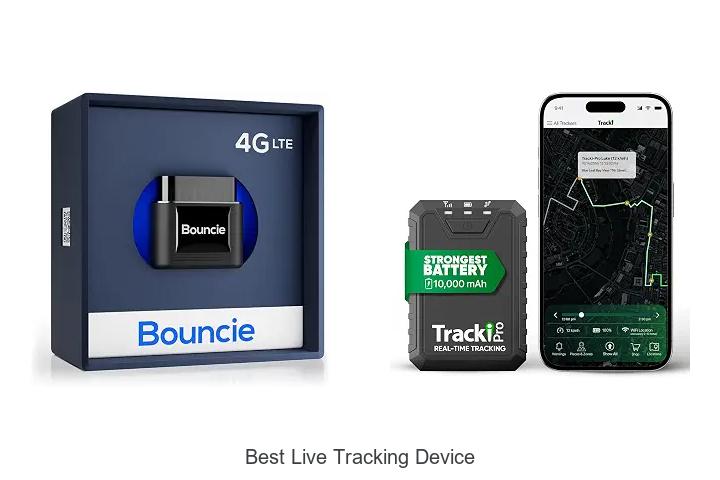
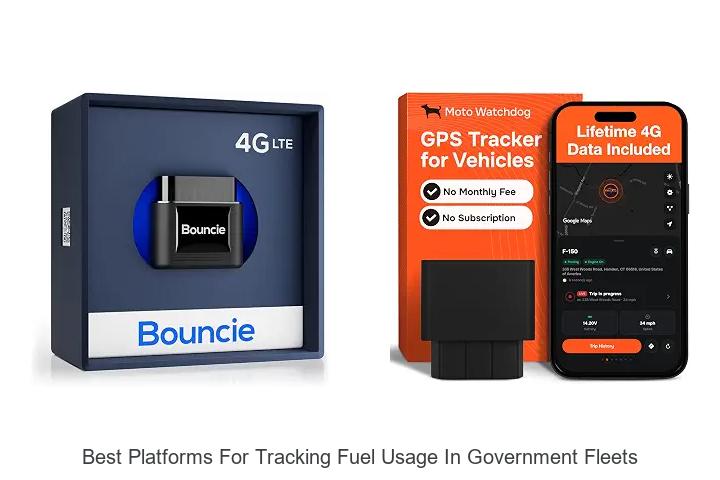
Managing fleet vehicles becomes much simpler with a real-time GPS tracker that updates location every five seconds. It offers detailed trip histories and driving insights, helping fleets improve safety and efficiency. This GPS tracker plugs into the vehicle’s OBD2 port, providing comprehensive data on speed, acceleration, braking, and idle time.
Alerts for unsafe driving habits make it easier to coach drivers and reduce risk on the road. The device also monitors engine health, notifying users of maintenance needs before breakdowns occur. Geo-fencing lets users receive alerts when vehicles enter or leave set locations, adding security.
Impact detection sends immediate notifications in case of accidents. Installation is straightforward, requiring no batteries, and it works on most vehicles made after 1996. The tracker connects via 4G LTE and supports Android, iOS, and desktop browsers.
Its unlimited data retention ensures access to past trips without limits. Overall, this tracker suits government fleets seeking a reliable, easy-to-use system with valuable insights into vehicle usage and safety.
Pros
- Real-time updates every 5 seconds
- Unlimited trip and route history
- Monitors vehicle engine health
Cons
- Requires monthly subscription
- Only for vehicles 1996 and newer
- May need cellular coverage for best use
Who Should Buy It?
Ideal for government fleet managers wanting detailed driving data and maintenance alerts. Perfect for fleets needing geo-fencing and accident detection features in one device.
Key Specifications
| Specification | Details |
|---|---|
| Brand | Bouncie |
| Special Features | Route History, Speed Monitoring, Driving Insights, Geo-Fence, Accident Notifications |
| Connectivity Technology | 4G LTE Cellular |
| Built-In Media | OBD2, Telematics, GPS, 4G LTE |
| Data Retention | Unlimited |
| Updates Frequency | Every 5 seconds |
| Compatibility | Android, Apple iOS, Desktop Browser |
| Service Plan | $9.65 monthly subscription, cancel anytime |
| Alert Types | Unsafe driving alerts, geo-fence alerts, accident detection notifications |
| Unit Count | 1 Count |
| Warranty | Lifetime-limited |
The device’s use of 4G LTE cellular connectivity ensures real-time tracking and prompt alerts throughout North America. The built-in OBD2 interface means it draws diagnostic and driving data directly from the vehicle, eliminating the need for batteries. Compatibility with Android, iOS, and desktop browsers allows easy access for diverse users. Data retention is unlimited, so fleets can keep historical records indefinitely. Frequent updates every five seconds provide precise vehicle locations, critical for managing active fleets and ensuring driver safety.
These specifications greatly improve efficiency and safety in everyday fleet operations. Real-time updates help dispatchers make swift decisions, while alerts notify managers about unsafe driving or accidents immediately. Unlimited data storage supports long-term analysis of driving habits and vehicle health. Easy installation and no battery requirements lower downtime and maintenance. Government fleets benefit from detailed monitoring features, reducing risks and optimizing vehicle use. The monthly subscription offers flexibility without long contracts, suitable for agencies needing straightforward deployment.
2. GPS Tracker for Vehicles
Tracking a vehicle fleet without subscriptions or hidden fees is a rare convenience. This GPS Tracker for Vehicles stands out with its plug-and-play setup and no extra monthly costs.
The device uses 4G cellular connectivity to provide real-time location updates and alerts, ideal for government fleet managers who need reliable and accurate monitoring. Its OBD connection allows quick installation in under three minutes without professional help.
The device offers key features like customizable geofencing, mileage tracking, and anti-theft alerts, making it a practical tool for managing multiple vehicles on a single app interface. Its compatibility with smartphones and personal computers simplifies monitoring on the go.
With a discreet plastic build and one-day battery life when off the OBD power, it delivers convenience without complicated installation. This model suits those prioritizing cost-effective, precise tracking with fast setup and no ongoing charges.
Pros
- No subscription or activation fees required
- Quick plug-and-play installation under three minutes
- Real-time tracking with customizable alerts
Cons
- Battery lasts only 1 day if not powered by OBD
- Plastic enclosure might feel less durable
- No built-in media beyond basic battery
Who Should Buy It?
Ideal for government fleet managers seeking budget-friendly tracking without monthly fees. Suited for those needing simple installation and real-time location updates for multiple vehicles using one app.
Key Specifications
| Specification | Details |
|---|---|
| Brand | Moto Watchdog |
| Special Features | Alert Notification, Anti-Theft, Geo-Fence, Location History, Real Time Tracking |
| Connectivity Technology | Cellular |
| Built-In Media | Battery |
| Unit Count | 1 |
| Warranty | 1 Year |
The specifications highlight critical features for practical fleet management. Cellular connectivity ensures the device transmits location data reliably across wide areas. Special features like geo-fencing and alert notifications provide instant updates on vehicle movement or unauthorized activity. The built-in battery allows temporary operation away from OBD power, thanks to its 200mAh capacity. The single device unit count reflects its use per vehicle, while compatibility with smartphones and PCs allows seamless monitoring. The warranty period of one year offers standard coverage for defects.
In everyday use, 4G cellular tech delivers fast, accurate location updates crucial for time-sensitive fleet activities. The alert system helps deter theft and manage fleet compliance, adding security and control benefits. The simple plug-in setup minimizes downtime and technical hassle. Although battery life is limited when unplugged, most government vehicles have constant power through OBD ports. The lightweight plastic casing supports portability but may require careful handling. Overall, these specs cater best to organizations needing reliable, low-maintenance tracking solutions without subscription costs.
3. VyncsFleet 4G LTE OBD GPS Tracker
Government fleet managers need a reliable and feature-rich GPS tracking solution. VyncsFleet 4G LTE OBD GPS Tracker offers real-time tracking and detailed vehicle diagnostics without monthly fees. This tracker plugs into the vehicle’s OBD port and provides live updates every three minutes, with options for even more frequent updates.
It includes a free one-year data plan with a built-in SIM card, supporting coverage across 220+ countries. Key features include fuel cost tracking, driver behavior alerts, custom maintenance scheduling, and downloadable reports.
It supports unlimited vehicles per account and allows multiple sub-fleet managers to access controlled data. The device operates without a battery, drawing power directly from the vehicle. VyncsFleet offers a web dashboard and mobile apps for convenient access.
With detailed trip data, idle time reports, and emission tracking, it is a robust tool for managing government fleets. The build is compact and lightweight, making installation simple. This product is ideal for agencies seeking a premium, all-in-one solution with no ongoing monthly fees beyond the included data plan.
Pros
- No monthly fee for first year
- Comprehensive vehicle diagnostics
- Supports unlimited vehicles per account
Cons
- Activation fee required upfront
- Renewal fee applies after one year
- Requires OBD port for installation
Who Should Buy It?
This tracker is tailored for government fleet managers needing detailed, reliable tracking. It suits fleets requiring real-time data, fuel reports, and driver safety monitoring without ongoing monthly fees during the first year.
Key Specifications
| Specification | Details |
|---|---|
| Brand | Vyncs |
| Special Features | 4G LTE Cat M1+Cat NB1+EGPRS OBD Wireless Global device, Custom Maintenance Schedule, Driver Alerts, Trips on Map, Location, Data Retention: Unlimited |
| Connectivity Technology | 4G LTE |
| Built-In Media | 1 Built-in SIM, 1 OBD GPS VyncsFleet Tracker, 1 Quick Setup Guide |
| Data Retention | Unlimited |
| Updates Frequency | Real-time three minutes GPS with up to 15 seconds updates available |
| Compatibility | Personal Computer, Android/iOS apps |
| Service Plan | 1 year free data plan included, renewal required after 1 year |
| Alert Types | Driver speeding/braking/rapid acceleration alerts by Push Notification/Email |
| Unit Count | 1 |
The VyncsFleet GPS tracker connects via a 4G LTE network using built-in SIM, enabling live vehicle updates every three minutes. The OBD port installation makes it easy to tap into vehicle diagnostics such as fuel level and engine status. With unlimited data retention, fleet managers can store extensive trip and vehicle history. Compatibility with PCs and mobile apps provides convenient, flexible access to real-time and historical data, helping simplify fuel usage monitoring and maintenance planning.
Frequent GPS updates and global 4G LTE coverage ensure accurate and timely tracking across multiple regions. Driver behavior alerts promote safety by notifying managers of speeding or harsh driving events immediately. The device’s lightweight, battery-free design means minimal maintenance and easy setup inside vehicles. These features benefit government fleets requiring comprehensive oversight with minimal hassle and ongoing fees limited to after the first year of service.
4. Advanced GPS Vehicle Tracker System

Protecting vehicles against theft while monitoring fuel use is a top priority. The Advanced GPS Vehicle Tracker System offers robust theft prevention features alongside real-time tracking. It enables remote engine cut-off via SMS commands, stopping the vehicle if stolen and helping secure government fleets.
This tracker supports both 2G and 4G networks and requires a SIM card for operation. Key features include over-speed alarms, GEO-fencing, motion alarms, real-time location tracking, and historical playback. The device is housed in durable ABS plastic with waterproofing.
It connects to an intuitive app and web platform without monthly fees, reducing costs. Remote controls and intelligent alerts aid fleet managers in efficient supervision and theft prevention.
Its compatibility with various vehicles and global network support makes it highly versatile. The system suits organizations focusing on security and cost control while enhancing fleet fuel management. Setup may require some technical knowledge due to SIM card integration, but the comprehensive features and no-subscription model offer excellent long-term value.
Pros
- Remote engine cut-off for theft prevention
- No monthly fees, free app and platform
- Supports 2G and 4G global networks
Cons
- Requires SIM card purchase and setup
- No warranty on physical or water damage
- Battery life of only about 1 hour
Who Should Buy It?
Ideal for government fleets needing strong theft prevention. Useful for managers wanting detailed fuel usage data without recurring fees. Best for fleets in areas with 2G/4G coverage and who can handle SIM card setup.
Key Specifications
| Specification | Details |
|---|---|
| Brand | LMHSDTK |
| Special Features | Alert Notification, Audio Monitoring, Geo-Fence, Location History, Real Time Tracking |
| Connectivity Technology | Cellular |
| Supported Application | Web Search |
| Material | Acrylonitrile Butadiene Styrene (ABS) |
| Unit Count | 1 Count |
| Number of Packs | 1 |
| Number of Items | 1 |
| Model Number | 4G GT06 |
| Mfr Part Number | 2g gt06 |
| Additional Features | Alert Notification, Audio Monitoring, Geo-Fence, Location History, Real Time Tracking |
| Battery Average Life | 1 hours |
| Compatible Devices | Personal Computer, Smartphone, Tablet |
| Enclosure Material | Acrylonitrile Butadiene Styrene (ABS) |
The cellular connectivity of this GPS tracker enables real-time tracking globally when paired with a SIM card. It supports 2G and 4G networks which broadens coverage options for various locations. The device’s ability to send alert notifications and provide audio monitoring enhances monitoring capabilities. The rugged ABS plastic case ensures resistance to everyday wear and minor impacts. Its compatibility with PCs, smartphones, and tablets allows ease of use across different platforms, making it convenient for fleet managers to stay updated remotely on vehicle status and fuel usage.
The 1-hour battery life implies the device is primarily powered via the vehicle’s onboard system, which reduces downtime concerns for large fleets. Features like GEO-fencing and historical location playback improve route oversight and can alert users instantly to unauthorized movement. The absence of monthly fees thanks to the free app and web platform cuts operating costs for government agencies. While set-up requires a SIM card purchase, the compatibility with multiple languages and platforms benefits operators managing diverse vehicle types in various regions.
5. Fleet Fuel Record Log Book

Tracking fuel usage manually is simple with this well-organized log book. It offers a straightforward approach for fleet managers who prefer paper records over digital tools. The book contains 110 pages designed to record fuel usage and costs precisely.
Its 6 by 9-inch size makes it convenient to carry and use in vehicles or offices. The layout allows easy logging of essential data such as mileage, fuel quantity, and expenses. The book’s structure suits government fleets needing a basic tool without complex software.
Its lightweight and compact design supports everyday use and transport. As a printed record, it avoids potential digital security risks. This log book suits fleets with limited tech resources or smaller scales.
The clarity and simplicity help maintain accurate fuel records and monitor expenses. While it lacks connectivity or alerts, it meets fundamental tracking needs.
It’s ideal for fleet managers focused on solid, no-frills tracking. Overall, this record book is a practical, low-tech solution for managing fuel data efficiently and reliably.
Pros
- Clear, simple fuel and cost tracking
- Compact and portable 6 x 9-inch size
- 110 pages of detailed logging space
Cons
- No digital connectivity features
- Lacks automatic data updates or alerts
- Limited to basic manual record keeping
Who Should Buy It?
Ideal for government fleets needing basic fuel tracking without complex software. Best for smaller fleets or managers preferring physical records over digital tools.
Key Specifications
| Specification | Details |
|---|---|
| Brand | Independently published |
| Special Features | Fuel usage and cost tracking log |
| Connectivity Technology | None |
| Built-In Media | None |
| Data Retention | Physical log maintained by user |
| Updates Frequency | Manual updates per entry |
| Compatibility | Paper log for universal use |
| Service Plan | None |
| Alert Types | None |
| Unit Count | 110 pages |
| Warranty | None |
The specifications highlight a basic, manual fuel tracking system contained in a physical record book. Without digital connectivity or built-in media, all entries must be made by hand. The 110-page count provides ample space for writing detailed fuel usage and cost information. Data retention depends entirely on how carefully users maintain the book. The compact 6 x 9-inch format ensures portability and ease of use in various environments. No service plans or warranties are included since it is a simple standalone product.
These specs result in a straightforward tracking tool that does not rely on technology. This makes it durable against digital failures and useful where devices may be impractical. The manual update system means accuracy depends on user diligence. It suits fleet managers who prefer tangible records or have minimal tech access. Its lightweight design supports easy transport, and the absence of alerts or software makes it low maintenance. Overall, these features accommodate basic but reliable fuel expense monitoring.
6. Vehicle Fuel Log Book

Keeping track of fuel consumption and mileage is vital for fleet management, especially in government operations. This log book offers a straightforward and physical solution for tracking these details without reliance on digital tools. The Vehicle Fuel Log Book measures 8.5 by 11 inches, providing ample space to record fuel usage, mileage, fuel expenses, maintenance notes, and trip records over 120 pages.
Crafted by an independent publisher, it serves as a manual aid for organizing vehicle data efficiently. The book’s layout focuses on ease of writing and quick reference, helping users maintain detailed logs accurately. Made with standard paper quality and weighing just over 13 ounces, it is portable enough for use in various vehicle compartments.
While lacking digital connectivity, it is ideal for fleets preferring written logs or those with limited technological access. This log book suits administrators and fleet managers who want to maintain clear, concise records in a tangible format. Overall, it provides a reliable, no-frills method for documenting vehicle fuel and mileage data.
Pros
- Large writing space for detailed logs
- Includes fuel, maintenance, and trip tracking
- Portable and lightweight for easy use
Cons
- No digital or automated data entry
- Limited to manual record keeping
- Paper format can be lost or damaged
Who Should Buy It?
Ideal for fleet managers preferring manual tracking or those operating in low-tech environments. Useful for maintaining physical records and ensuring a tangible log for fuel and maintenance details.
Key Specifications
| Specification | Details |
|---|---|
| Brand | Independently published |
| Print length | 120 pages |
| Item Weight | 13.1 ounces |
| Dimensions | 8.5 x 0.28 x 11 inches |
| Language | English |
| Publication date | December 18, 2025 |
The 8.5 by 11 inches dimension offers a spacious layout for comfortable writing and clear record keeping. With 120 pages, users have enough room to keep detailed logs over an extended period. The book’s weight at just over 13 ounces makes it easy to carry within a vehicle. Published in English, it is accessible to a broad user base. These specifications make the log book a practical tool for capturing vital fleet information consistently without relying on electronic devices.
Without any digital connectivity or updates, this log book functions entirely as a manual tool. This limits its use but offers stability and no risk of data loss from software failures. Its sturdy paperback build supports frequent handling, benefiting users who prefer physical copies. Ideal for agencies or managers unable to use computerized fuel tracking, it helps maintain organized and accessible records, which are crucial for accountability and budgeting in government fleet management.
7. PT30 ELD Device for Trucks and Commercial Vehicles

Tracking vehicle engine data accurately helps fleet managers monitor fuel use and maintenance needs. The PT30 ELD Device connects directly to trucks for reliable data capture and easy integration.
It features a simple installation process tailored for commercial vehicles, enabling swift setup without complex wiring. Bluetooth connectivity allows the device to communicate wirelessly with mobile apps, streamlining data access and logging. Its 5-inch screen offers clear visibility of key information.
The device complies with DOT Hours of Service and FMCSA regulations, making it suitable for fleets that require legal logging and data retention. The corded electric power source ensures stable operation during long-haul trips.
The PT30 balances functionality and straightforward handling, ideal for fleet managers who want dependable engine data tracking without additional frills. This device suits government fleets seeking a compliant, no-nonsense ELD solution for basic engine and vehicle data monitoring.
Pros
- Easy installation for compatible vehicles
- Bluetooth enables wireless data transfer
- Compliant with DOT and FMCSA standards
Cons
- Limited to Android 4.0 operating system
- No built-in media or advanced features
- Compatibility limited to specific vehicle types
Who Should Buy It?
Ideal for government fleets needing straightforward electronic logging. Best for operators prioritizing compliance and basic engine data over advanced analytics or multimedia features.
Key Specifications
| Specification | Details |
|---|---|
| Brand | Generic |
| Special Features | DOT HOS Compliant ELD, FMCSA-Compliant Electronic Logging Device with Bluetooth |
| Connectivity Technology | Bluetooth |
| Built-In Media | None |
| Power Source | Corded Electric |
| Operating System | Android 4.0 |
| Screen Size | 5 inches |
| Automotive Fit Type | Vehicle Specific Fit |
| Included Components | PT30 Device and cable |
| Number of Items | 1 |
| Number of Packs | 1 |
The device’s Bluetooth connectivity supports easy wireless communication with mobile devices and compatible ELD applications. Its 5-inch screen size provides clear, readable data display for drivers and fleet managers. The power source is corded electric, ensuring constant power without battery reliance. The unit is designed for vehicle-specific fits, ensuring compatibility with designated truck and commercial vehicle models and simplifying installation.
Operating on Android 4.0, the device supports essential ELD software functionalities, although it may not handle newer apps requiring more recent operating systems. The lack of built-in media limits multimedia use, focusing the device solely on data logging and engine connection. This setup benefits fleets needing reliable data tracking with minimal setup and complexity, especially those prioritizing compliance and straightforward use over advanced data analytics.
8. OBD GPS Tracker for Vehicles

Government fleets need reliable tools for ELD compliance and vehicle monitoring. This OBD GPS Tracker excels with no subscription fees and straightforward plug-and-play setup. It connects via 4G LTE with an included SIM and data, allowing live tracking through a dedicated app or web dashboard.
The tracker plugs directly into the OBD-II port, using vehicle power and requiring no charging or wiring. Alerts for speeding, geofence breaches, and device disconnection add security layers. Detailed trip histories cover up to 180 days, making it useful for compliance and operational review.
The device supports management of multiple vehicles in one account with global coverage across 170+ countries. Constructed with durable ABS plastic and metal, its compact design fits discreetly in most cars, SUVs, and trucks. This tracker offers solid value for agencies seeking cost-effective oversight without ongoing fees.
It is especially suited for fleet managers prioritizing real-time monitoring and compliance verification across multiple vehicles.
Pros
- No monthly fee or subscription required
- Plug-and-play OBD-II installation
- Real-time tracking with 5-second updates
Cons
- Coverage depends on local cellular network
- Limited to vehicles with OBD-II ports
- Alerts might require app monitoring
Who Should Buy It?
Ideal for government fleet managers needing ELD compliance tools without recurring fees. Best suited for agencies managing multiple vehicles requiring real-time location updates and detailed trip history. Suitable for cars, trucks, and SUVs with OBD-II compatibility, and fleets operating across North America and other covered regions.
Key Specifications
| Specification | Details |
|---|---|
| Brand | VITALGLOW |
| Special Features | Alert Notification, Anti-Theft, Geo-Fence, Location History, Real Time Tracking |
| Connectivity Technology | 4G LTE |
| Built-In Media | GPS Tracker Device, USB Cable, User Manual |
| Data Retention | 180-Day Trip History |
| Updates Frequency | 5-Second Real-Time Tracking |
| Compatibility | Cars, Motorcycles, SUVs, Trucks, Vans |
| Service Plan | No Monthly Fee, SIM and Data Included |
| Alert Types | Speeding, Vehicle Movement, Geofence Entry/Exit, Device Disconnection |
| Unit Count | 1 Count |
| Warranty | 1 year warranty |
This OBD GPS Tracker connects through 4G LTE with a SIM and data plan included at purchase, meaning users avoid monthly subscription fees. It plugs directly into a vehicle’s OBD-II port, drawing power without battery needs or external wiring. Real-time tracking updates every 5 seconds while the vehicle moves and stores trip histories for up to 180 days. Alerts notify users of speed, geofence changes, and device removal, increasing security and monitoring effectiveness. Compatible with various vehicle types, it suits a wide range of fleet applications.
The tracker’s easy setup and no-charge, no-subscription model simplify fleet management by reducing ongoing costs. Its global 4G coverage benefits fleets operating in multiple regions, while supporting management of numerous devices through one account interface. The compact, durable design withstands daily use and installation challenges. These features make it particularly useful for fleets needing compliance data and security notifications without complex installation or recurring bills.
9. Mileage and Fuel Log Book

Tracking vehicle mileage and fuel consumption without relying on digital devices appeals to many users. This log book provides a simple solution for keeping detailed records by hand.
The Mileage And Fuel Log Book allows users to record both personal and business vehicle mileage as well as fuel use manually on paper. With 110 pages, it offers ample space to track trips, fuel stops, and expenses over time.
The compact size makes it easy to keep in vehicles without adding bulk. Its printed format means there is no need for subscriptions or technological setup. Users can update logs anytime, regardless of connectivity or device compatibility.
The straightforward layout is designed for ease of use, making it accessible to those uncomfortable with digital apps. This log book suits drivers who prefer a physical record or organizations seeking a no-subscription option for documenting fleet usage.
Overall, it offers a reliable, low-tech way to keep thorough mileage and fuel records over time, ensuring clear tracking and budgeting for vehicle operations.
Pros
- No subscription or digital connection needed
- Compact and easy to carry
- Simple and straightforward logging system
Cons
- No automated data collection
- Manual entry can be time-consuming
- Limited to one vehicle per book
Who Should Buy It?
This log book is ideal for drivers or fleet managers who prefer paper records. It suits those avoiding digital tracking systems or subscription fees, and anyone needing a clear, manual method to record fuel and mileage data consistently.
Key Specifications
| Specification | Details |
|---|---|
| Brand | Independently published |
| Special Features | No subscription required, manual record keeping |
| Connectivity Technology | None |
| Built-In Media | Paper pages |
| Data Retention | 110 pages |
| Updates Frequency | Manual updates as needed |
| Compatibility | Universal for any vehicle |
| Unit Count | 1 book |
| Print Length | 110 pages |
| Dimensions | 6 x 0.25 x 9 inches |
| Item Weight | 7.8 ounces |
The Mileage And Fuel Log Book features 110 pages designed for handwritten tracking of mileage and fuel records. Its compact dimensions of 6 by 9 inches make it easy to store in glove compartments or vehicle consoles. The lack of digital or connectivity requirements means all entries are made manually, offering versatility for any vehicle type without depending on electronic compatibility. The book weighs just under 8 ounces, making it lightweight and transportable for daily use. This straightforward approach relies on traditional record keeping rather than electronic data capture.
These specifications indicate a durable, low-maintenance recording solution that does not rely on software updates or internet connections. Users benefit from the simplicity of paper logging, allowing flexible entry times without device dependence. The physical size and weight provide comfort in using and carrying the log book regularly. This format particularly benefits drivers or fleet managers who prefer tangible, easy-to-reference documentation and value the autonomy of manual record maintenance without ongoing service plans.
10. GPS Tracker for Vehicles 1 Pack

Managing fuel usage and vehicle health is simpler with this GPS tracking system that offers real-time insights and alerts. It combines precise location tracking with comprehensive fuel consumption reporting tailored for government fleets and similar operations.
The device supports vehicles made after 1996, including electric and hybrid models, making it versatile across different fleet types. Key features include idling detection, speeding alerts, trip history, and engine diagnostics accessed through a user-friendly app. Build quality is compact and durable, fitting discreetly in vehicles.
Real-time alerts like geo-fencing and harsh driving notifications help maintain safety and efficiency. The $15 monthly subscription includes cellular service and app access without long-term commitments. Setting up the tracker is straightforward, ideal for fleet managers needing immediate deployment.
This system offers excellent value for those tracking numerous vehicles and aiming to reduce fuel waste and maintenance costs. It suits government fleet operators, transport managers, and businesses looking for transparent, low-fee GPS monitoring with reliable data on fuel and vehicle status.
Pros
- Includes idling and speeding alerts
- Accurate real-time location tracking
- Supports multiple vehicle types
Cons
- Requires monthly subscription
- Single unit pack limits bulk discounts
- Needs OBD port for full diagnostics
Who Should Buy It?
Government fleet managers or businesses wanting consistent fuel monitoring will benefit the most. It suits operations needing real-time alerts and vehicle diagnostics, especially fleets with mixed vehicle types.
Key Specifications
| Specification | Details |
|---|---|
| Brand | All Aware |
| Special Features | Alert Notification, Geo-Fence, Idling Reports and Notifications, Location History, Real Time Tracking |
| Connectivity Technology | 4G LTE |
| Built-In Media | SIM Card |
| Supported Application | Email, Push Notifications, Text Messaging |
| Specific Uses For Product | Company Vehicle Tracking, Fuel Reporting, Vehicle Dispatch |
| Unit Count | 1 Count |
| Warranty | 1 Year Warranty |
The device uses a 4G LTE connection with a built-in SIM card, enabling consistent and reliable data transmission for real-time tracking and alert notifications. It supports email, push, and text notifications so fleet managers receive immediate updates about vehicle status. Features like geo-fencing, idling reports, and historical location tracking provide a comprehensive overview of fleet activity. Designed for use with company vehicles, it offers specialized functionality for fuel reporting and dispatch management within one compact unit compatible with multiple platforms.
These specifications ensure the device delivers accurate and timely information to improve fleet efficiency and safety. The 4G LTE connectivity maintains fast communication even in remote areas. Its compatibility with common communication methods ensures alerts are received promptly. By providing detailed reports and live tracking, the system supports proactive maintenance and fuel usage monitoring. This setup benefits businesses and government fleets aiming to optimize vehicle operations with minimal setup complexity and reliable ongoing service.
Top Platforms to Effortlessly Track Fuel Usage in Government Fleets
Understanding your fleet’s specific needs
Effective management tools must seamlessly integrate with a variety of vehicle types and fuel sources to provide accurate data across an entire government fleet. Larger fleets often require systems capable of handling high data volumes and supporting numerous users, while smaller fleets benefit from simpler interfaces with essential features.
Additionally, the ability to connect with existing telematics and maintenance software ensures a streamlined workflow, reducing manual input errors and saving valuable time.
| Fleet Size & Type | Fuel Consumption Patterns | Vehicle & Fuel Variety |
|---|---|---|
| Small to Medium Fleets: Basic reporting and essential integrations Large Fleets: Scalable systems with advanced analytics | Frequent short trips require real-time tracking Long-haul or mixed usage needs detailed trend analysis | Gasoline, diesel, electric, hybrid vehicles Supports multiple fuel sources for comprehensive monitoring |
Ensuring that platforms offer wide-ranging compatibility and the ability to grow alongside changing fleet demands provides government operators with reliable insights, improved fuel efficiency, and long-term cost savings.
Key features to look for in fuel tracking platforms
Real-time fuel monitoring and reporting are essential for maintaining accurate and up-to-date insights into fuel consumption across government fleets. Platforms that seamlessly integrate with vehicle telematics and GPS systems streamline data collection, allowing managers to correlate fuel usage with specific routes and driving behaviors. This integration not only improves accuracy but also enables automated alerts for any discrepancies or potential fuel theft, ensuring swift responses to irregularities.
This integration not only improves accuracy but also enables automated alerts for any discrepancies or potential fuel theft, ensuring swift responses to irregularities. As fleets grow or adopt new technologies, the ability to connect effortlessly with additional devices and support expanding data needs becomes crucial for maintaining operational efficiency and security.
Data management and reporting capabilities
Systems offering customizable dashboards and advanced data visualization tools enable fleet managers to quickly interpret fuel consumption patterns and identify areas for improvement. It’s essential that these platforms provide flexible export options, allowing seamless integration with existing government databases and software, which helps maintain consistency and streamlines workflow. Additionally, the ability to generate reports at various frequencies and detail levels ensures that stakeholders receive timely, relevant insights tailored to their specific operational needs, enhancing overall decision-making efficiency.
Ease of use and deployment
Reliable integration with existing systems and the ability to support additional devices are critical factors in ensuring seamless operation and future-proofing fleet management solutions. A platform that offers multiple options for data transfer—such as wireless networks, Bluetooth, or cellular connections—allows for flexible installation across diverse vehicle types and locations. This versatility reduces downtime and simplifies deployment, which is especially important for government fleets that operate on tight schedules and require consistent monitoring.
Moreover, scalability plays a crucial role in accommodating the growth of a fleet or adapting to evolving technological needs. Systems designed with modular hardware and software components enable easy upgrades and the addition of new features without extensive overhauls.
| Aspect | Benefits | Potential Challenges |
|---|---|---|
| System Integration Options | Supports existing infrastructure; reduces complexity | Compatibility issues if limited protocols are supported |
| Support for Additional Devices | Allows growth and feature enhancements | May require additional configuration effort |
| Flexible Data Transfer Methods | Enables installation in various environments | Security concerns if using unsecured channels |
Security and compliance considerations
Seamless integration with existing systems and the ability to support additional devices or modules in the future are crucial features in fleet fuel monitoring solutions. Platforms that offer reliable network compatibility ensure real-time data transmission, minimizing delays and inaccuracies. Equally important is the availability of multiple communication options such as cellular, Wi-Fi, or satellite, which help maintain uninterrupted data flow across diverse operational environments.
Equally important is the availability of multiple communication options such as cellular, Wi-Fi, or satellite, which help maintain uninterrupted data flow across diverse operational environments.
The flexibility to expand system capabilities without costly overhauls allows fleets to adapt to changing needs, such as incorporating more vehicles or adding new data analytics tools. Scalability also means the solution can grow alongside advancements in technology and evolving reporting requirements. Ensuring these aspects are robust guarantees a sustainable investment that continues to deliver accurate, comprehensive insights into fuel usage over time.
Cost and vendor support
Modern fuel management tools for government fleets must offer seamless integration with existing systems and the ability to grow alongside evolving operational demands. Platforms that easily connect with multiple sensors, telematics devices, and data sources help ensure accurate fuel tracking without complicated manual inputs.
Additionally, scalability is crucial to accommodate expanding fleet sizes or new types of vehicles without requiring a complete overhaul of the system.
Strong system interoperability prevents data silos and supports unified reporting, which simplifies fleet oversight and decision-making. Flexible expansion capabilities also mean that updates and enhancements can be incorporated smoothly, preserving long-term usability and maximizing return on investment.
How Long Fuel Tracking Systems Last
Fuel tracking platforms for government fleets are built to last several years. Most systems have durable hardware and software that can handle daily use.
Hardware devices like sensors or fuel cards typically last between 3 to 7 years depending on usage and environment. Software platforms often receive updates that keep them running smoothly well beyond that.
Knowing when to replace these systems helps avoid downtime and inaccurate tracking. Signs it may be time to replace include frequent errors, outdated technology, or lack of support from the provider.
Proper maintenance also extends the life of these systems. Regularly clean physical sensors and update software to prevent problems.
Here are some tips on when to think about replacing fuel tracking equipment:
- System frequently malfunctions or fails to record data correctly.
- Manufacturer stops providing updates or technical support.
- Hardware shows physical damage or wear due to harsh conditions.
- New technology offers significant improvements in accuracy or features.
- Increased fleet size requires more scalable solutions.
Replacing fuel tracking systems on time ensures efficient fleet management. Keeping track of device condition and software updates will help maintain accurate fuel usage data for government fleets.
FAQ’s
What Are The Top Platforms Available For Tracking Fuel Usage In Government Fleets?
Top platforms for tracking fuel usage in government fleets include Geotab, Samsara, and Fleetmatics, which offer real-time data and comprehensive reporting. These tools help optimize fuel efficiency, reduce costs, and improve overall fleet management.
How Do Fuel Tracking Platforms Help Improve Efficiency In Government Fleet Management?
Fuel tracking platforms improve efficiency in government fleet management by providing real-time data on fuel consumption and vehicle usage, allowing for better monitoring and cost control. This enables agencies to identify inefficiencies, reduce fuel waste, and optimize route planning for enhanced operational performance.
What Features Should Government Agencies Look For In A Fuel Tracking Platform?
Government agencies should look for a fuel tracking platform that offers real-time monitoring, accurate reporting, and integration with existing systems for efficient fuel management and accountability. Additionally, features like fraud detection, automated alerts, and comprehensive audit trails are essential to ensure transparency and cost control.
How Do Fuel Usage Tracking Systems Integrate With Existing Government Fleet Management Software?
Fuel usage tracking systems integrate with existing government fleet management software through APIs or data import/export functions, allowing seamless synchronization of fuel consumption data. This integration enables real-time monitoring, reporting, and analysis to optimize fuel efficiency and reduce operational costs.
What Are The Cost Benefits Of Using Fuel Tracking Platforms For Government Fleets?
Fuel tracking platforms help government fleets reduce fuel consumption and lower operational costs through real-time monitoring and efficient route management. Additionally, they enhance transparency and accountability, minimizing fuel theft and misuse.
Final Verdict
The GPS Tracker for Vehicles stands out as the best overall choice and also offers great value, making it suitable for government fleet managers who want reliable fuel usage tracking without overspending. For those seeking advanced functionality and faster connectivity, the VyncsFleet 4G LTE OBD GPS Tracker provides premium features that justify the higher investment. Meanwhile, the Advanced GPS Vehicle Tracker System is ideal for agencies prioritizing theft prevention alongside fuel monitoring, offering added security benefits.
Each option caters to different needs, ensuring there is a fitting solution within the best platforms for tracking fuel usage in government fleets. Your selection should align with your specific priorities, whether that’s balancing cost and functionality, investing in the latest technology, or enhancing fleet security.
Select the product that best aligns with your fleet’s needs between budget-friendly tracking, premium features, or theft prevention capabilities.