Unlock Ultimate Engine Power with Best Oil for Car Now!
Engine viscosity, thermal stability, and additive technology play critical roles in maintaining optimal engine performance and longevity. Selecting the best oil for car engines requires a deep understanding of these factors, as well as compatibility with specific engine types and operating conditions.
With advancements in synthetic and semi-synthetic formulations, the market offers a myriad of options tailored to different driving needs and mechanical specifications. Choosing the right oil is more than a routine maintenance task; it’s a crucial decision that directly impacts engine reliability and durability.
Delving into the nuances of motor oil can reveal surprising insights that every vehicle owner should consider.
Unlocking Maximum Engine Performance: Top Choices for Keeping Your Ride Running Smoothly
| Image | Product | Price |
|---|---|---|
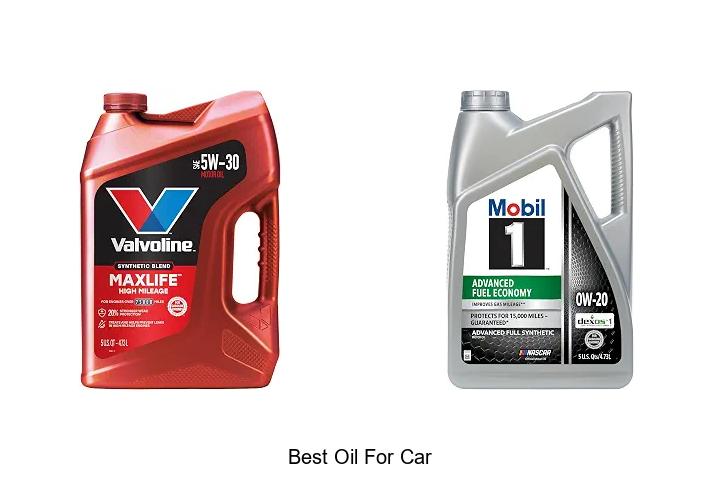
Pick 1  | Valvoline MaxLife 5W-30 Synthetic Blend Motor Oil 5 Quart | Check Price On Amazon |
Pick 2  | Mobil 1 Advanced Fuel Economy Motor Oil 0W-20 5 Quart | Check Price On Amazon |
Pick 3  | Castrol EDGE 0W-20 Full Synthetic Motor Oil | Check Price On Amazon |
1. Valvoline MaxLife 5W-30 Synthetic Blend Motor Oil 5 Quart
Engineered specifically for vehicles surpassing 75,000 miles, Valvoline MaxLife 5W-30 Synthetic Blend Motor Oil offers superior protection and performance. This advanced formula helps extend engine life by reducing leaks and minimizing oil consumption, making it an ideal choice for high-mileage cars in need of reliable lubrication and care.
Featuring seal conditioners that combat oil leaks and advanced additives delivering 20% better wear protection, this motor oil excels in safeguarding engines against friction, corrosion, and sludge buildup. It exceeds rigorous industry standards including ILSAC GF-7A and API SP, providing enhanced fuel efficiency and dependable performance for both aging and rebuilt engines.
Pros
- Formulated with seal conditioners to prevent oil leaks and reduce oil consumption
- Provides 20% better wear protection and 15% improved sludge defense than industry standards
- Compatible with high mileage, new, and rebuilt engines, enhancing overall performance and fuel efficiency
Cons
- As a synthetic blend, it may not offer the full synthetic benefits some users expect from premium oils
Valvoline MaxLife 5W-30 stands out as a top-tier, high-mileage motor oil option that combines advanced protection with proven standards compliance. Ideal for vehicles with significant mileage, it balances cost and performance effectively, making it a smart choice over fully synthetic alternatives for many drivers.
2. Mobil 1 Advanced Fuel Economy Motor Oil 0W-20 5 Quart
Mobil 1 Advanced Fuel Economy Motor Oil 0W-20 delivers exceptional engine protection while enhancing fuel efficiency. Ideal for drivers seeking reliable performance, it supports improved gas mileage and engine longevity, making it an excellent choice for both conventional and hybrid vehicles.
Formulated with a triple-action synthetic blend, this 5-quart motor oil combats sludge buildup and maintains cleaner engines for up to 15,000 miles between oil changes. Its advanced additives help increase engine efficiency while ensuring smooth engine operation and reduced wear under extreme conditions.
Pros
- Promotes improved gas mileage to maximize fuel economy.
- Provides up to 15,000 miles of guaranteed engine protection.
- Contains additives specifically designed to combat sludge and deposits.
Cons
- Priced slightly higher compared to conventional motor oils.
Overall, Mobil 1 Advanced Fuel Economy Motor Oil offers superior engine protection and fuel efficiency, standing out among synthetic oils for modern vehicles. Its long-lasting formula is particularly advantageous for those looking to reduce maintenance visits without compromising performance.
3. Castrol EDGE 0W-20 Full Synthetic Motor Oil
Experience unmatched engine protection with Castrol EDGE 0W-20 Full Synthetic Motor Oil, engineered for drivers demanding peak performance and longevity. Its advanced formula strengthens engine components under extreme stress, making it an ideal choice for maximizing vehicle efficiency and durability.
Crafted to outperform conventional oils, this full synthetic motor oil offers 3 times stronger film strength and delivers up to 20,000 miles between oil changes. It surpasses rigorous industry standards including API SQ/SP/SN PLUS and ILSAC GF-7, ensuring reliable lubrication and resistance to viscosity breakdown even under high load conditions.
Pros
- Exceptional wear protection with 3X stronger synthetic film strength
- Extended oil change intervals up to 20,000 miles or one year
- Meets or exceeds multiple OEM specifications including GM dexos1 Gen 3 and Ford WSS-M2C947-B1
Cons
- Price point slightly higher compared to some conventional oils
Castrol EDGE 0W-20 stands out as a reliable, high-performance motor oil that supports engine health and extends service intervals. When compared to other synthetics in its class, it offers superior durability under stress, making it a worthy investment for those seeking the best oil for their car.
4. Valvoline Full Synthetic SAE 0W-20 Motor Oil 5 QT

Valvoline Full Synthetic SAE 0W-20 Motor Oil 5 QT offers advanced engine protection designed to enhance performance and longevity. With superior wear, deposit, and heat defense, this motor oil ensures your vehicle runs smoothly under varied driving conditions while promoting fuel efficiency and engine cleanliness.
Engineered to tackle the four primary causes of engine breakdown—wear, friction, heat, and deposits—this fully synthetic motor oil delivers 40% stronger wear protection and 15% better deposit defense compared to industry standards. It also provides up to 5 times greater heat resistance, maintaining optimal engine condition even in extreme temperatures and cold starts.
Pros
- Provides 40% stronger wear protection for extended engine life
- Reduces friction and improves fuel economy with advanced formulation
- Offers 15% better deposit defense to keep engines cleaner and running smoothly
- Delivers up to 2.5X better heat protection to prevent sludge and thermal breakdown
- Excellent low-temperature flow reduces metal-to-metal contact during cold starts
- Meets or exceeds multiple industry and manufacturer standards including ILSAC GF-7A and API SP
Cons
- Premium synthetic oil priced higher than conventional alternatives
Valvoline’s Full Synthetic SAE 0W-20 Motor Oil balances high-level protection and performance, making it a top choice for drivers seeking durability and efficiency. While slightly more expensive than conventional oils, its benefits in wear reduction and engine cleanliness offer excellent long-term value.
It stands out compared to standard oils by combining superior heat resistance and deposit control for enhanced engine reliability.
5. Castrol GTX High Mileage 5W-30 Motor Oil 5 Quart

Experience enhanced engine performance and longevity with Castrol GTX High Mileage 5W-30 Motor Oil. Specially crafted for vehicles with over 75,000 miles, this synthetic formula provides superior protection against wear, sludge, and leaks, making it an excellent choice for maintaining your car’s health and efficiency.
This motor oil features Phosphorus Replacement Technology to help extend emission system life and advanced seal conditioners that reduce leaks. Its superior dispersancy fights sludge build-up while exceptional oil burn-off protection exceeds industry standards.
Pros
- Advanced additives reduce engine wear and extend engine life
- Exceptional sludge control and oil burn-off protection according to industry standards
- Seal conditioners help minimize leaks in older engines
Cons
- Price point may be higher compared to conventional oils, though justified by performance benefits
Offering a balance of innovation and reliability, Castrol GTX High Mileage 5W-30 stands out as a premium motor oil option for aging vehicles. It not only protects the engine but also supports better fuel efficiency, making it a smart investment for drivers seeking long-term value.
6. Mobil 1 High Mileage Full Synthetic Motor Oil 0W-20

Mobil 1 High Mileage Full Synthetic Motor Oil 0W-20 is engineered to deliver superior protection for vehicles with over 75,000 miles. Designed to maintain engine performance and extend engine life, it offers enhanced lubrication and protection to keep older engines running smoothly and efficiently.
This premium motor oil features advanced additives that combat sludge buildup and condition engine seals, ensuring longer-lasting engine components. Guaranteed to provide protection for up to 15,000 miles per oil change, it offers convenience and peace of mind for drivers seeking reliable high mileage oil solutions.
Pros
- Specifically formulated for engines with 75,000+ miles to extend engine life.
- Includes seal conditioners that help prevent leaks common in older engines.
- Provides robust sludge prevention to maintain engine cleanliness and performance.
Cons
- Price is slightly higher compared to conventional motor oils.
Offering excellent engine protection and extended mileage intervals, Mobil 1 High Mileage Full Synthetic Motor Oil stands out as a top choice for aging vehicles. Its advanced formulation supports engine longevity better than many conventional oils, making it a worthwhile investment for maintaining high mileage cars.
7. Castrol GTX Full Synthetic 0W-20 Motor Oil

Experience superior engine protection with Castrol GTX Full Synthetic 0W-20 Motor Oil, engineered to deliver unmatched performance and extend your vehicle’s life. Designed for modern engines, it ensures optimal lubrication under extreme conditions while maximizing fuel efficiency and minimizing wear.
Formulated to provide 6 times better wear protection and 3 times improved sludge protection than industry standards, this full synthetic oil offers robust defense against engine deterioration. It maintains viscosity strength three times better than leading competitors and supports 10,000 miles between oil changes, making it a reliable choice for every driver.
Pros
- Advanced wear and sludge protection surpassing industry standards
- Extended oil change intervals up to 10,000 miles
- Compatibility with key certifications including API SP and ILSAC GF-6
Cons
- Price point slightly higher compared to conventional motor oils
Offering exceptional engine care and long-lasting performance, Castrol GTX Full Synthetic 0W-20 stands out as a top-tier motor oil. While slightly premium-priced, its protective qualities and extended intervals provide excellent value for drivers seeking dependable lubrication and efficiency.
8. Castrol GTX Full Synthetic 5W-30 Motor Oil

Experience superior engine protection and performance with Castrol GTX Full Synthetic 5W-30 Motor Oil. Engineered for advanced wear and sludge protection, it promises enhanced durability and smoother operation, making it an excellent choice for drivers seeking reliability and efficiency in every drive.
Designed to outperform industry standards, this motor oil delivers 6 times better wear protection, 3 times better sludge prevention, and maintains viscosity 3 times stronger under stress. Suitable for up to 10,000 miles between changes, it meets multiple certifications including API SP, ILSAC GF-7, and Ford specifications, ensuring top-tier engine care.
Pros
- Outstanding wear protection extends engine life and maintains critical parts
- Superior sludge control keeps the engine clean and running smoothly
- Long-lasting formula supports extended oil change intervals up to 10,000 miles
Cons
- Price slightly higher compared to conventional motor oils
Offering advanced synthetic formulation and proven performance benefits, Castrol GTX Full Synthetic 5W-30 stands out as a reliable choice for maintaining engine health and efficiency. Its blend of protection and longevity makes it competitive with other premium oils, giving drivers confidence and peace of mind on the road.
9. Castrol EDGE High Mileage 5W-30 Motor Oil 5 Quart

Experience superior engine protection and performance with Castrol EDGE High Mileage 5W-30 Motor Oil. Designed for vehicles with over 75,000 miles, this advanced synthetic formula strengthens engine parts, reduces oil burnoff, and extends the lifespan of your car’s emission system for confident, long-lasting drives.
Utilizing Phosphorus Replacement Technology, Castrol EDGE High Mileage minimizes leaks and power-robbing deposits while supporting up to 15,000 miles between oil changes. It meets rigorous industry standards including API SP/SN PLUS and ILSAC GF-6, ensuring compatibility with a wide range of vehicles and superior engine test performance.
Pros
- Reduces oil leaks and burnoff to maintain engine efficiency
- Extends oil change intervals up to 15,000 miles for convenience
- Meets multiple OEM specifications for broad vehicle compatibility
Cons
- Price slightly higher than conventional oils, reflecting premium synthetic quality
Castrol EDGE High Mileage 5W-30 offers advanced protection tailored for high-mileage vehicles, making it a top choice among synthetic motor oils. Its blend of performance and durability provides excellent value for drivers seeking to prolong engine life and optimize efficiency.
10. Pennzoil 5W-30 Motor Oil 1 Quart

Experience superior engine performance and protection with Pennzoil 5W-30 Motor Oil 1 Quart. Designed to maintain engine cleanliness and responsiveness, this motor oil is ideal for drivers seeking reliability and durability under various driving conditions.
Formulated to guard against wear and prevent harmful deposits, Pennzoil 5W-30 keeps engines running smoothly by blocking dirt and contaminants. Compatible with all conventional oils and engine seals, it suits a wide range of car, SUV, light van, and truck gasoline engines for consistent performance.
Pros
- Proven wear protection based on Sequence IVA wear test results
- Prevents dirt and contaminants from forming deposits that reduce engine efficiency
- Compatible with engine seals and works well with conventional oils for versatile use
Cons
- Available primarily in single-quart containers, which may require multiple purchases for larger oil changes
Offering excellent engine protection and cleanliness, Pennzoil 5W-30 Motor Oil stands out as a reliable choice for maintaining your vehicle’s performance. Compared to other motor oils, its proven wear protection and compatibility make it a smart selection for everyday drivers and automotive enthusiasts alike.
Unlock Peak Performance: Your Ultimate Guide to Choosing the Best Oil for Your Car
Understanding oil types
Engines require oils that not only lubricate effectively but also adapt to the vehicle’s specific needs and future modifications. Oils that offer compatibility with various engine designs and allow room for performance upgrades ensure long-term protection and efficiency.
This is especially critical for vehicles that may undergo enhancements or increased usage over time, as the oil must maintain its protective qualities under changing conditions.
| Oil Type | Key Features | Ideal Use |
|---|---|---|
| Conventional Oil | Basic lubrication, cost-effective | Everyday driving, older vehicles |
| Synthetic Oil | Enhanced performance, better temperature stability, longer intervals | High-performance engines, extreme temperatures |
| Synthetic Blend | Combination of synthetic and conventional, balanced cost and protection | Moderate engine stress, transitional option |
| High Mileage Oil | Formulated with additives to reduce leaks and wear | Vehicles with over 75,000 miles |
| Specialty Oils | Designed for specific engine needs, such as diesel or motorcycles | Unique engine types or conditions |
Understanding these distinctions ensures the chosen oil not only fits current engine requirements but also accommodates any future adjustments or demands, supporting longevity and optimal performance at every stage.
Viscosity ratings and their importance
Understanding SAE viscosity grades is crucial because they indicate how oil flows at different temperatures, directly impacting engine performance and protection. For example, oils labeled with a lower number like 5W perform better in colder climates by flowing more easily during startup, while higher numbers such as 30 or 40 provide thicker protection at operating temperatures. Temperature plays a significant role since oil thins out when heated and thickens when cold; using a viscosity unsuited to your environment can lead to inadequate lubrication or increased engine wear.
Choosing the appropriate viscosity ensures the oil maintains optimal thickness across the temperature range your engine experiences. This balance helps reduce friction, prevent sludge buildup, and promote fuel efficiency.
Engines designed for higher performance or those operating under severe conditions might require oils with multi-grade capabilities to handle varying thermal stresses. Consulting the manufacturer’s recommendations alongside climate considerations guarantees that the engine receives the protection it needs without compromising reliability or efficiency.
Manufacturer specifications and certifications
API and ILSAC certifications serve as crucial benchmarks for assessing oil quality and performance, ensuring the product meets rigorous industry standards for engine protection and efficiency. Oils that carry these certifications have undergone extensive testing to confirm their ability to reduce wear, control deposits, and improve fuel economy. Following the specific recommendations outlined by vehicle manufacturers is equally vital, as these guidelines are tailored to the engine’s design and operational needs, promoting longevity and optimal functioning.
OEM approved oils add another layer of assurance, indicating that the oil has been formally tested and endorsed by the original equipment manufacturer. Such approval guarantees compatibility with the engine’s components and adherence to proprietary performance requirements, which might not be covered by general certifications alone.
| Aspect | Why It Matters | Impact on Engine |
|---|---|---|
| API & ILSAC Certifications | Ensures compliance with industry quality and performance standards | Better protection against engine wear and improved fuel efficiency |
| Manufacturer Recommendations | Tailored specification based on engine design and operational needs | Prolongs engine life and maintains warranty compliance |
| OEM Approved Oils | Tested and validated by engine makers for compatibility | Optimizes engine performance and prevents potential damage |
Additives and performance enhancers
Modern motor oils often contain a blend of additives designed to improve engine performance and durability. Detergents play a crucial role by preventing the buildup of sludge and deposit formation, keeping engine parts clean and allowing them to function smoothly.
These additives not only help maintain engine cleanliness but also contribute significantly to prolonging its lifespan, ensuring consistent performance over time. Evaluating how these elements interact with your vehicle’s requirements can lead to a more efficient and reliable engine operation.
Oil change intervals and maintenance tips
Regular maintenance plays a crucial role in extending the life of your vehicle’s engine. Ensuring easy integration with your car’s requirements and future upgrades can make all the difference. The frequency at which an oil change is recommended typically depends on the oil’s formulation and the driving conditions.
For example, synthetic oils often allow for longer intervals between changes compared to conventional oils, which means fewer trips to the mechanic and potentially lower overall maintenance costs.
It’s important to recognize the signs indicating an oil change is due, such as unusual engine noises, reduced fuel efficiency, or a dark, gritty appearance of the oil on the dipstick. These indicators help prevent engine wear and maintain optimal performance. Additionally, understanding how the oil type influences the maintenance schedule helps align your vehicle’s health with the manufacturer’s recommendations.
| Oil Type | Recommended Change Interval | Maintenance Impact |
|---|---|---|
| Conventional Oil | 3,000 – 5,000 miles | More frequent changes, suitable for older engines |
| Synthetic Blend | 5,000 – 7,500 miles | Balanced protection with moderate intervals |
| Full Synthetic | 7,500 – 10,000+ miles | Extended intervals, enhanced engine protection |
- Recommended oil change frequency varies based on oil type and driving habits.
- Recognizing signs like engine noise or dirty oil helps avoid costly damage.
- Choosing an oil compatible with your vehicle supports smooth maintenance schedules.
Taking these factors into account ensures your engine remains well-protected while supporting any future adjustments or improvements you might make to your vehicle’s performance setup.
Price considerations and value
Understanding how well a product integrates with your vehicle’s existing systems and its ability to support future upgrades is crucial for optimal engine performance and maintenance ease. Oils that meet specific manufacturer standards and are compatible with advanced engine technologies ensure smoother operation and better protection against wear and tear. Additionally, options that offer room for additional additives or enhancements can extend the engine’s lifespan and improve efficiency over time.
Reliable sourcing plays a key role in guaranteeing the authenticity and effectiveness of the oil. Purchasing from authorized dealers or trusted retailers helps avoid counterfeit or substandard products that could potentially harm engine components. Always verify product packaging and certifications to ensure you’re getting a formula that truly aligns with your vehicle’s needs.
FAQ’s
What Are The Different Types Of Motor Oils Available For Cars?The main types of motor oils available for cars are conventional, synthetic, synthetic blend, and high-mileage oils. Each type offers varying levels of protection, performance, and suitability for different driving conditions.
How Do I Choose The Best Oil For My Car’S Engine?To choose the best oil for your car’s engine, consult your vehicle’s owner manual for the recommended oil type and viscosity. Additionally, consider factors like driving conditions and climate, and opt for high-quality oils that meet industry standards.
What Is The Difference Between Synthetic And Conventional Motor Oils?Synthetic motor oils are engineered with uniform molecules for enhanced performance and protection, while conventional motor oils are derived from refined crude oil with naturally occurring variations. Synthetic oils typically offer better stability, longevity, and resistance to extreme temperatures compared to conventional oils.
How Often Should I Change The Oil In My Car?You should typically change your car’s oil every 5,000 to 7,500 miles, but it’s best to follow the manufacturer’s recommendations in your owner’s manual. Factors like driving conditions and oil type can also affect the ideal oil change interval.
Can Using The Wrong Type Of Oil Harm My Car’S Engine?Yes, using the wrong type of oil can harm your car’s engine by causing insufficient lubrication, increased wear, and potential overheating. It’s important to use the oil type recommended by your vehicle manufacturer to ensure optimal engine performance and longevity.
Conclusion
Choosing the best oil for your car depends on factors like your vehicle’s make, model, and driving conditions. Synthetic oils generally offer superior protection and performance, while conventional oils are more budget-friendly. Always refer to your owner’s manual and consider high-quality brands to ensure optimal engine health and longevity.
Regular oil changes with the right oil keep your car running smoothly.